
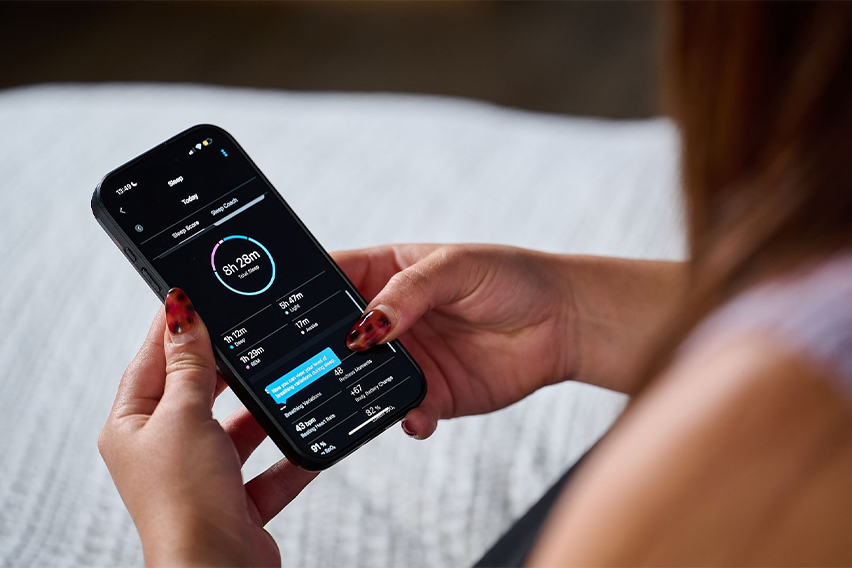
Most sleep devices do one of two things: they either track your sleep or they try to improve it. Very few do both well.
That distinction matters more than most people realize. If your main problem is not knowing how you slept, a wearable tracker can be useful. But if your real problem is waking up hot, tossing around at night, getting jolted awake in the morning, or feeling like your sleep is never actually restorative, then data alone usually is not enough. In those cases, the best sleep device is often the one that changes your sleep environment, not just the one that gives you a nice-looking graph the next day.
For most people, the best device for tracking and improving sleep in 2026 is Eight Sleep Pod. It is one of the few mainstream products that combines non-wearable sleep tracking with active heating and cooling, automatic overnight adjustments, dual-zone control for couples, and a setup that works with your existing mattress. That makes it more useful than a standard tracker for people who want to feel a real difference in their sleep, not just measure it.
That said, the “best” device depends on what you need. If you mostly want sleep insights, Oura Ring 4 is one of the cleanest and most wearable options. If you are very training-focused, WHOOP still makes a strong case. If bedtime routine is the real problem, Hatch Restore 3 can be more helpful than another biometric device. And if you want a smartwatch that handles sleep alongside everything else, Apple Watch is still one of the most practical all-rounders.
Quick picks
- Best overall: Eight Sleep Pod
- Best wearable tracker: Oura Ring 4
- Best for athletes: WHOOP
- Best bedside sleep improver: Hatch Restore 3
- Best smartwatch for sleep: Apple Watch
- Best for hot sleepers: Eight Sleep Pod
Best devices for tracking and improving sleep at a glance
Product | Type | Tracks sleep | Actively improves sleep | Best for |
Eight Sleep Pod | Smart sleep system | Yes | Yes | Best overall |
Oura Ring 4 | Smart ring | Yes | No | Best wearable tracker |
WHOOP | Recovery wearable | Yes | No | Best for athletes |
Hatch Restore 3 | Bedside sleep clock | Limited | Yes | Best for routines |
Apple Watch | Smartwatch | Yes | Partly | Best all-purpose smartwatch |
Our verdict
If you want one product that covers both sides of the equation, Eight Sleep Pod is the best device for tracking and improving sleep in 2026. It tracks your sleep without needing a ring or watch, and it actively changes bed temperature through the night, which is one of the most meaningful ways a device can improve sleep quality in real life. The current Pod 5 lineup also emphasizes dual-zone cooling and heating, vibration and thermal alarms, automatic adjustments based on sleep-related signals, and compatibility with almost any mattress.
If you mainly want sleep data, Oura Ring 4 is the cleaner pick. If you want performance-oriented recovery metrics, WHOOP is more focused. If you need better bedtime and wake-up habits, Hatch Restore 3 is often more helpful than a wearable. And if you want sleep tracking built into something you already wear every day, Apple Watch remains a very strong all-around option.
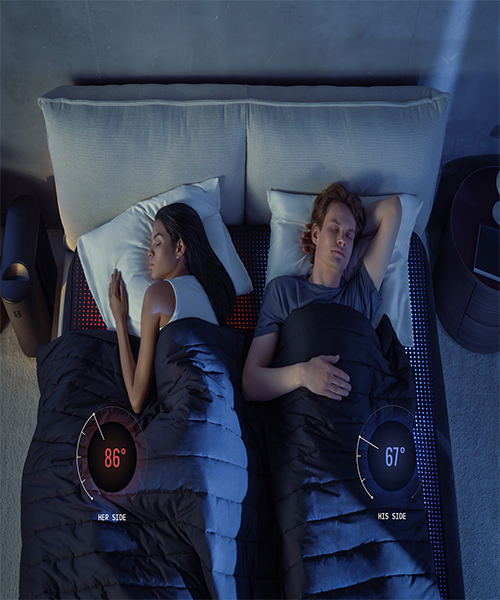
Eight Sleep Pod gets the top spot because it solves the biggest weakness of most sleep gadgets: they tell you what happened, but they do not do much about it. Eight Sleep is different because it combines sleep tracking with active bed cooling and heating. The current product pages highlight dual-zone temperature control, automatic overnight adjustments, vibration and thermal alarms, and the fact that the cover can be added to almost any mattress. The company also says the system tracks your sleep and adapts automatically so you do not have to keep making manual changes.
That combination matters because temperature is one of the few sleep variables people can actually feel in the middle of the night. If you keep waking up hot, or if you and your partner want totally different bed temperatures, a wearable is not going to fix that. Eight Sleep might. The brand also continues to position the Pod around deeper sleep, faster sleep onset, and recovery-related improvements, though those are company claims and should be read that way.
What I like
- Tracks sleep without requiring a wearable
- Actively cools and heats each side of the bed
- Works with an existing mattress
- Dual-zone setup is genuinely useful for couples
- Feels more practical than most sleep trackers because it changes the environment, not just the dashboard
What could be better
- Expensive
- Best fit for people who really care about sleep quality, not casual buyers
- More of a sleep system than a simple device
Best for
- Hot sleepers
- Couples
- People who want both tracking and real sleep intervention
- Buyers who do not want to sleep in a ring or watch
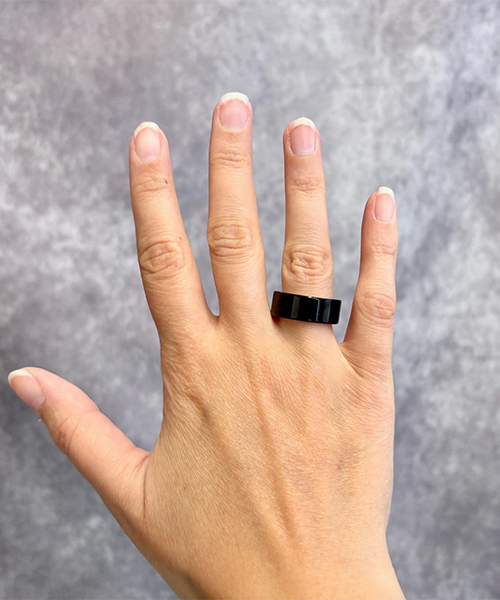
Oura Ring 4 is still one of the best devices for tracking sleep if you want something small, simple, and easy to live with. Oura’s current site positions the ring around sleep, fitness, stress, and wellness, and the core appeal has not changed: it gives you useful overnight data in a form factor that is much less annoying than wearing a watch to bed. The current store pages also describe Ring 4 as Oura’s advanced sleep, activity, and health tracking ring.
Where Oura falls short, at least in the context of this article, is that it does not directly improve your sleep conditions. It cannot cool the bed, guide your wind-down the way a bedside clock can, or physically change your sleep setup. What it can do very well is show you patterns. If stress, alcohol, inconsistent bedtimes, or hard training sessions are hurting your sleep, Oura is one of the most approachable ways to see that clearly over time.
What I like
- Very wearable overnight
- Strong fit for sleep and readiness tracking
- Simpler and less intrusive than a smartwatch
- Great for spotting patterns over time
What could be better
- Does not actively improve sleep conditions
- Better for awareness than direct sleep improvement
- Less helpful if your main problem is heat, noise, or bedtime routine
Best for
- People who want a sleep tracker they will actually wear
- Users focused on readiness and wellness insights
- Buyers who prefer a ring over a watch or strap
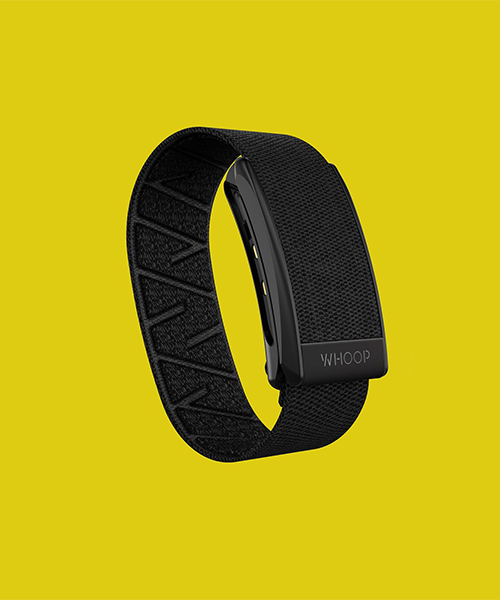
WHOOP still feels like the most recovery-focused wearable for athletes. The company’s current messaging centers on sleep, strain, and recovery, and its official sleep materials emphasize sleep performance, personalized coaching, and recovery-informed insights across current devices, including WHOOP 4.0, 5.0, and MG. The platform is clearly built for users who want to connect training load and recovery instead of treating sleep as a separate category.
That makes WHOOP especially useful if you are the kind of person who will actually change your training based on sleep and recovery data. If you are not that person, it can feel like a lot. WHOOP is excellent at tracking and interpreting sleep in a performance context, but it does not directly improve the sleep environment. It is a strong “understand your body” product, not a “make the bed better” product.
What I like
- Strong athlete and recovery identity
- Good sleep-performance framing
- Helpful for people who use recovery data to guide training
- More coaching-oriented than many general wellness trackers
What could be better
- Does not improve sleep conditions directly
- Can feel overly data-heavy for casual users
- Best value depends on whether you actually use the coaching and recovery insights
Best for
- Athletes
- Serious exercisers
- People who want sleep tracked in a recovery-and-training framework
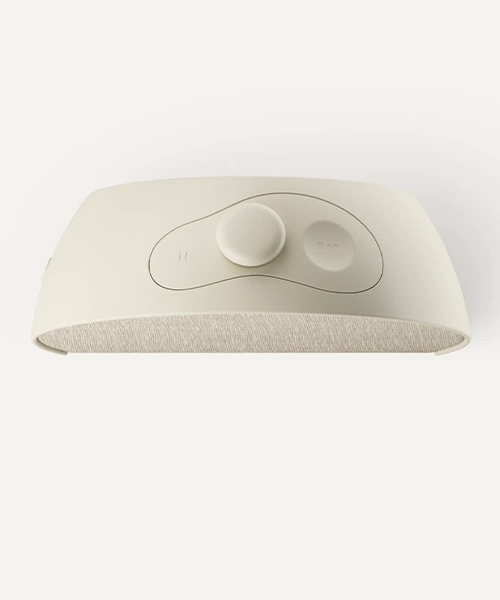
Hatch Restore 3 belongs in this list because a lot of sleep problems are not really biometric problems. They are routine problems. Too much screen time at night, inconsistent bedtimes, harsh alarms, and overly stimulating evenings can wreck sleep just as effectively as a bad mattress. Hatch positions Restore 3 as a smart sleep clock with soothing sleep sounds, a bedside reading lamp, personalized sleep routines, and a sunrise-style gentle wake-up. Its support materials also emphasize setup and phone-light features, including a more bedside-first, less phone-first experience.
Restore 3 is not a deep sleep tracker, and that is fine. It is here because it improves sleep in a more behavioral way. For someone whose real problem is bad bedtime hygiene, Restore 3 may do more than a smartwatch ever will. It is the best kind of sleep device for people who do not need another score — they need help winding down and waking up more gently.
What I like
- Helps create a more consistent bedtime routine
- Gentle wake-up is easier than a harsh alarm
- Feels less screen-dependent than app-heavy sleep tools
- More practical than people expect if habit is the real issue
What could be better
- Limited tracking compared with wearables
- Not ideal if you want detailed sleep-stage data
- More about behavior change than biometric insight
Best for
- People who struggle to wind down
- Anyone tired of waking up to an aggressive phone alarm
- Buyers who want sleep help without wearing anything
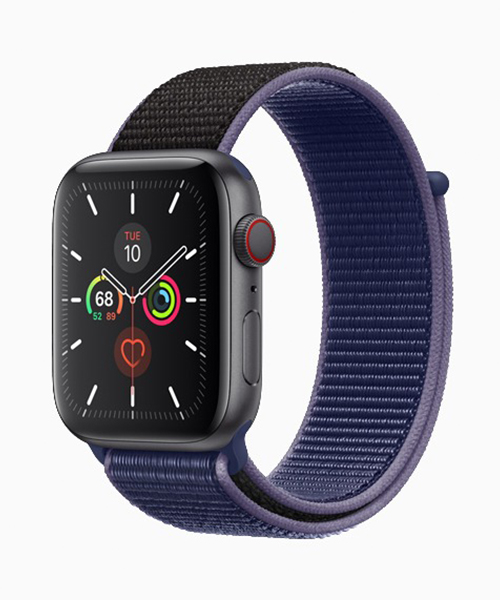
Apple Watch is not the best dedicated sleep device, but it may be the best sleep device for people who want one wearable to do everything. Apple’s support materials say the Sleep app can estimate time spent in REM, Core, and Deep sleep, show trends over time, and help you keep sleep schedules. Apple also now supports a sleep score in the Sleep app, and eligible models can provide sleep apnea notifications by looking for breathing disturbances during sleep.
The reason Apple Watch does not rank first here is simple: it is still more of a tracker than an improver. Yes, it can support routines with Sleep schedules and Wind Down, and yes, gentle alarms help. But it cannot transform the physical sleep environment the way a bed system can. Its advantage is convenience. If you already wear an Apple Watch, the barrier to using it for sleep is basically zero.
What I like
- Convenient if you already wear one every day
- Tracks sleep stages and trends
- Sleep score and sleep apnea notifications add more value than basic duration tracking
- Good balance between sleep features and everyday smartwatch use
What could be better
- Still mainly a tracker, not a true sleep-improvement device
- Some people do not like sleeping in a watch
- Less sleep-specialized than Oura or WHOOP
Best for
- Existing Apple Watch users
- People who want sleep tracking without buying another dedicated device
- Buyers who value convenience over specialization
What matters more: tracking sleep or improving it?
This is where most people make the wrong choice.
If you have no idea how stress, alcohol, training, or bedtime habits are affecting your sleep, a tracker makes sense. That is where Oura, WHOOP, and Apple Watch are strongest. They help you understand patterns, trends, and consistency.
But if you already know the problem is physical or environmental — especially overheating, poor bedtime routine, or partner-related sleep discomfort — then a tracker may just confirm what you already feel. In that case, a device that improves sleep conditions is usually more valuable. That is why Eight Sleep Pod and Hatch Restore 3 stand out. They do not just observe sleep; they try to make it better.
How I chose these picks
I gave the most weight to a few things:
- Whether the device tracks sleep accurately enough to be useful
- Whether it can actively improve sleep, not just measure it
- How realistic it is to use every night
- Whether it solves a real sleep problem for real people
- How clearly the product is positioned today by its own maker
That is also why this list mixes wearables, bedside devices, and bed-based systems. They all belong in the same conversation, but they are solving different versions of the same problem.
Who should buy what?
Choose Eight Sleep Pod if…
You want the rare product that both tracks sleep and actively improves the conditions that affect it.
Choose Oura Ring 4 if…
You want the best wearable balance of comfort, sleep insight, and everyday usability.
Choose WHOOP if…
You care about sleep mostly because you care about recovery, training, and performance.
Choose Hatch Restore 3 if…
Your real problem is poor bedtime routine, harsh wake-ups, or too much phone time at night.
Choose Apple Watch if…
You already wear one and want sleep tracking folded into a device you use for everything else.
FAQ
What device actually improves sleep, not just tracks it?
Eight Sleep Pod is one of the clearest examples because it actively heats and cools the bed while also tracking sleep. Hatch Restore 3 can also improve sleep in a different way by helping with routines and wake-ups.
Are non-wearable sleep trackers accurate enough?
They can be useful, especially if the goal is to spot patterns and improve sleep comfort without wearing a ring or watch. Eight Sleep positions its system as a non-wearable sleep tracker that also adjusts bed conditions automatically.
Is a smart bed better than a wearable for sleep improvement?
Usually yes, if the issue is environmental comfort. Wearables are better for measuring sleep. Smart bed systems are usually better for changing the conditions that affect sleep quality.
Is Apple Watch good enough for sleep tracking?
For many people, yes. It tracks sleep stages, shows trends, supports sleep scheduling, and now includes a sleep score in the Sleep app. It is especially strong if you already own one.
What is the best device for athletes who want better sleep?
WHOOP is one of the best fits for athletes because it places sleep inside a broader recovery and strain framework. Eight Sleep can also be compelling for athletes who want actual sleep-environment intervention, especially bed cooling.
Final verdict
The best device for tracking and improving sleep in 2026 is Eight Sleep Pod because it is one of the few products that genuinely does both. It tracks sleep without requiring a wearable, actively cools and heats the bed, adapts overnight, supports couples well, and works with an existing mattress. That is a much more complete answer to poor sleep than a device that only tells you what went wrong after the fact.
If you want the best wearable tracker, go with Oura Ring 4. If you want the best athlete-focused sleep and recovery device, choose WHOOP. If you want the best routine-building bedside device, Hatch Restore 3 is the smarter pick. And if you want sleep tracking in a device you already use every day, Apple Watch is hard to beat.
What do you think?