

Gordon Ramsay calling something “the Rolls-Royce of pans” is the kind of celebrity endorsement that usually means nothing about actual product quality. Celebrities endorse things for money constantly. The interesting thing about HexClad is that the endorsement happened to be roughly accurate, based on years of independent testing from multiple kitchen publications and long-term owner accounts.
Best for: Home cooks who want one cookware system that handles both searing and easy-release cooking without switching between dedicated stainless and dedicated nonstick pans. Particularly strong for cooks who use metal utensils regularly or want dishwasher convenience.
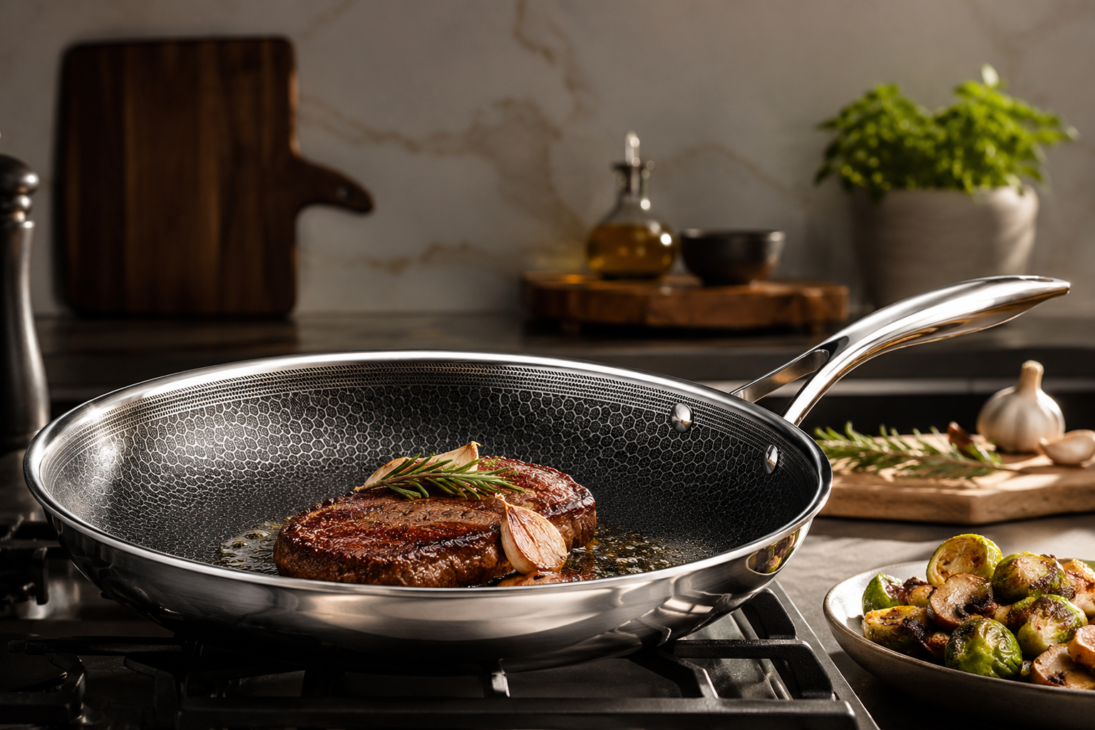
HexClad was founded with a specific engineering thesis: most home cooks want both the searing capability of stainless steel and the easy food release of nonstick, and switching between dedicated pans for different tasks is genuinely inconvenient. The solution was tri-ply construction — magnetic stainless steel, aluminum, and stainless steel — with a laser-etched hexagonal surface pattern where the raised peaks are stainless steel (for searing and metal utensil durability) and the recessed valleys hold a ceramic nonstick coating (for easy release).
The brand built significant visibility through Gordon Ramsay’s endorsement and partnership, plus extensive social media marketing that made it one of the most recognized cookware brands among younger home cooks specifically. The product line has expanded from the original hybrid pans into woks, Dutch ovens, griddles, knives, and accessories.
This is the central question and the evidence across multiple independent kitchen publications is consistently positive. The Kitchn’s testing team specifically describes the peaks (stainless steel) providing even heat distribution and a good sear, while the valleys (ceramic nonstick) handle the easy-release function — “based on our testing, we’re inclined to agree” with HexClad’s own claims about the design.
Taste of Home’s extended testing — months of firsthand testing across cookware, knives, and accessories — concludes that HexClad “lives up to the hype” after putting it through actual demanding use rather than a single test cook.
The Mayfair Foodie’s 14-month daily-use review, conducted with personally purchased pans (no affiliate relationship, no free product), provides perhaps the most credible independent assessment: genuine daily professional-adjacent use (food blogging, recipe development) over more than a year. The verdict holds up well within that documented use case, with the brand’s customer service specifically noted as responsive when a cosmetic issue arose.
The specific advantage HexClad offers over dedicated nonstick: real searing capability. Pure nonstick pans — ceramic or PTFE — can’t handle the sustained high heat that produces proper Maillard browning without degrading the coating. HexClad’s stainless steel peaks can handle that heat because they’re genuine stainless steel, not a coating.
The Kitchn’s comparison to pure stainless steel cookware is specific: “when compared with true stainless steel cookware, HexClad is just as durable and it has the advantage of being nonstick.” That’s a meaningful technical claim — durability comparable to stainless with nonstick convenience added.
This is where the review picture requires more nuance than the initial impressive testing suggests. Prudent Reviews’ detailed correspondence with HexClad customer service includes a specific documented account: a 12-inch hybrid pan owned for 8 months, used carefully (silicone and wood utensils only, hand washed, properly seasoned per instructions), showing nonstick wear and scratches between the hex pattern with food sticking in spots where it previously didn’t.
That’s a genuine documented durability concern from a careful user — not someone who abused the cookware with metal utensils and dishwasher cycles against recommendations. The valleys’ ceramic nonstick coating, while more durable than basic ceramic nonstick due to the hex pattern protection, is still ceramic — and ceramic coatings have inherent lifespan limitations regardless of brand engineering.
The counter-evidence is also real and substantial: a Trustpilot reviewer describes using HexClad cookware for a decade with continued satisfaction. Another describes five pieces developing peeling after “several years” of constant use — and the lifetime warranty covering the replacement without question once they discovered the warranty existed, even after assuming it had expired.
The pattern that emerges: HexClad’s stainless steel peaks are genuinely durable to the standard of real stainless steel. The ceramic nonstick valleys follow the same general lifespan pattern as ceramic nonstick generally — multi-year performance with proper care, eventual wear that the warranty addresses for legitimate manufacturing-related degradation.
This is one of HexClad’s most distinguishing strengths relative to competitors. Multiple long-term owners — not just one or two cherry-picked accounts — describe successful warranty claims years after purchase. One specific account describes learning about the lifetime warranty by chance at a Costco demonstration booth after assuming peeling pans (after years of use) were simply worn out — and having the warranty honored without difficulty.
The Prudent Reviews correspondence specifically tested this by emailing as a real customer with a genuine durability concern and received a response in about 6 minutes that was “honest about the hybrid’s strengths and limitations” — a notably different customer service experience than the AI-deflection patterns documented at several other DTC brands reviewed in this guide.
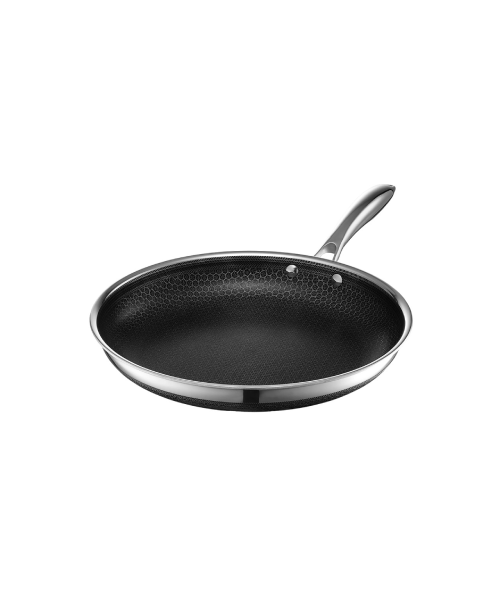
Best for: The single most versatile piece — large enough for searing proteins for a family, with the hybrid surface handling both high-heat and easy-release cooking tasks.
Top Features:
One Honest Drawback: At this price for a single pan, the investment requires confidence that the hybrid approach suits your cooking style before expanding to a full set.
Verdict: The right starting point. Multiple independent reviewers across publications specifically recommend starting with this size before deciding whether to expand the collection.
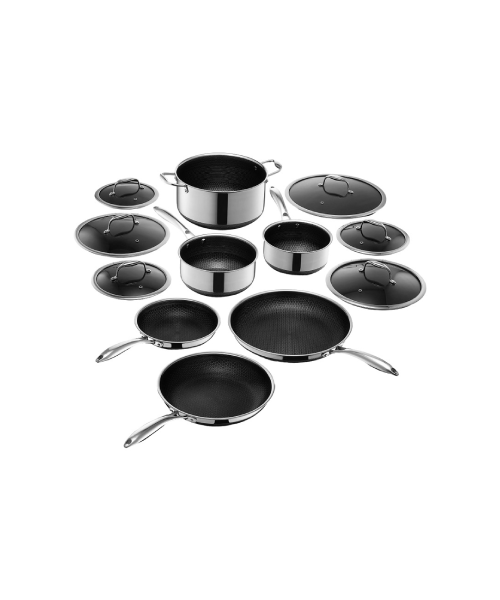
Best for: Buyers who’ve decided HexClad’s hybrid approach suits their cooking and want full kitchen coverage in one purchase.
Top Features:
One Honest Drawback: Full retail pricing is genuinely steep. Watch for sales — multiple buyers specifically mention buying during promotional periods at meaningfully reduced prices.
Verdict: A significant investment that multiple long-term reviewers across a decade of ownership describe as justified by durability and warranty support.
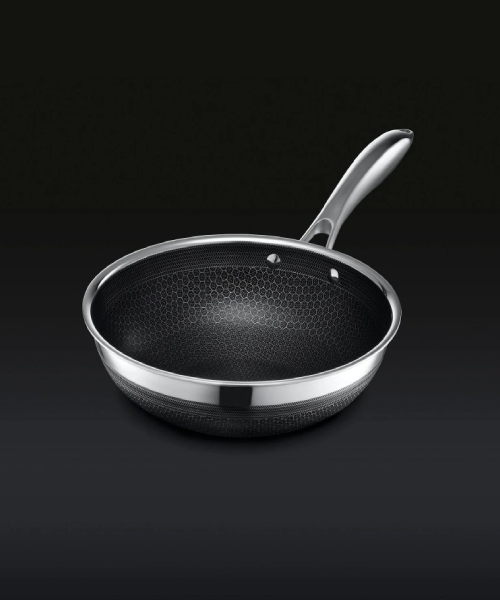
Best for: Stir-fry and high-heat Asian cooking specifically — the wok shape paired with the hybrid surface technology.
Top Features:
One Honest Drawback: A specialized shape — less versatile than the standard fry pan for everyday cooking tasks outside stir-fry applications.
Verdict: A strong addition for cooks who specifically do high-heat stir-fry cooking regularly. Not the first HexClad piece to buy if you’re starting from zero.
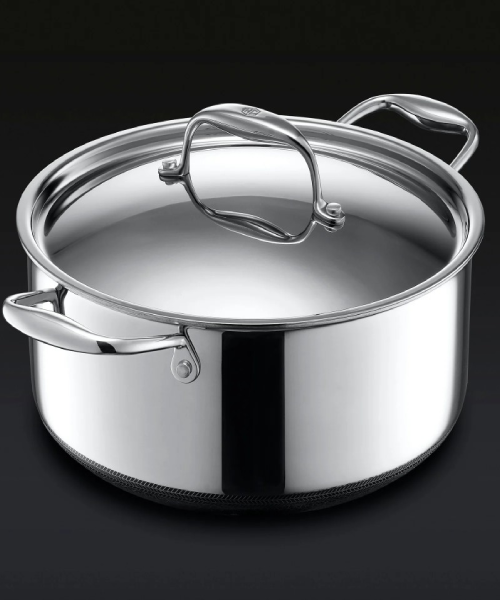
Best for: Braising, soups, and slow-cooked dishes where the hybrid surface’s easy-release matters for cleanup after long cooking sessions.
Top Features:
One Honest Drawback: Doesn’t have the heat retention advantage of true cast iron — the hybrid construction trades some heat retention for the easy-release and lighter weight benefits.
Verdict: A reasonable alternative to enameled cast iron for buyers who specifically want easier cleanup at the cost of some heat retention performance.
The Trustpilot review base (6,300+) and the extensive independent kitchen publication testing both point toward a consistent picture: genuine satisfaction from long-term owners, with warranty claims being a meaningfully positive part of the brand relationship rather than a source of frustration — which distinguishes HexClad from several other premium cookware and DTC brands where warranty claims generate documented frustration.
Real accounts paraphrased:
For cooks who want genuine versatility between searing and easy-release without switching pans constantly: yes — the hybrid technology genuinely works as described across extensive independent testing.
For cooks who already have and are happy with dedicated stainless and dedicated nonstick separately: the hybrid convenience may not justify the price premium over maintaining two separate cookware categories.
For buyers worried about long-term coating durability: the lifetime warranty is consistently and genuinely honored based on multiple independent long-term accounts, which meaningfully de-risks the purchase compared to brands where warranty claims are documented as difficult.
HexClad | Caraway | |
Searing capability | ✅ Genuine (stainless peaks) | ❌ No — ceramic only |
Metal utensil safe | ✅ Yes | ❌ No |
Dishwasher safe | ✅ Yes | ❌ Not recommended |
Warranty | ✅ Lifetime, well-honored | 1 year |
Price | Higher | Lower |
Best for | Versatility, durability | Aesthetic, gentle cooking |
HexClad’s celebrity-endorsement origin story made it easy to dismiss as a marketing-driven fad. The extensive independent testing — across The Kitchn, Taste of Home, multiple long-term personal-money reviewers, and genuine professional chef use — consistently validates the core hybrid technology claim. The peaks sear like stainless steel. The valleys release like nonstick. The lifetime warranty is genuinely honored.
The price is real and the eventual ceramic coating wear pattern is the same physics that applies to all ceramic nonstick, regardless of brand engineering sophistication. But within those honest parameters, HexClad delivers on what it promises in a way that a meaningful number of viral cookware brands don’t.
Category | Score |
Searing Performance | 9 / 10 |
Nonstick Performance | 8 / 10 |
Long-Term Durability | 7.5 / 10 |
Warranty Honored | 9.5 / 10 |
Versatility | 9 / 10 |
Value for Money | 7.5 / 10 |
Overall | 8.5 / 10 |