

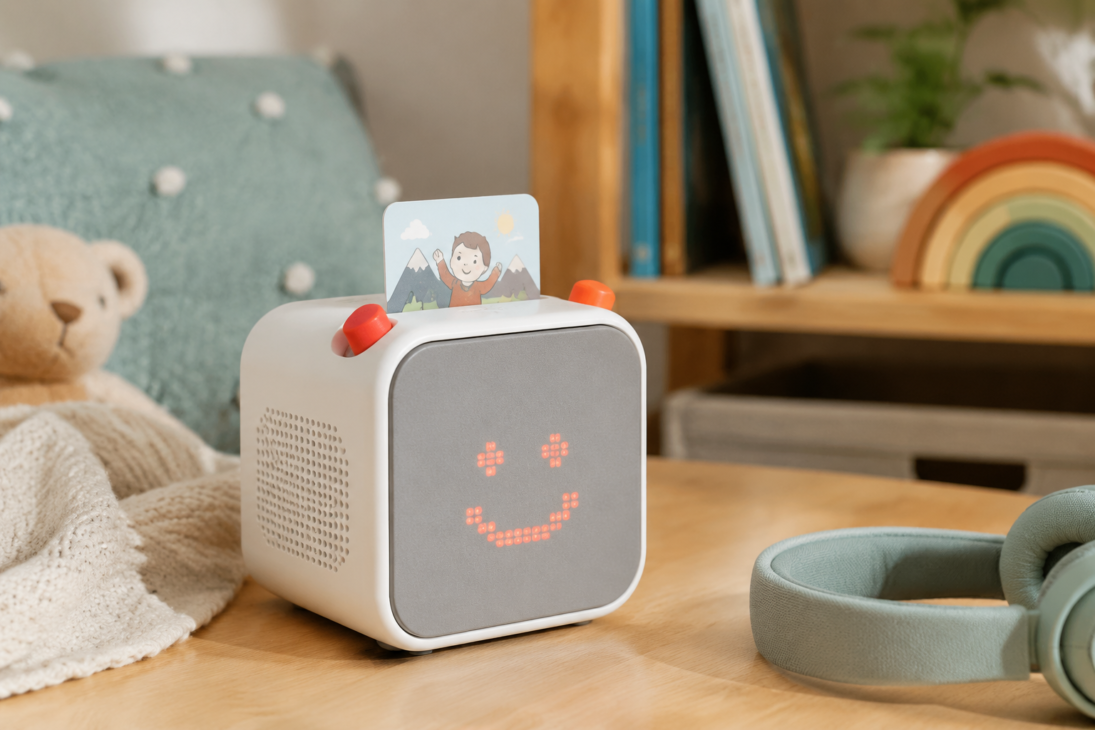
The screen-free kids audio category has become genuinely crowded — Toniebox, Yoto, and various competitors all chasing the same parental anxiety: how do you give children independence and entertainment without putting a screen in front of them
.
What distinguishes Yoto’s review pattern from most products in this category is the sheer length of the testimonials. Parents who bought a Yoto Player four years ago are still writing detailed, enthusiastic reviews — that’s a meaningfully different signal than initial-purchase excitement.
Best for: Families wanting genuine screen-free entertainment with real child independence, particularly households that will use the device daily as part of bedtime and daily routine structure rather than occasional novelty use.
Yoto is a UK-founded company started in 2015 by Ben Drury and Filip Denker, founded specifically out of concern for children’s development in an increasingly screen-dominated environment. The product is a physical audio player designed around Montessori principles — children insert credit-card-sized audio cards to play stories, music, and other content, with simple rotary knob controls for volume and navigation rather than touchscreen interaction.
The brand has built a substantial following (227,000+ Instagram followers cited in one review) and offers two primary device versions — the original Yoto Player for home base use and the more compact Yoto Mini for portability — both compatible with the same card library.
This is the feature that comes up most consistently and most specifically across long-term reviews. Once set up, the Yoto requires no app navigation for daily use — a child inserts a card, the content plays, the child controls volume and basic navigation through the physical knobs. Busy Busy Learning’s detailed review specifically frames this as the strongest argument for the device: “this independence alone makes the Yoto Player worth it” for many families.
A specific parent who’s owned a Yoto for four years (Aboderie’s detailed review) makes a strong recommendation specifically based on observed daily use: their children aged 7, 5, and 3 use the players “throughout the day from the moment they wake up to last thing at night.” That kind of integration into the actual rhythm of daily family life — not just occasional engagement — is the most reliable signal available that the product delivers genuine ongoing value rather than novelty appeal that fades.
The breadth of available content across the Yoto card system spans stories, music, podcasts, sleep sounds, and educational content with new releases dropping weekly (Thursdays specifically, per Busy Busy Learning’s detailed tracking). Two Mama Bears’ comparative review — which specifically tested Yoto against both Storypod and Toniebox for direct comparison purposes — concludes the Yoto stands out specifically for its breadth: “over 800 audio cards, a long battery life, an age range spanning 0-9+.”
The Make Your Own card feature deserves specific mention — it allows parents to upload personal audio content, meaning family members can record stories, messages, or custom playlists onto blank cards. This extends the device’s utility beyond the purchased card library into genuinely personal use cases.
The device functions as more than a pure audio player — it doubles as a night light with seven selectable colors, which one detailed reviewer specifically highlights as a feature that solved a real problem for a child who’d become afraid of the dark. That kind of incidental functionality discovered after purchase — rather than the primary marketed feature — speaks to thoughtful product design beyond the core audio function.
The Wi-Fi dependence is the most practically significant limitation, particularly affecting hotel and travel use where network access can be restricted or require complicated captive portal logins that a child’s audio player wasn’t designed to navigate. Thingtesting’s aggregated review specifically flags this as a documented friction point.
The app-based content management — adding cards to a child’s library, organizing playlists, setting up parental controls — is described by multiple reviewers as “clunky” compared to the elegant simplicity of the physical card interaction itself. This represents a genuine inconsistency in the product experience: beautifully simple for the child, more frustrating for the parent doing setup and management.
The rotary knob controls, while praised by some specifically for children with visual impairments (the tactile nature being easier to navigate than touchscreen interfaces), create a documented learning curve for some children initially — not every child intuitively understands the two-knob system (volume and navigation/skip) without some parental guidance during the first uses.
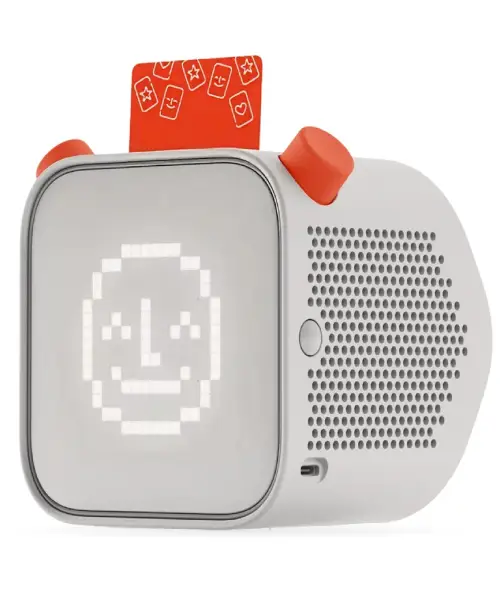
Best for: The primary home device for bedroom and bedtime routine use — the larger speaker and home-base positioning suit it for this specific role.
One Honest Drawback: Less portable than the Mini — designed for a stable home location rather than travel use
Verdict: The right choice for the primary bedroom/bedtime device. Many families specifically describe owning both this and a Mini for different use contexts.
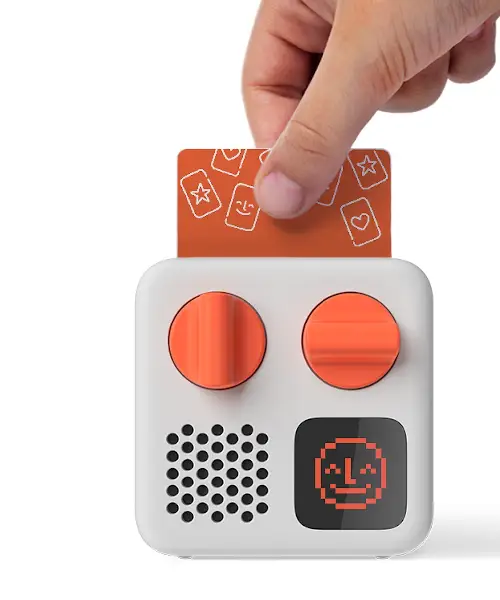
Best for: Travel, car rides, and portable use where the smaller form factor matters more than maximum sound quality.
One Honest Drawback: Smaller speaker means less impressive sound quality than the full Player — a reasonable trade-off for the portability gain
Verdict: The natural second purchase for families who’ve established that Yoto works for them and want the portability option for travel and outings.
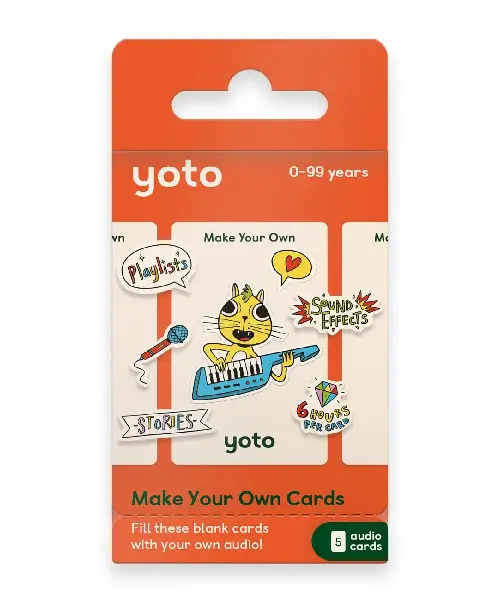
Best for: Families wanting to add personal, custom audio content beyond the purchased card library.
One Honest Drawback: Requires parental setup through the app, which carries the same “clunky” management experience documented for other Yoto content organization.
Verdict: One of the most distinctive and valuable features in the Yoto ecosystem. Worth using actively rather than relying purely on the commercial card library.

Best for: Families planning ongoing card purchases — frequent buyers of new releases or building out a larger library over time.
One Honest Drawback: Only delivers value proportional to how frequently you purchase new cards — infrequent buyers may not recoup the membership cost.
Verdict: Worth it specifically for families who’ve committed to Yoto as an ongoing part of their household media approach rather than a one-time purchase.
The consistent pattern across Thingtesting, multiple independent parenting blog reviews, and the brand’s own testimonial collection is genuine long-term engagement rather than initial-purchase enthusiasm that fades. Reviews written one, two, and four years after purchase consistently describe continued daily use — a meaningfully stronger signal than typical product reviews written shortly after purchase.
For families who will integrate it into daily routine rather than buying as an occasional novelty: yes — the volume of genuine multi-year reviews describing sustained daily use is the strongest available evidence that the product delivers ongoing value rather than fading appeal.
For families primarily seeking maximum portability and less concerned with home-base sound quality: consider starting with the Mini rather than the full Player.
Yoto | Toniebox | |
Interaction method | Insert physical cards | Place character figures on top |
Content library breadth | ✅ Larger (800+ cards) | Smaller, growing |
Custom content (Make Your Own) | ✅ Yes | Limited |
Age range | 0-9+ broader range | More toddler-focused |
Night light feature | ✅ Yes | No |
Portability | Mini version available | Single compact design |
Best for | Broader age range, more content variety | Very young children, simpler interaction |
Yoto delivers on its core promise of screen-free, independence-building audio entertainment in a way that’s validated by an unusually consistent pattern of multi-year ownership reviews — the strongest evidence available that a children’s product genuinely earns its place in daily family life rather than becoming an expensive shelf decoration.
The Wi-Fi dependence and app management friction are real, documented limitations worth knowing about. They don’t outweigh the consistent long-term family satisfaction pattern, but they’re worth factoring into realistic expectations.
Category | Score |
Content Library Depth | 9 / 10 |
Child Independence/Usability | 9.5 / 10 |
Build Quality | 8.5 / 10 |
Long-Term Engagement | 9.5 / 10 |
App/Content Management | 6.5 / 10 |
Value for Money | 8.5 / 10 |