

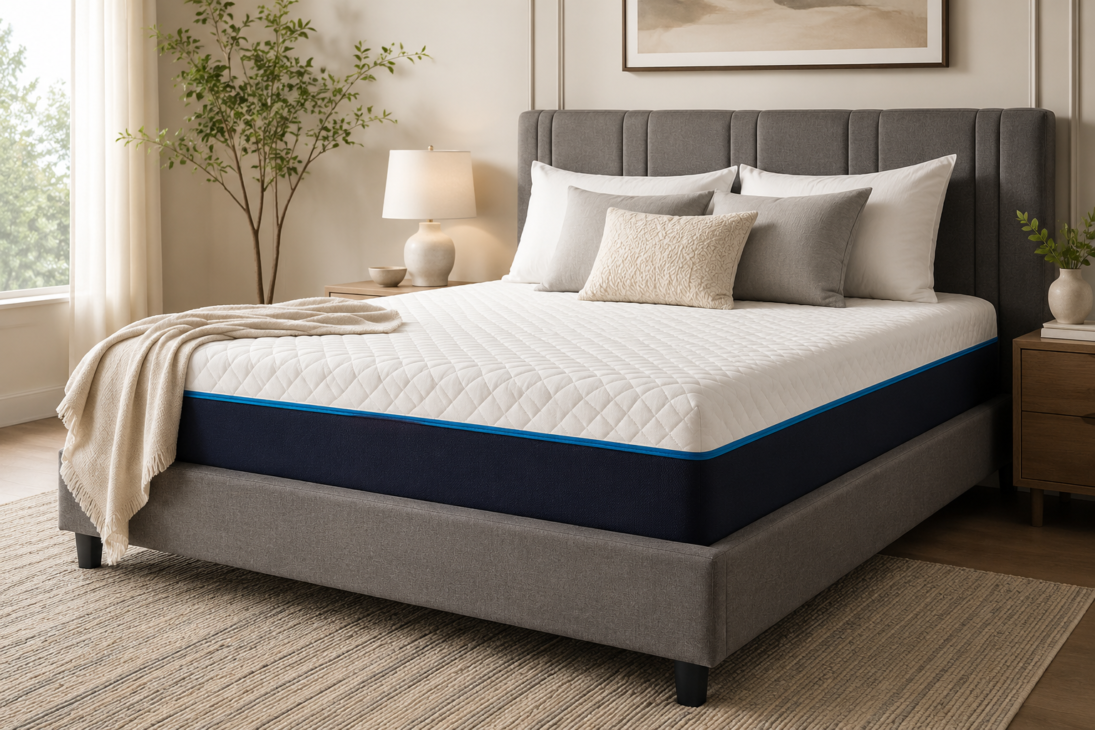
Simba built its UK reputation on Aerocoil spring technology — a genuinely distinctive engineering approach in the bed-in-a-box mattress category. The product quality conversation is largely positive. The pricing transparency conversation requires a more honest accounting, including a formal regulatory finding that’s worth knowing before you see a “limited time” discount countdown clock.
Best for: Average-to-heavier weight back and stomach sleepers, hot sleepers specifically (Hybrid Ultra), and buyers who value sustainability credentials alongside mattress performance.
Simba Sleep is a UK-based mattress brand built around proprietary Aerocoil spring technology — thousands of miniature pocket springs designed to provide more responsive, zoned support than traditional foam-only or larger-spring alternatives. The brand has expanded its hybrid range across multiple tiers (Hybrid, Hybrid Pro, Hybrid Ultra) targeting different comfort and budget levels.
Simba Sleep is a UK-based mattress brand built around proprietary Aerocoil spring technology — thousands of miniature pocket springs designed to provide more responsive, zoned support than traditional foam-only or larger-spring alternatives. The brand has expanded its hybrid range across multiple tiers (Hybrid, Hybrid Pro, Hybrid Ultra) targeting different comfort and budget levels.
This deserves direct, upfront treatment because it’s a formal regulatory matter, not just a customer complaint. The UK’s Competition and Markets Authority investigated Simba (alongside Emma Sleep and Wowcher in parallel investigations) regarding pricing transparency practices — specifically how “sale” discounts and countdown timers were presented to shoppers. The investigation concluded with binding legal undertakings governing how Simba can now present pricing.
A specialist mattress review site (John Ryan By Design) frames this directly: when you see a Simba mattress listed with a large “sale” price reduction and a countdown clock, the meaning of that promotional framing is “now governed by binding legal undertakings” rather than being an unregulated marketing tactic. This is genuinely useful context — it doesn’t mean current pricing is dishonest, but it explains why the promotional structure exists and what oversight now applies to it.
Setting the pricing context aside, the product engineering itself receives consistently strong independent assessment. TechRadar’s month-long testing of the Hybrid Pro with a multi-person testing panel concludes: “Simba makes a genuinely good hybrid mattress. The Aerocoil spring technology is distinctive, the build quality is solid.” Their specific pros: very supportive feel, responsive bouncy quality, good motion isolation, and the B-Corp/eco-friendly credentials.
The Hybrid Ultra’s cooling performance is specifically validated under real stress conditions — Sleep Hero’s reviewer tested it during an actual UK heatwave and reports “never felt hot, clammy, or uncomfortable,” specifically recommending it for heavy sweaters and hot sleepers.
This is the most technically substantive criticism in the available independent reviews, and it’s worth understanding precisely. John Ryan By Design’s detailed analysis explains: traditional pocket-sprung mattresses select spring wire gauge based on body weight — lighter sleepers get softer springs (1.2mm), average weights get medium (1.4mm), heavier sleepers get firm springs (1.6mm). Simba’s mass-market hybrid model applies the same spring specification regardless of the individual sleeper’s weight.
The specific concern raised: “a person at 9 stone and a person at 15 stone will both receive the same spring.” Getting spring tension wrong is described as “the single most common cause of mattress-related pain” in that reviewer’s professional experience — and it’s a limitation the one-size mass-market model can’t address regardless of how good the underlying engineering otherwise is.
This same source documents a specific forum account: a buyer whose son’s Simba was running hot, who’d tried a feather topper without success and was considering latex — the honest assessment given was that “nothing on top of the mattress will meaningfully solve a heat problem that originates in the mattress itself,” implying that for some sleepers and some Simba configurations, heat retention can be a genuine issue not fixable through toppers.
Multiple reviews specifically note that motion transfer performance depends significantly on the bed base used. The Hybrid Pro and Hybrid Ultra both show somewhat more motion transfer on slatted bases compared to more supportive divan or solid bases — worth knowing if you’re pairing the mattress with a specific frame type and motion isolation matters (couples, restless sleeping partners).
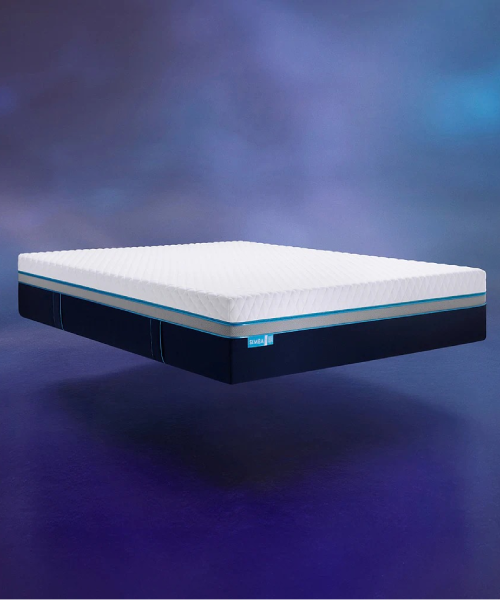
Best for: Average to heavier-weight back and stomach sleepers wanting a firmer, well-cushioned support structure with strong sustainability credentials.
Top Features:
One Honest Drawback: Too firm for lighter-weight side sleepers specifically — the firmly cushioned design favors heavier bodies and back/stomach positions.
Verdict: TechRadar’s month-long panel testing specifically validates this as a genuinely good hybrid mattress for the right body type and sleep position.
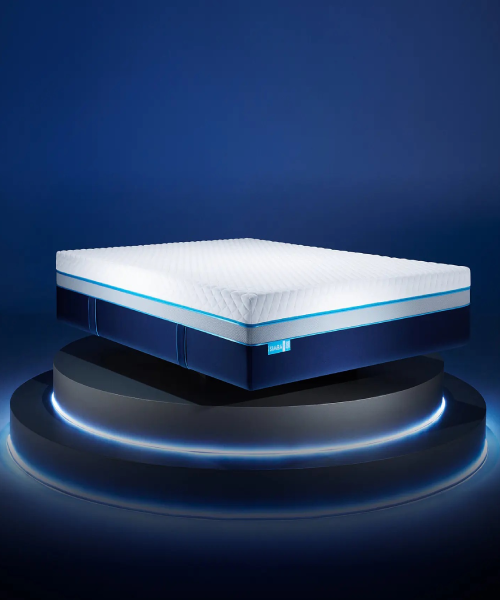
Best for: Hot sleepers and heavy sweaters specifically — the cooling performance is the standout feature validated under real heatwave conditions.
Top Features:
One Honest Drawback: More motion transfer documented than other mattresses tested in the same comparative review, particularly on slatted bases.
Verdict: The clear choice for buyers whose primary mattress problem is overheating — independently validated under genuine stress-test conditions.
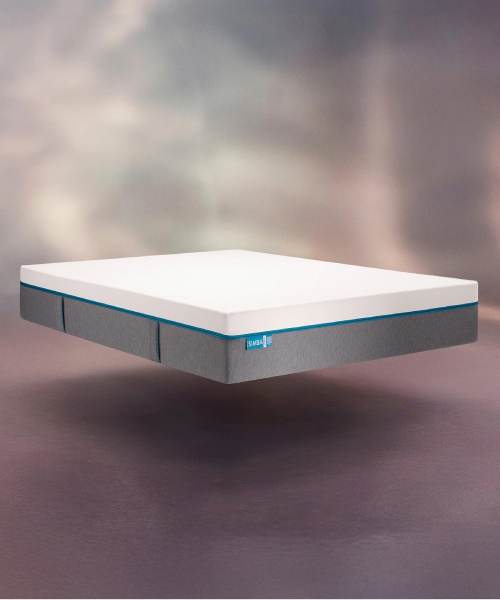
Best for: Side sleepers specifically wanting the medium-firm pocket-sprung experience at a more accessible price point than the Pro or Ultra tiers.
Top Features:
One Honest Drawback: The one-size spring tension limitation applies most directly here — body weight variance isn’t addressed by a single spring specification.
Verdict: A reasonable starting point for side sleepers within an average weight range, with the trial period providing a safety net to evaluate fit.
The majority of Simba buyers report positive experiences according to aggregated review analysis, with consistently strong praise for the product engineering and the brand’s sustainability credentials. The CMA pricing finding represents a regulatory and trust concern distinct from the product quality conversation — buyers should be aware of both dimensions separately.
Real accounts paraphrased:
For the right body type and sleep position: yes — the Hybrid Pro and Hybrid Ultra both receive genuinely strong independent testing validation for their specific intended use cases.
For lighter-weight sleepers or anyone whose mattress needs are specifically driven by precise weight-calibrated spring tension: the one-size model limitation means a bespoke pocket-sprung mattress from a specialist may serve you better.
On pricing: use the 200-night trial regardless of promotional pricing shown, and be aware that “sale” framing is now subject to regulatory oversight following the CMA investigation.
Simba’s underlying mattress engineering is genuinely well-regarded by independent testing, with the Hybrid Ultra’s cooling performance and the Hybrid Pro’s support quality both validated under real testing conditions rather than just marketing claims. The B-Corp certification reflects genuine sustainability commitment.
The CMA pricing investigation is worth knowing about specifically — not because it indicates current dishonesty, but because it provides useful context for evaluating promotional pricing claims you’ll encounter when shopping.
Category | Score |
Build Quality & Engineering | 8.5 / 10 |
Cooling Performance (Hybrid Ultra) | 9 / 10 |
Support for Back/Stomach Sleepers | 8.5 / 10 |
Pricing Transparency | 6 / 10 |
Sustainability Credentials | 9 / 10 |
Trial Period | 9 / 10 |
Overall | 8.0 / 10 |