Hair care is a product category where the gap between marketing and mechanism is large. Products promising to repair split ends (they can’t — only cutting removes them), products that “nourish” hair (hair shaft is dead tissue that can be coated but not nourished), and products that promise dramatic transformation in a single use (impossible for structural hair concerns) dominate the shelf and the budget.
Here is what hair care products can genuinely do — and the specific products that do it most effectively.
Shampoo removes oil, product, and environmental debris from the hair and scalp. A good shampoo cleans effectively without stripping the natural oils that maintain scalp health and hair condition. The sulphate-free versus sulphate debate: sulphates clean more aggressively, which benefits those with very oily scalps, and strips too aggressively for those with dry or colour-treated hair.
Conditioner provides temporary coating of the hair shaft that improves slip (reducing breakage from tangling), softness, and shine. It doesn’t repair the hair structure — it improves the surface temporarily until the next wash. Leave-in conditioner extends this benefit between washes.
Scalp health is the most under-addressed hair health variable. The scalp is skin — it responds to moisture, appropriate sebum levels, and the absence of inflammatory conditions in the same way as facial skin. Hair that grows from an unhealthy scalp reflects scalp health. Scalp treatments that address sebum, inflammation, and hydration produce long-term hair quality improvements that conditioning alone doesn’t.
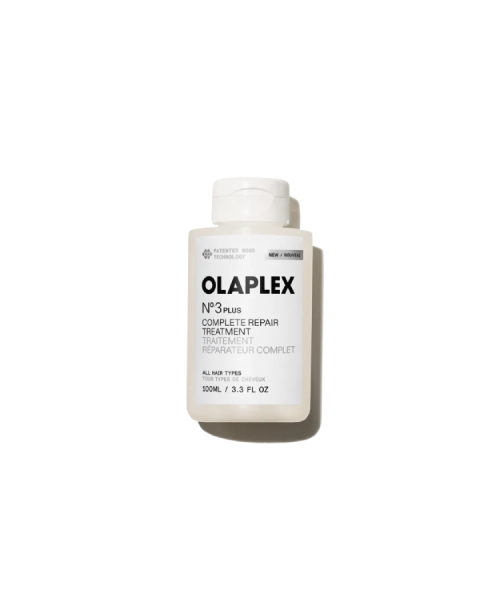
Available at: Olaplex (olaplex.com), Sephora, Ulta, Amazon
Best for: Those with colour-treated, heat-damaged, or chemically processed hair who want the most evidence-backed bond repair treatment available at-home.
Olaplex uses a patented chemistry (bis-aminopropyl diglycol dimaleate) that reconnects the disulfide bonds in the hair that are broken by chemical processing and heat damage. The mechanism is different from conditioning — it’s a structural chemistry process rather than a coating — and has clinical evidence behind it.
The No. 3 is the at-home version of the salon treatment, applied before shampoo for a minimum of ten minutes. After four to six uses, the structural improvement in chemically treated hair is noticeable — less breakage, more elasticity, better colour retention. This is not the same as new, undamaged hair — broken bonds can only be repaired in the damaged areas, and new damage continues to occur with ongoing colour and heat use. But the Olaplex treatment genuinely reduces the cumulative damage trajectory.
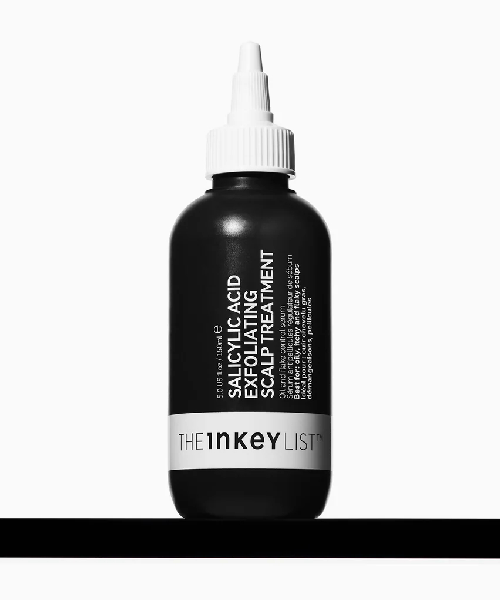
Available at: The Inkey List (theinkeylist.com), Sephora, Boots
Best for: Those with oily scalps, dandruff, or scalp buildup that affects hair condition and appearance.
Salicylic acid’s keratolytic effect — loosening and removing dead skin cell buildup — applied to the scalp addresses the specific scalp concerns that shampoo alone doesn’t resolve. The Inkey List’s scalp treatment is the accessible option for those who want to improve scalp health as part of a hair care approach.
A healthy scalp produces better hair — the hair follicle environment, the sebum production, and the absence of inflammatory conditions all affect the hair that grows from that scalp. Scalp treatment is the most evidence-backed hair quality improvement available for those who’ve optimised their general hair care routine.
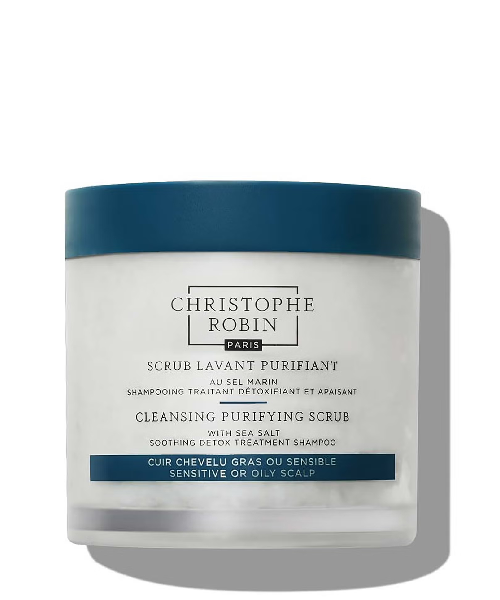
Available at: Christophe Robin (christophe-robin.com), Space NK, Sephora
Best for: Those who want the most luxurious, salon-quality scalp treatment available at home.
Christophe Robin’s scalp scrub uses sea salt for physical exfoliation alongside scalp-balancing ingredients that address sebum and scalp condition. The specific luxury of the scrub experience — the texture, the scent, the scalp massage during application — produces a self-care ritual alongside the genuine scalp health benefit.
For those who want the accessible option, The Inkey List achieves similar scalp health outcomes at a fraction of the price. For those who want the ritual experience alongside the scalp treatment, the Christophe Robin provides it.
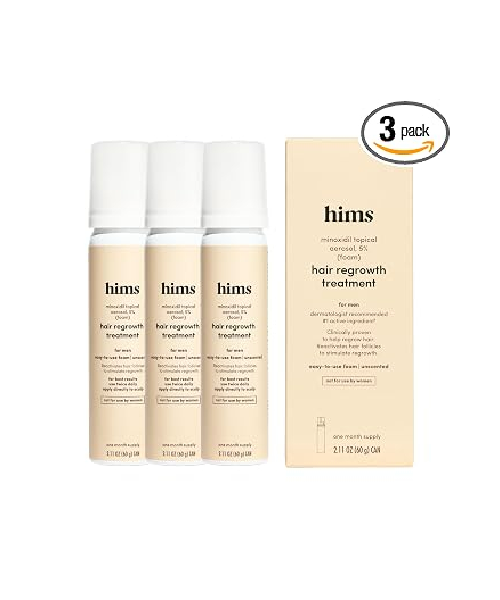
Available at: Hims (forhims.com), pharmacies
Best for: Those experiencing pattern hair loss who want the most evidence-backed topical treatment available.
Minoxidil is the only topical hair loss treatment with consistent clinical evidence supporting its efficacy — the FDA-approved ingredient that has been studied across thirty years of use. For those experiencing androgenetic alopecia (pattern hair loss), minoxidil applied to the scalp produces measurable slowing of loss and partial regrowth in the majority of consistent users.
The honest caveat: minoxidil works while used and stops working when stopped — the hair that’s maintained through minoxidil use typically falls out within months of stopping treatment. It’s a maintenance treatment rather than a cure. For those who want to maintain their hair, it’s the most evidence-backed option available without prescription.
Hair care products produce genuine benefits in specific, limited ways: shampoo cleans, conditioner coats and improves slip, Olaplex repairs bond damage in chemically treated hair, scalp treatments address scalp health that affects hair quality, and minoxidil addresses pattern hair loss with the most evidence available. Products that claim more than these specific effects are marketing beyond the mechanism. The five products above address what hair care can actually do — buy those, use them correctly, and you have the evidence-based hair care routine that produces genuine improvement.