

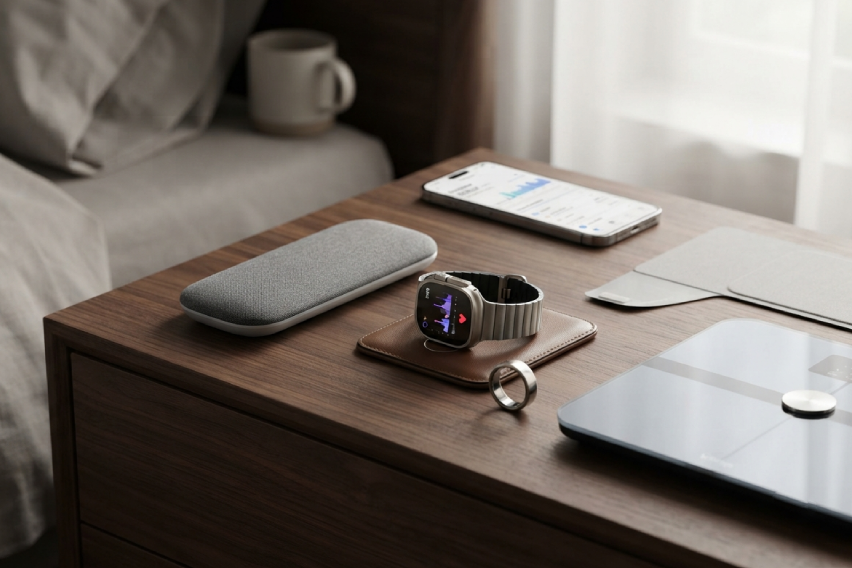
Health monitoring technology has become accessible enough to generate more data about sleep, activity, heart rate variability, and recovery than most people know what to do with. The specific value of this data is not in the numbers themselves but in the patterns they reveal — trends over weeks and months that identify what’s working and what isn’t in the way that subjective experience alone can’t.
Here is how to use health monitoring intelligently, and the specific products worth buying.
Trend identification over time. A single night’s sleep score or HRV reading tells you very little. Four weeks of data shows whether the change you made — going to bed earlier, cutting out evening caffeine, switching to the Levitex mattress — produced a measurable change in sleep quality. The baseline and trend are the valuable data; the individual data point is almost meaningless.
Recovery guidance. The specific question that HRV (heart rate variability) monitoring addresses most usefully is: is today a day for training intensity or for recovery? HRV is one of the most reliable physiological indicators of readiness for training stress, and consistent monitoring allows training load decisions to be informed by physiological state rather than arbitrary schedule.
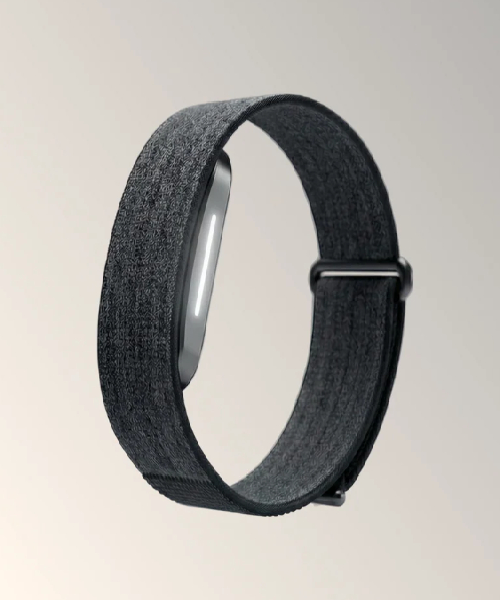
Available at: Hume Health (humehealth.com)
Best for: Those who want a systematic, guided approach to sleep improvement rather than simply better sleep products.
Hume Health approaches sleep as a system — the combination of the sleep environment, the bedtime routine, the pre-sleep behaviours, and the sleep surface quality that together produce sleep outcomes. Their programme guidance addresses the full system rather than selling isolated products to address isolated variables.
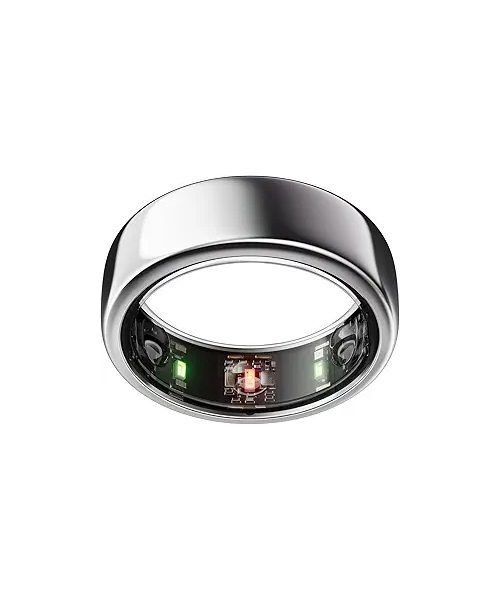
Available at: Oura (ouraring.com)
Best for: Those who want the most accurate consumer sleep and recovery tracking available without wrist-based measurement.
The Oura Ring is the most consistently rated consumer sleep tracking device for accuracy — the ring format positions the optical sensors on the finger’s underside, where the blood flow is more consistent than on the wrist, producing more accurate heart rate and HRV readings than wrist-based alternatives.
The specific data value: sleep stages (light, deep, REM), HRV across the night, respiratory rate, and recovery score. The trends over weeks show the patterns that individual nights don’t reveal — the consistent Friday night score reduction from social behaviour, the improved deep sleep percentage after starting the magnesium supplement, the HRV improvement after two weeks on the Levitex mattress.
The subscription is the honest caveat — the $5.99/month provides the insight and trend analysis that makes the ring data useful rather than a stream of numbers. Without the subscription, the ring’s data is limited. With it, the Oura is the most complete sleep tracking system available.
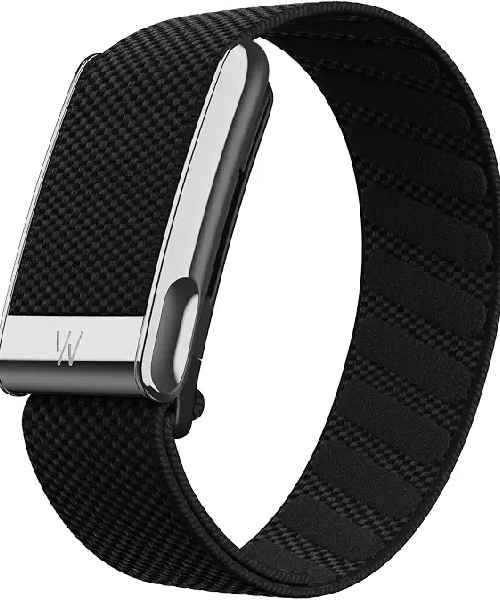
Available at: Whoop (whoop.com)
Best for: Those who train regularly and want recovery guidance that informs training load decisions.
Whoop is positioned specifically for athletes and those who train regularly — the recovery score and strain tracking are calibrated around training readiness rather than general wellbeing. The continuous HRV monitoring and the daily recovery score provide the specific guidance for training load decisions that the Oura also provides but in a more training-specific context.
The subscription model is higher than Oura’s but the continuous wear sensor doesn’t require charging — it charges on the wrist via a battery pack, removing the tracking interruptions that battery limits create with other wearables.
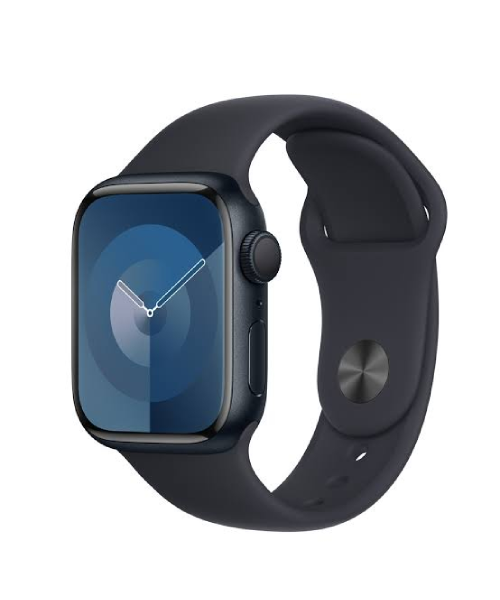
Available at: Apple (apple.com), Best Buy, Apple resellers
Best for: Those who want health monitoring alongside smartwatch functionality.
The Apple Watch provides sleep tracking, HRV monitoring, blood oxygen saturation, ECG capability, and fall detection alongside the full smartwatch functionality. The sleep tracking accuracy is below Oura and Whoop but adequate for trend identification. The additional functionality justifies the price for those who want a smartwatch that also provides health monitoring rather than a dedicated health monitor.
The Series 9’s specific hardware improvement over the Series 8: the S9 chip enables on-device processing that improves responsiveness and produces slightly better sensor reading accuracy.
Health monitoring data produces value through trend identification over weeks rather than through individual reading obsession — the person who checks their sleep score every morning and anxiously interprets fluctuations is getting less value from the monitoring than the person who reviews a month of trends and identifies the changes that improved or degraded sleep quality. Oura is the most accurate consumer sleep tracker for those whose primary interest is sleep and recovery. Whoop serves those whose primary interest is training load management. Apple Watch serves those who want health monitoring alongside smartwatch functionality. And Hume’s systematic approach to sleep health is the programme that contextualises whatever monitoring data you gather into actionable guidance.