


The supplement industry is one of the most aggressively marketed and least regulated categories in health products. Supplements don’t require clinical trials before market entry. Health claims are broadly permissible with appropriate disclaimers. And the aspiration to improve health, performance, or appearance produces a buyer base with significant willingness to spend without demanding clinical evidence.
Here is the honest guide to supplements with genuine evidence behind their claimed effects — and the honest caveat that food-first approaches are more evidence-backed than supplementation for most health goals.
Clinical trial evidence of a specific benefit at a specific dose in a specific population is the standard required for honest supplement recommendation. Many supplements have suggestive animal research, plausible mechanisms, or poorly controlled human studies that don’t meet this standard. Some have none of these.
The supplements below have human clinical trial evidence at standard supplement doses for the specific benefits described. This is a high bar that the majority of popular supplements don’t meet.
Available at: Amazon, pharmacies, health food stores
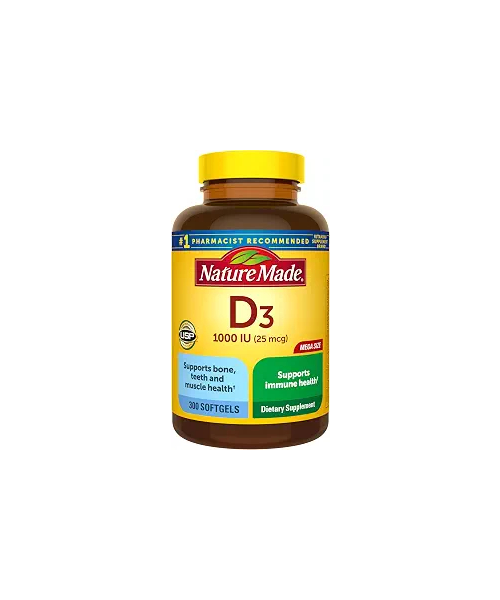
Best for: Those with insufficient sun exposure for natural vitamin D synthesis — which is most people in northern latitudes during winter.
Vitamin D deficiency is among the most common micronutrient deficiencies in populations with limited sun exposure. The clinical evidence for vitamin D3 supplementation in deficient individuals covers: bone health, immune function, mood support, and muscle function. The evidence is strongest in those who are deficient — those with adequate vitamin D status experience minimal additional benefit.
Testing vitamin D levels before supplementing and after establishing a dose is the recommended approach — the specific dose required to correct deficiency varies significantly between individuals.
Available at: Amazon, health food stores, pharmacies
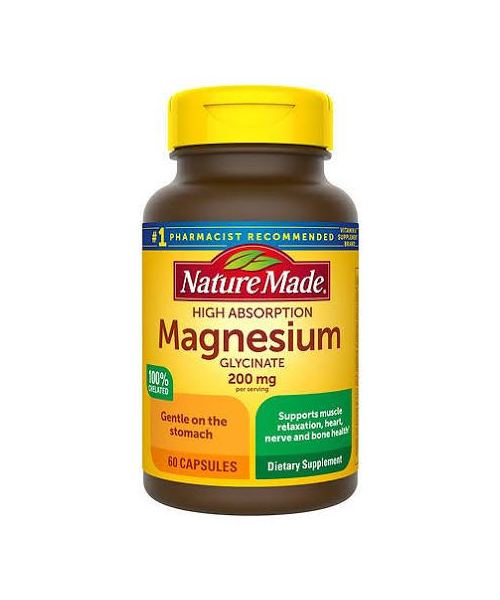
Best for: Those with magnesium insufficiency — common in those consuming modern processed food diets.
Already mentioned in the recovery products context: magnesium glycinate has clinical evidence for sleep quality improvement and muscle function support in those with magnesium insufficiency. The glycinate form is more bioavailable than the commonly sold oxide form and produces less digestive disruption.
Available at: Amazon, sports nutrition retailers
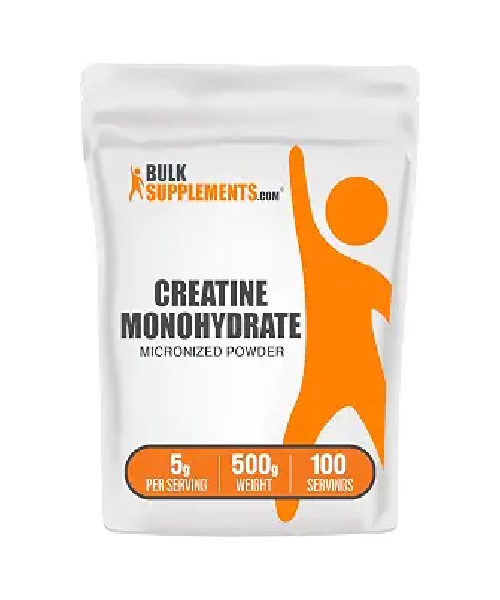
Best for: Those who do strength or high-intensity training and want the most evidence-backed performance supplement available.
Creatine monohydrate has the most robust evidence base of any performance supplement — hundreds of peer-reviewed studies demonstrate consistent improvements in maximal strength, power output, and lean mass when combined with resistance training. The mechanism is understood: creatine supplementation increases phosphocreatine availability, which supports the energy system used in high-intensity efforts.
Three to five grams per day at any time is the evidence-backed protocol — the loading phase of twenty grams per day for five days that some protocols recommend produces no long-term benefit advantage and is unnecessary.
Available at: Amazon, pharmacies, health food stores
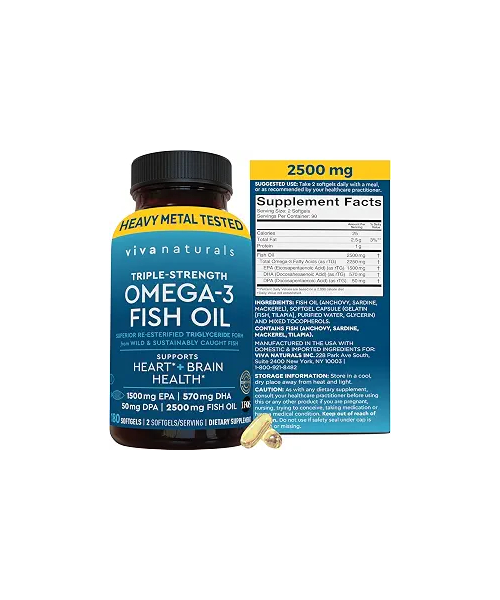
Best for: Those with low dietary fish consumption who want cardiovascular and inflammatory support.
The omega-3 evidence base is large but nuanced — the cardiovascular benefits are most clear in those with elevated triglycerides and in secondary prevention (reducing second heart attack risk). The anti-inflammatory effects are genuine but more modest than popular wellness discussion suggests.
The dose matters: 1,000mg EPA/DHA per day is the standard recommendation. Many fish oil supplements list total fish oil rather than EPA/DHA content — the active components — which means label reading is required to assess actual dose.
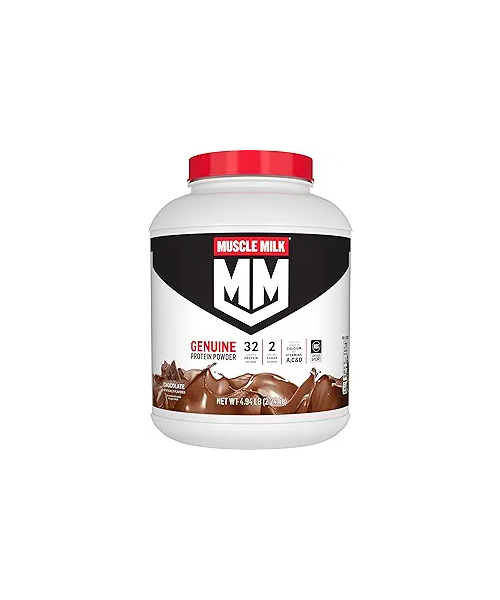
Available at: Amazon, sports nutrition retailers
Best for: Those who struggle to meet protein targets through food alone.
Protein powder is not a supplement with special properties — it’s a convenient, cost-effective source of protein. The clinical evidence for protein adequacy in muscle protein synthesis is clear; the evidence that protein powder produces different results than equivalent protein from food is not. Protein powder’s value is in convenience and cost per gram of protein, not in special biological properties.
Collagen supplements: dietary collagen is broken down to amino acids during digestion and doesn’t preferentially accumulate in joints or skin. The clinical evidence for joint and skin benefits is weak. The amino acids from collagen supplements are functionally identical to those from any protein food source.
Detox supplements: the liver and kidneys perform detoxification continuously and effectively in healthy people. No supplement enhances this process. The detox claim is not supported by physiology.
Most herbal supplements: the majority lack the clinical trial evidence that would support the specific claims made. Some have suggestive research; few have the robust human clinical evidence that the marketing implies.
The supplements worth taking are those with clinical evidence behind the specific benefit at the specific dose for people in your situation. Vitamin D3 for those with insufficient sun exposure. Magnesium glycinate for those with insufficiency. Creatine for strength athletes. Omega-3 for those with low dietary fish consumption. And protein powder as a convenient protein source for those who need the convenience rather than the special effect. Food-first approaches to all of these nutrients are more effective than supplementation for those who can achieve adequate intake through diet — supplements close gaps rather than replace foundations.