

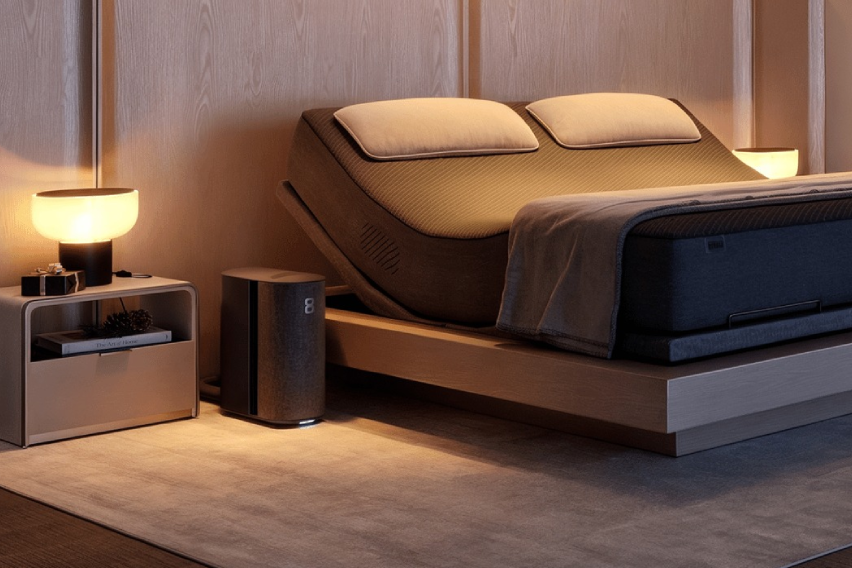
The subscription question is the one that comes up most often in Eight Sleep discussions and it’s usually framed as a complaint. Spending $2,000+ on hardware and then being charged monthly for the software that makes it useful feels like a cash grab to a lot of people — and that reaction is understandable even if it’s not the whole picture.
This is the honest breakdown of what the membership actually gets you, what you can do without it, and whether it’s worth paying depending on how you’re using the system.
The membership tiers have evolved over time and the specifics are worth checking on the current Eight Sleep site, but the general structure has been consistent.
The base tier — around $17 per month — unlocks Autopilot scheduling. This means the Pod 5 starts pre-cooling your bed before you get in, adjusts temperature through the night based on your sleep stage data, and warms gradually before your alarm. It also unlocks the detailed morning sleep report with your sleep score, sleep stage breakdown, HRV data, and respiratory quality metrics.
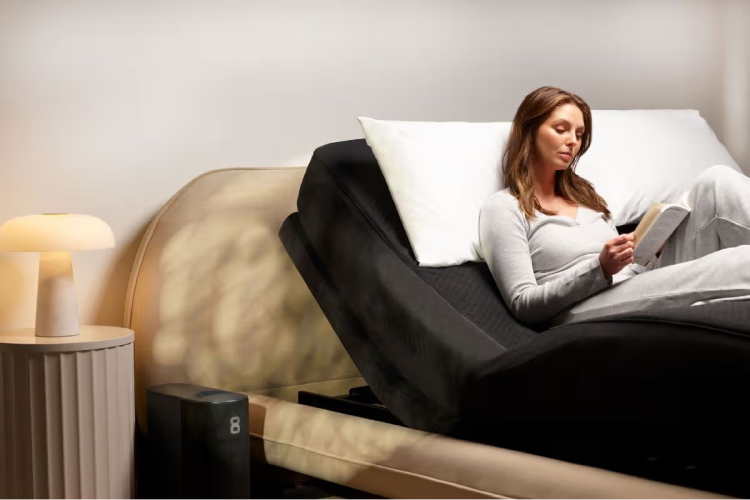
The enhanced tier — around $25 per month — adds more granular health trend tracking, more detailed health insights, and the wellness features that connect sleep data to broader health recommendations.
One membership covers both sides of the bed for couples. This is worth knowing because it’s a meaningful differentiator from competing systems that charge per zone.
This is the part that’s underexplained on Eight Sleep’s own site and worth being clear about.
Without any membership, you can still use the Pod 5 to control your sleeping surface temperature manually. Set your side to whatever temperature you want through the app, your partner sets their side, and the active cooling and heating system runs as you’ve specified all night. You also get a basic sleep score and rough sleep stage summary.
What you’re missing without the membership is the intelligence layer. No Autopilot — the temperature stays wherever you set it rather than adjusting through the night. No detailed HRV trend tracking. No morning health insights. No pre-cooling scheduling based on your actual bedtime patterns.
Manual temperature control is genuinely useful on its own. A hot sleeper setting their side to 64°F and sleeping on it all night is going to sleep better than they were sleeping before. But they’re using a $2,000+ system as a sophisticated and expensive cooling pad rather than as a sleep optimization system.
The core question on the membership is whether Autopilot is worth $17 to $25 per month.
Autopilot’s value compounds over time. In the first two weeks, it’s learning — gathering data on your sleep patterns, your bedtime tendencies, your temperature responses to different sleep stages. By week four, it’s making adjustments that are genuinely calibrated to your individual patterns. By month three, most users report that they’ve stopped thinking about temperature at all — the system just handles it.
The experience of sleeping somewhere without it — a hotel room, a guest room — becomes the clearest evidence that Autopilot is doing something. The static temperature environment that felt normal before feels noticeably worse once your body is used to managed, dynamic temperature throughout the night.
For people who engage with this actively — who check their morning sleep report, who notice that their HRV drops after alcohol and adjusts their habits, who use the trend data to make decisions about training load or stress management — the membership pays for itself in behavior change value alone. For people who check the app once a week and mostly just want the bed to be the right temperature, the base tier is probably sufficient.
A lot of the negative sentiment around the Eight Sleep subscription comes from the principle of the thing rather than the practical impact. People have spent $2,000 on hardware. Being charged again monthly for software to make the hardware useful feels like a boundary that shouldn’t be crossed.
The honest response to this: the Autopilot algorithm is genuinely expensive to maintain and improve. The machine learning that learns your sleep patterns, the health insights engine, the ongoing software updates that have improved Pod 5 performance since launch — these are not free to build or operate. Whether you think subscription-based software on top of hardware is appropriate is a legitimate philosophical question. The practical question is whether the features you’re paying for are worth the cost.
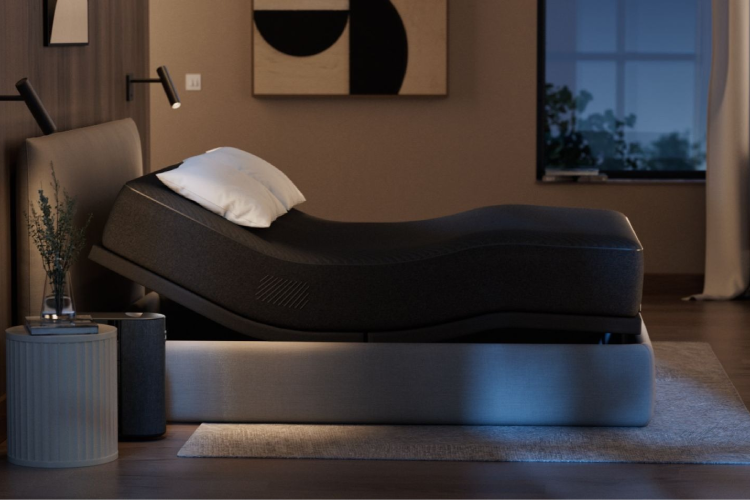
At $17 per month, Autopilot and detailed sleep tracking cost about the same as a single specialty coffee per day. For a system you’re using every single night, that’s a defensible ratio.
Start with the enhanced tier for the first three months. This is the period when you’re forming habits around the sleep data, when Autopilot is learning and you’re seeing what it does, and when you’re deciding whether this is a system you want to engage with deeply or use more passively.
After three months, make a deliberate decision about which tier serves you. If you’re checking your health trends regularly, using the recovery insights, and finding Autopilot’s adjustments meaningful — the enhanced tier is earning its cost. If you’ve mostly been glancing at your sleep score each morning and haven’t thought about the trend data — the base tier covers what you’re actually using.
The membership is not optional if you want Autopilot. It is optional if you’d genuinely be satisfied with manual temperature control and a basic sleep score. Both are legitimate choices. The question is which one describes how you’ll actually use the product.