
Oura Ring 4’s most credible independent validation comes from an engineer who went in sceptical — describing his initial reaction to a “$349 ring that charges $5.99 a month” as “overpriced jewelry for wellness enthusiasts” — and emerged from 90 nights of data collection as a daily wearer. The turning point was not the hardware but the patterns: late meals reliably reduced HRV by 8–12ms, two drinks crashed the recovery score by 15–20 points, and workouts after 7pm consistently fragmented sleep. These were not marketing claims — they were documented personal physiological responses discovered through 90 nights of passive monitoring without any active tracking effort. The most important honest buyer context from SleepyHero’s 2026 analysis: the true 3-year cost is approximately $565 — not the $349 sticker price — and the subscription is the main friction point for buyers who compare Oura against no-subscription alternatives.
✅ Tom’s Guide names it best overall sleep tracker in 2026 — “still the favourite smart ring.” Tom’s Guide’s panel of health tracker testers, who wore three sleep trackers simultaneously for comparison, selected the Oura Ring 4 as the clear winner: “In my view, it’s the best sleep tracker you can buy online right now.” One year after launch, still the category leader in their assessment.
✅ 86–89% sleep stage accuracy against polysomnography — independently validated. The BetterVitals 90-night engineer test documents 86–89% sleep staging agreement against subjective sleep logs and known wake-ups — consistent with the Chee et al. 2021 validation study comparing Oura against gold-standard polysomnography. SleepyHero specifically cites this study with the actual accuracy figure rather than vague “most accurate” marketing claims.
✅ The trend insight is where Oura’s real value lives — 30-plus night pattern recognition. The engineer’s most valuable documented finding: patterns across 30-plus nights reveal physiological responses invisible in daily snapshots. Late meals reducing HRV, two drinks crashing recovery, evening workouts fragmenting sleep — these are behaviour-consequence relationships that daily score-checking alone cannot reveal. The longitudinal data is the subscription’s primary justification.
✅ Ring form factor sleeps more comfortably than a watch — 4–7 day battery. Tom’s Guide and BetterVitals both document the ring form factor’s primary advantage: comfort during sleep. No band sweating, no screen awkwardness, no wrist pressure. The 4–7 day battery means charging is a planned weekly event rather than a daily obligation. NexraGear documents 60-plus days of 24/7 wear with no significant comfort complaints.
✅ Ceramic edition launched October 2025 — Mohs 8.5 hardness in Cloud, Tide, Petal, Midnight. Four new ceramic colourways in zirconia ceramic with a hardness rating of 8.5 on the Mohs scale — addressing the documented titanium finish scuffing complaint. For buyers who want scratch resistance as a priority, the ceramic edition is the documented hardware upgrade.
✅ Oura Advisor AI learns from physiology over time — personalised recommendations. NexraGear documents the Oura Advisor as analysing patterns and generating personalised recommendations that improve as more data accumulates. The AI layer is what separates the subscription-funded Oura data experience from competitors that provide raw numbers without contextual interpretation.
✅ Cardiovascular Age, Stress Resilience, Cardio Capacity — longitudinal metrics beyond sleep score. The “My Health” tab’s 30/60/90-day trend metrics are the subscription features that justify the ongoing cost for engaged users. Cardiovascular Age and Cardio Capacity add health intelligence that competitors without Oura’s data infrastructure cannot match.
✅ Worn by Jennifer Aniston, Gwyneth Paltrow, Prince Harry, and LeAnn Rimes — organic celebrity adoption. The celebrity adoption is documented without paid partnership disclosures — consistent with organic use by people who can access any health wearable available and choose Oura for personal use.
❌ True 3-year cost is ~$565 — not the $349 sticker price. SleepyHero’s honest cost calculation: $349 hardware plus $72/year subscription equals $565 over 3 years. For buyers comparing Oura against Whoop ($1,080 over 3 years) or Apple Watch Series ($399 over 3 years with no subscription but less sleep focus) — the comparison requires the full ownership cost, not the hardware sticker price.
❌ Subscription is required to access deeper insights — basic scores only without it. The $5.99/month subscription is not optional for buyers who want detailed sleep stage breakdown, trend analysis, Oura Advisor recommendations, or Cardiovascular Age metrics. Without the subscription, the $349 ring delivers basic daily scores that represent a fraction of its capability. The engineer reviewer is explicit: “Only if you actively use the data to change behaviour. Without the subscription, you get basic scores but lose detailed insights.”
❌ Titanium finish scuffs easily — documented within weeks of normal wear. Multiple reviewers document the standard titanium finish showing scuffs within weeks of normal daily use. The ceramic edition addresses this — but at a higher price point than standard colourways.
❌ Sizing quirks cause more buyer issues than any other smart ring feature. NexraGear’s 60-day review specifically flags “sizing quirks” as the most common buyer trip-up alongside the subscription. Rings don’t stretch, and finger size varies with temperature, hydration, and time of day. The $10 sizing kit from Amazon reduces this risk — but the credit expires in 30 days and doesn’t stack with all promotions.
❌ Not suitable for contact sports — documented damage risk. SleepyHero’s explicit persona analysis: contact sports participants should skip Oura. A hard impact on the ring finger while wearing a metal band creates injury and damage risk that wrist-based trackers avoid entirely.
❌ No real-time display — data accessible only through the app. Oura’s ring has no screen. All metrics are reviewed in the app after the fact. For buyers who want heart rate or step count visible at a glance during the day — Apple Watch or Garmin are more appropriate. Oura is designed for retrospective data review, not real-time monitoring.
This review draws on BetterVitals’ 90-night independent engineer test, SleepyHero’s 2026 comprehensive analysis with PSG validation citation, NexraGear’s 60-plus day test, Tom’s Guide’s sleep tracker panel comparison, WearableXP’s detailed sensor analysis, and Oura’s official ceramic edition documentation. No affiliate relationship with Oura exists.
Oura Ring 4’s sleep tracking is validated against polysomnography — the gold-standard clinical sleep test — at 86–89% accuracy across sleep stage detection. This is not a brand claim; it is independently documented in academic research and replicated in the 90-night engineer test. The relevant context: no consumer wearable matches laboratory PSG accuracy because PPG sensors at the finger differ from EEG electrodes at the scalp. What Oura delivers is the most accurate commercially available approximation, with documented validation that competitors without PSG comparisons cannot match.
The subscription debate is the most documented buyer consideration for Oura. SleepyHero’s analysis is the most honest available: if you check health data daily and adjust behaviour based on metrics, the subscription is worth it. If you’re the type who opens the app once a week, checks the sleep score, and closes it — the subscription’s deeper insights will go unused and the value case collapses. The engineer’s 90-night test documents specific behavioural changes driven by trend data — late meal timing, alcohol consumption, evening workout scheduling — as the real subscription return on investment. Abstract data without behaviour change is an expensive hobby.
NexraGear documents a specific finding worth noting: RingConn and Ultrahuman, which currently market as no-subscription alternatives, confirmed in 2025 investor disclosures that “premium insight” tiers are planned — meaning the no-subscription positioning of current competitors may be temporary. For buyers choosing Oura’s subscription-funded model against competitors specifically for the no-subscription appeal, verify current pricing before committing.
SleepyHero’s six-persona analysis is the most practically useful framing. Buy Oura if: sleep-focused and want the most sleep-accurate wearable, you want recovery data without a watch overnight, you prefer subtle jewellery-format wearables, you commit to reviewing trend data over weeks. Skip Oura if: you play contact sports, your fingers swell significantly with temperature or hydration, you want real-time display data, you want athletic performance coaching rather than sleep and recovery focus (Whoop is better for athletes), or you are deeply embedded in the Apple ecosystem (Apple Watch integration wins there).
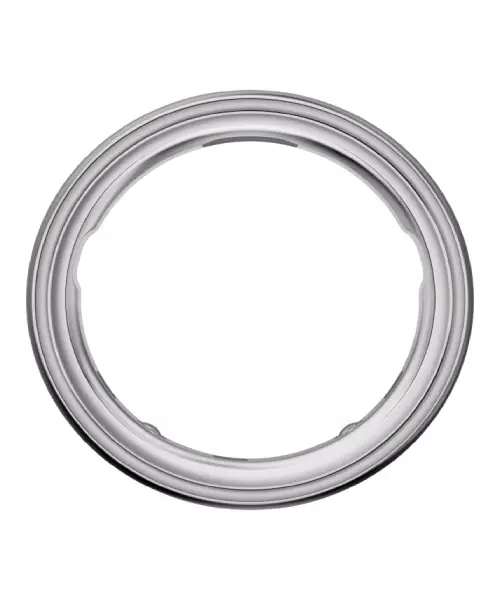
The entry colourway. Titanium finish — documented as scuffing within weeks of normal daily wear. Best for buyers who prioritise sleep and recovery tracking at the lowest Oura entry price.
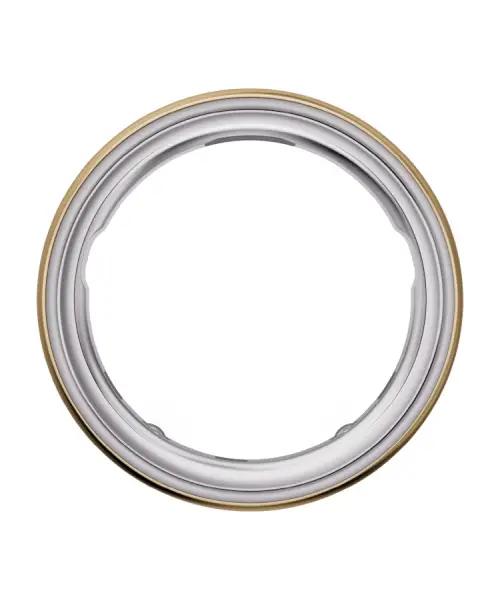
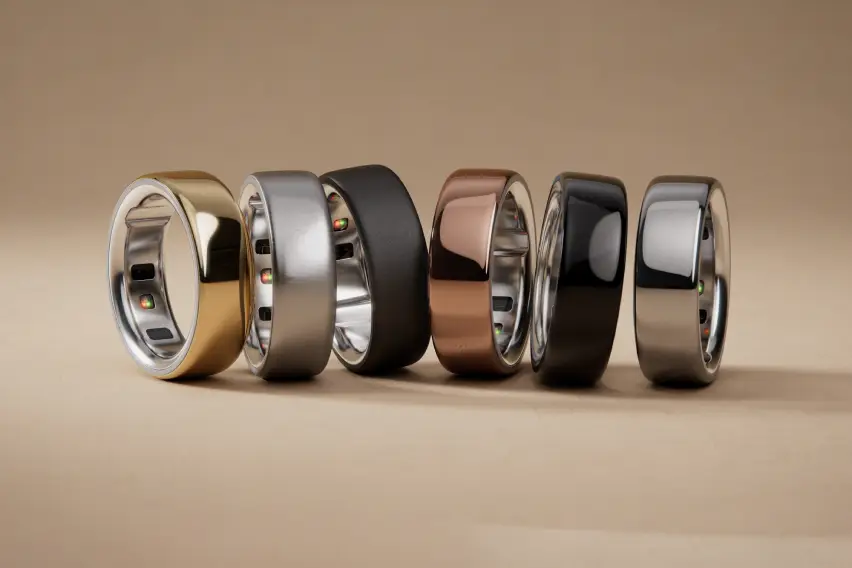
Premium colourways in PVD-coated titanium. Same sensors and capabilities as standard. Best for buyers who want a more distinctive aesthetic.
Required for detailed sleep stage breakdown, HRV trends, Cardiovascular Age, Oura Advisor, and all longitudinal insights. First month free.
“Three months and 90 nights of data later, I’m wearing it every day. Late meals reliably reduced my HRV by 8–12ms. Two drinks crashed my recovery score by 15–20 points. Workouts after 7PM consistently fragmented my sleep.” — BetterVitals 90-night engineer reviewer
“One sleep tracker emerged as the clear winner: the Oura Ring 4. In my view, it’s the best sleep tracker you can buy online right now. A year on, it’s still the favourite smart ring among our panel of health tracker testers.” — Tom’s Guide sleep tracker panel
“The Oura Ring 4 is the default sleep-focused pick for 2026 — smallest form factor, 4–7 day battery, and the strongest sleep stage validation against polysomnography.” — SleepyHero 2026 analysis
“After 60+ days of hands-on testing, the Oura Ring 4 remains the most advanced sleep and recovery tracker in 2026 — but the subscription model and sizing quirks trip up more buyers than any other smart ring.” — NexraGear 60-day review
Buy Oura Ring 4 if: You want the most accurate consumer sleep tracker with PSG-validated data, you commit to reviewing trend data over 30-plus nights and adjusting behaviour based on findings, and the $565 three-year true cost is acceptable within your health technology budget.
Consider Whoop instead if: You are primarily an athlete who wants training load and performance coaching rather than sleep focus. SleepyHero is explicit: Whoop is better for athletes.
Consider Apple Watch instead if: You are deeply integrated into the Apple ecosystem and want real-time display data alongside health tracking. Apple Watch wins on ecosystem integration; Oura wins on sleep accuracy and form factor comfort.
Skip both if: You play contact sports, your fingers swell significantly, or you want a wearable you’ll check the data on once a week — the subscription doesn’t justify itself for passive weekly check-ins.
Feature | Oura Ring 4 | Whoop 4.0 | Apple Watch S10 | Samsung Galaxy Ring | RingConn Gen 2 | Ultrahuman Ring |
Hardware Price | $349–$499 | Free (sub) | $399+ | $399 | $279 | $349 |
Monthly Sub | $5.99 | $30 | None (Apple One) | None (for now) | None (for now) | None (for now) |
3-Year True Cost | ~$565 | ~$1,080 | ~$399+ | ~$399 | ~$279 | ~$349 |
Sleep Stage PSG Validated | ✅ | ✅ | ✅ Some | ✅ Some | ⚠️ Limited | ⚠️ Limited |
Screen | ❌ | ❌ | ✅ | ❌ | ❌ | ❌ |
Battery | 4–7 days | 4–5 days | 18hr–36hr | 7 days | 7 days | 6 days |
Contact Sport Safety | ❌ | ✅ | ✅ | ❌ | ❌ | ❌ |
Athlete Coaching | ⚠️ Basic | ✅ Best | ✅ Good | ⚠️ Basic | ❌ | ⚠️ Basic |
Only if you use the data to change behaviour. The 90-night engineer test documents specific HRV, recovery, and sleep pattern findings that drove real lifestyle adjustments. If you check the app daily and use trend data actively — yes. If you check once a week and look at the sleep score — no.
86–89% agreement against polysomnography across sleep stage detection in independent testing — consistent with the Chee et al. 2021 academic validation study. The most accurate consumer wearable sleep tracker validated against clinical gold-standard testing.
$349 hardware plus $71.88/year subscription equals approximately $565 over three years. Not the $349 sticker price. SleepyHero’s honest cost comparison also calculates Whoop at $1,080 and Apple Watch at $399 over the same period.
The standard titanium finish is documented as scuffing within weeks of normal daily wear. The October 2025 Ceramic Edition in zirconia ceramic at Mohs 8.5 hardness significantly improves scratch resistance — the documented solution for buyers who prioritise finish durability.
Oura for sleep focus, recovery passive tracking, and ring form factor comfort. Whoop for athletic training load management and performance coaching. SleepyHero’s explicit persona analysis: athletes should choose Whoop; sleep-focused adults should choose Oura.
Oura Ring 4 is the most validated consumer sleep tracker available — PSG-validated accuracy, ring form factor comfort during sleep, 4–7 day battery, and a data infrastructure that reveals lifestyle-health patterns across 30-plus nights that daily wearable snapshots cannot show. Tom’s Guide’s panel selected it as the best sleep tracker in 2026 after simultaneous multi-tracker comparison. The honest caveats are equally specific: the true 3-year cost is $565 not $349, the subscription is required to access the meaningful insights, the titanium finish scuffs within weeks unless you upgrade to ceramic, and contact sport participants and athletes need Whoop instead. For sleep-focused adults who commit to using the data — Oura Ring 4 is the most defensible choice in the wearable health tracker category.
Category | Score |
Sleep Tracking Accuracy | 9.5 / 10 |
Form Factor Comfort | 9.5 / 10 |
Battery Life | 9.0 / 10 |
Longitudinal Data Insights | 9.5 / 10 |
Subscription Transparency | 7.0 / 10 |
Finish Durability (Standard) | 6.0 / 10 |
Athletic Performance Coaching | 5.5 / 10 |
Value (3-Year True Cost) | 7.5 / 10 |
Overall | 8.4 / 10 |