

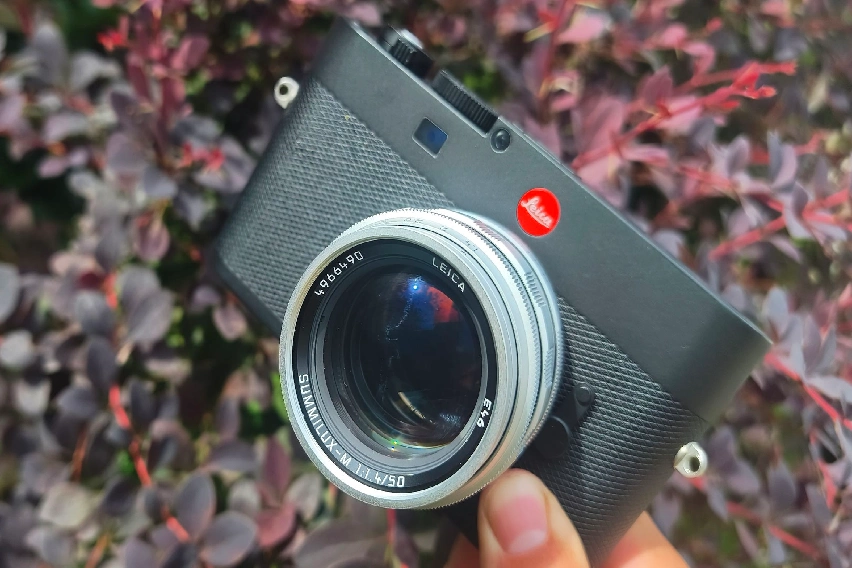
Leica is not a camera company. It’s a mythology. The red dot is a symbol of photographic heritage, of Cartier-Bresson, of a certain kind of romantic, analog-adjacent approach to image-making. The cameras are beautiful. The lenses are legendary. The build quality is, at its best, heirloom-grade.
But here is the thing that the mythology doesn’t tell you. Leica’s customer service is, according to a mountain of independent reviews, genuinely terrible. Trustpilot shows a score of 2.1 out of 5. Reviewers describe a company that is “arrogant, overpriced, and with particularly poor service”. One reviewer noted that a 1960 Leica M3 has better build reliability than modern Leicas.
This review exists because the cameras are genuinely special. But buying a Leica is not just buying a camera. It’s buying into an ecosystem. And that ecosystem has a customer support problem that you need to understand before you spend $5,000 or more.
We don’t accept free cameras. We read the Trustpilot reviews, the DPReview forum threads, and the long-term owner complaints. A Leica is a luxury purchase. Luxury should include luxury service. It often doesn’t.
Leica Camera AG was founded in 1869 in Wetzlar, Germany. The company invented the 35mm camera format and has been at the center of photographic history ever since. The M-series rangefinders are iconic. The Q-series compact cameras are cult favorites. The SL-series is the modern mirrorless line.
Leica is owned by the Kaufmann family and ACM Projektentwicklung. The company positions itself as a luxury brand, with prices to match. The Q3 43, for example, costs nearly $8,000. The SL3-S is around $5,000.
The best Leica cameras are built like tanks. The M-series bodies are brass and magnesium. The lenses are metal and glass, with focusing rings that feel like they were machined by watchmakers. The Q3 is a solid block of precision engineering.
But quality is not universally perfect. DPReview notes that the SL3-P “would be worth the price IF they were any more reliable or the customer support was any better”. The implication is clear: modern Leicas are not immune to reliability issues.
The rangefinder experience is the defining feature of the M-series. It’s manual focus, optical viewfinder, and a slow, deliberate way of shooting. It’s not for everyone. But for those who love it, nothing else compares.
The SL-series offers autofocus and a more modern feature set. But the autofocus is not class-leading. B&H reviewers note that it’s “fast for Leica, not as fast as Sony and Canon”. The Q-series is a fixed-lens compact with a Summilux lens and a full-frame sensor. It’s a one-camera solution for people who want simplicity.
The image quality is, as you would expect, excellent. The colors are rich, the micro-contrast is superb, and the lenses have a rendering that is difficult to replicate. The shooting experience is slow and deliberate, which is either a feature or a bug depending on your needs.
The performance limitations are real. If you shoot sports, wildlife, or fast-moving events, the SL-series will frustrate you. If you shoot street, portraits, or landscapes, it will reward you.
This is the catastrophic weak point. The Trustpilot reviews are brutal.
One reviewer sent a pair of Ultravid binoculars for servicing. The estimate took six weeks to arrive and came to €657. The binoculars were returned five months later. Another reviewer tried to get a sensor cleaned at the London location. They were told, after waiting months for an appointment, that the location could not support the camera. A claim was submitted, and they never heard back.
The pattern is consistent: slow responses, expensive repairs, and a lack of accountability. For a luxury brand, this is unacceptable.

The Q3 43 is the latest version of Leica’s popular fixed-lens compact. It has a 43mm f/2 APO-Summicron lens, a full-frame sensor, and a tilting screen. It’s a beautiful object and a capable camera.
The 43mm focal length is more natural than the 28mm of the standard Q3. It’s great for portraits and street photography. The build quality is exceptional. The lens is razor-sharp. But at nearly $8,000, it’s a serious investment. And if something goes wrong, you’re at the mercy of Leica’s support system.

The SL3-S is the “affordable” entry into the SL system. It has a 24MP sensor, improved autofocus, and L-mount compatibility. It’s a solid camera for photography and video.
The autofocus is faster than previous SL models, but still behind Sony and Canon. The build quality is excellent. The ergonomics are good. But the price is high for a 24MP camera in 2026. And the same customer service caveats apply.
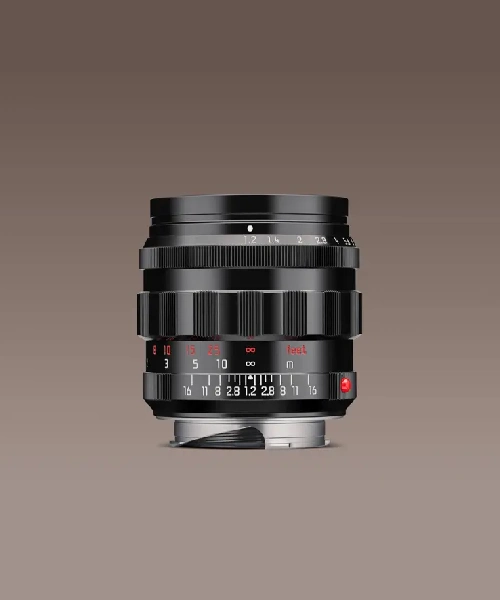
The M11 is the current flagship rangefinder. It has a 60MP sensor, a redesigned shutter, and a lighter body. It’s the purest expression of the Leica philosophy.
It’s manual focus only. It’s slow. It’s expensive. But the image quality is extraordinary, and the shooting experience is unique. If you want a Leica M, this is the one to get. Just pray you never need a repair.
The positive reviews are from people who love the cameras and have never had a problem. “The build quality is top-notch, and the autofocus is lightning-fast. The only downside is the price, but for a Leica, it’s worth every penny”.
The negative reviews are from people who have dealt with support. “Arrogant, overpriced, and with particularly poor service”. “One time Leica and never again”. “Customer care is a nightmare”.
Yes. It’s a 150-year-old company with a genuine heritage and genuinely excellent products. But legitimacy is not the issue. Reliability and support are.
If you want the Leica experience and you can afford the risk, yes. The cameras are special. But if you need reliable professional support, or you expect luxury-level service for a luxury-level price, no. Leica is a passion purchase, not a practical one.
Feature | Leica | Sony |
Price (flagship) | $5,000-$9,000 | $2,500-$6,500 |
Image quality | Exceptional, unique rendering | Excellent, clinically sharp |
Autofocus | Behind the curve | Class-leading |
Build quality | Heirloom-grade | Excellent |
Customer service | Poor | Generally reliable |
Best for | Romantics, heritage seekers | Professionals, action shooters |
Leica rarely discounts new gear. Used prices are more flexible. Sign up for the newsletter for occasional refurbished sales.
The M-series is generally reliable. The SL-series has some reported issues. Customer service is the bigger concern.
Hand-assembly in Germany, premium materials, low production volumes, and brand prestige.
If you want a fixed-lens full-frame compact with a legendary lens, yes. If you need versatility, no.
Based on customer reports, anywhere from weeks to months. One binocular repair took five months.
Generally, yes. Leica gear depreciates more slowly than most camera brands.
Buy a Leica if you love the experience and accept the risk. Avoid if you need dependable support.