
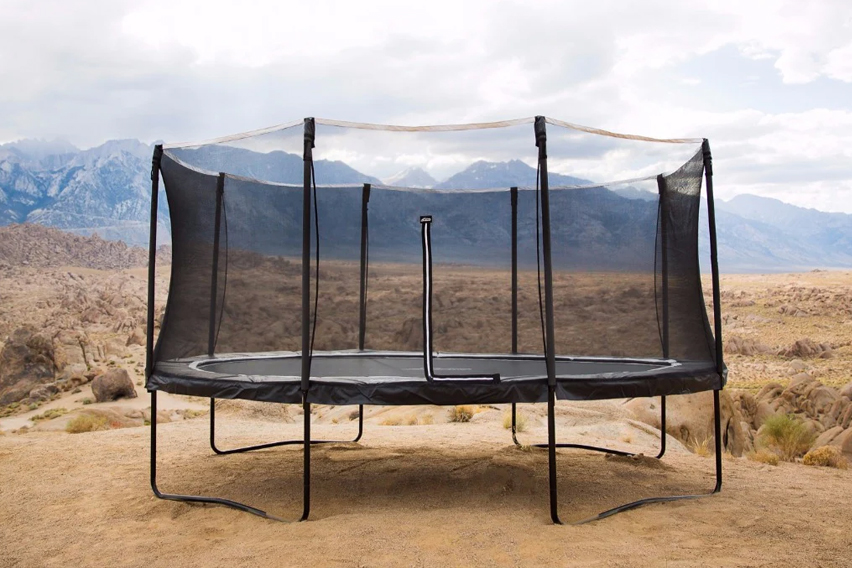
SkyBound Trampoline review: What to know before you buy

SkyBound Trampoline Featured Image

A trampoline is one of those purchases that instantly upgrades your backyard—until you’re comparing frame thickness, enclosure styles, and “how hard is assembly” at midnight. The fun part is easy. Buying the right one (and setting it up safely) is where most families either feel thrilled… or regretful.

This SkyBound Trampoline review focuses on what matters for real households: how stable the frame feels when kids bounce hard, how secure the enclosure and padding setup is, what kind of bounce you should expect (springs vs springless), and what you’re signing up for on assembly day.

If you want a trampoline that’s meant to be used regularly—not a seasonal toy you replace after a year—SkyBound’s best-selling models are built around that “safe + sturdy + family friendly” idea.

Highlights:

    • Best for: families who want a safety-forward trampoline without ultra-premium pricing
    • Strong category: full-size outdoor trampolines in the most popular yard sizes (12ft, 14ft, 16ft)
    • Stability focus: StratosPro models emphasize 6-leg designs and an easier-to-follow setup approach
    • Bounce options: classic spring feel or springless design depending on model
    • Best day-to-day win: enclosure + padding systems designed for safer family use
    • Biggest downside: assembly is still a project (especially 14–16ft sizes)
    • Not ideal for: small yards with limited clearance or buyers who want zero DIY
    • Value move: buy the size you’ll keep long-term, not the biggest you can squeeze in
    • My quick take: a smart “practical premium” pick if you prioritize safety and stability

Why You Should Trust Us?

We review trampolines using consistent criteria: enclosure and padding safety coverage, frame stability, bounce feel, durability for outdoor exposure, assembly realism, and overall value for a typical US family backyard.

About SkyBound

SkyBound is a trampoline brand focused on safety and easier assembly, with model lines that cover classic outdoor trampolines, springless options, and fitness/toddler categories.

What they’re known for

    • Outdoor trampolines in the most common family sizes
    • Safety-first design language focused on enclosure systems and padding coverage
    • Springless options for shoppers who want an alternative to traditional springs

Who they’re for

SkyBound is for families who want:

    • a safe enclosed trampoline for kids/teens
    • a stable frame that feels less “wobbly”
    • a lineup that’s easy to shop by size and style

SkyBound Trampoline Review

Quality & Build / Materials

The real quality signals on an outdoor trampoline are:

    • frame stability (especially leg design and overall rigidity)
    • how well the enclosure and padding stay aligned over time
    • outdoor durability (sun + rain + constant vibration)

SkyBound’s best sellers lean into the “family equipment” vibe—designed to feel sturdier and more secure than many bargain trampolines.

Key Features

Depending on the model, you’ll typically see:

    • full enclosure net systems designed for safer bouncing
    • padded spring zones (or springless bungee-style systems)
    • common family sizes and a few specialty shapes (like 10×17 rectangles)
    • safety standards messaging (still follow real-life rules)

Performance / Real-World Use

A trampoline performs well when it:

    • stays stable under energetic bouncing
    • keeps the enclosure feeling secure (not floppy)
    • delivers predictable bounce without feeling out of control

SkyBound’s spring-based models deliver the familiar trampoline rebound. Springless models feel different—often smoother in feel—but not everyone prefers the bounce style.

Big reality check: collisions cause many backyard trampoline injuries. Even the best trampoline is safest when you enforce simple rules—especially “one jumper at a time.”

Ease of Use

Once it’s installed, it’s “set and enjoy.” The hard part is assembly day.

Expect this to be a two-adult job for anything 14ft and up. Installing springs/bungees evenly and tensioning the enclosure correctly is the part that makes the difference between “solid” and “annoying.”

Maintenance / Care

To keep a trampoline safer and longer-lasting:

    • do a monthly check on net attachment points and padding position
    • check springs/bungees for wear and tension consistency
    • keep the area around the trampoline clear
    • consider an anchor kit if you’re in a windy area
What I Like
  • Best sellers focus on safety + family use (not gimmicks)
  • Strong coverage of the most practical sizes (12/14/16ft)
  • Springless option exists for buyers who specifically want that style
  • The StratosPro line emphasizes stability and a more guided setup experience
What I Don’t Like
  • Assembly is still real work (time + patience)
  • Bigger sizes demand real yard clearance (many people underestimate this)
  • Bounce preference varies a lot—especially springless vs classic springs

Price & Value

SkyBound generally competes in the “mid-to-premium family trampoline” category. Value is strongest when:
    • your family will use it weekly
    • you buy a size that fits your yard comfortably
    • you treat it like equipment (setup carefully + basic checks)

Best-Selling Products from SkyBound

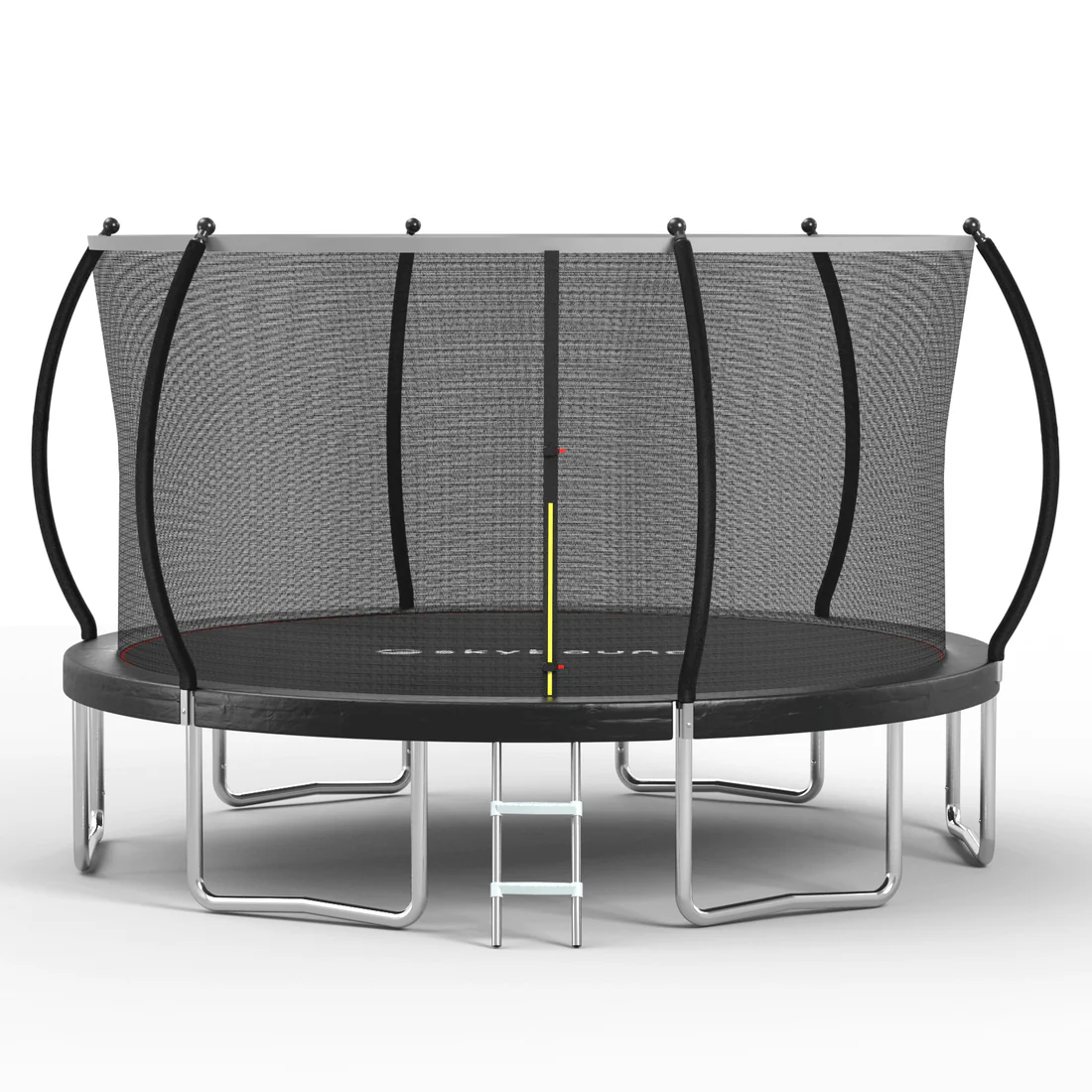
Skybound StratosPro 14ft Trampoline

Skybound StratosPro 14ft Trampoline

Who it’s best for: Most families who want the “sweet spot” size—big enough for fun, still manageable in many yards.
Top 3 key features:

    • 14ft family-friendly size
    • Stability-focused 6-leg design
    • Enclosure + padding built for safer backyard use

One honest drawback: You still need serious clearance around it (don’t crowd fences/trees).
Mini verdict: The best all-around pick for most backyards.
SkyBound Springless Trampoline 12FT

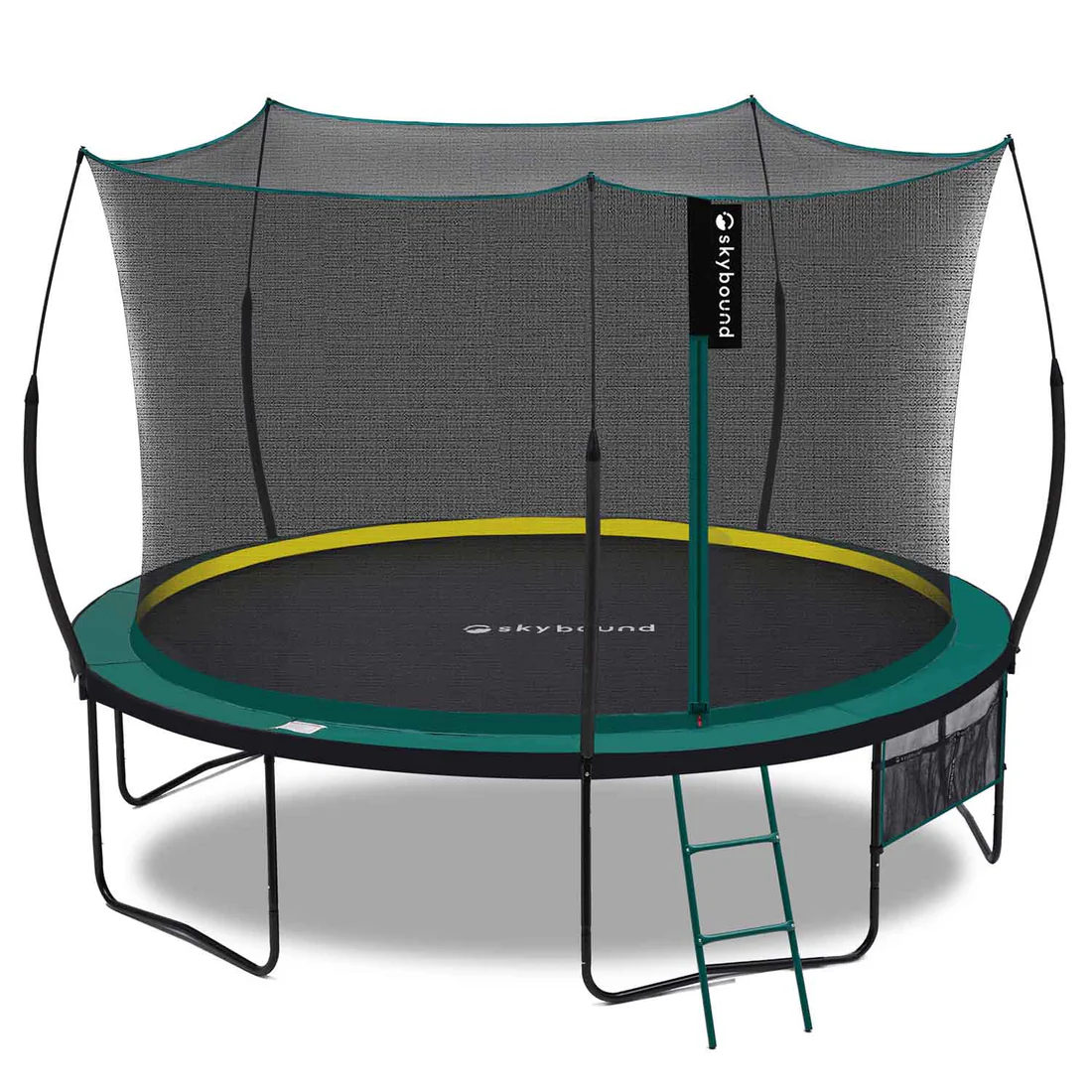
SkyBound Springless Trampoline 12FT

Who it’s best for: Families who prefer a springless design and want a smaller footprint.
Top 3 key features:

    • Springless concept (different feel than traditional springs)
    • 12ft size suits more yards
    • Safety-focused enclosure setup

One honest drawback: Bounce feel is different—some kids love it, some prefer classic springs.
Mini verdict: The “no traditional springs” choice that still fits family use.
SkyBound StratosPro 16ft Trampoline

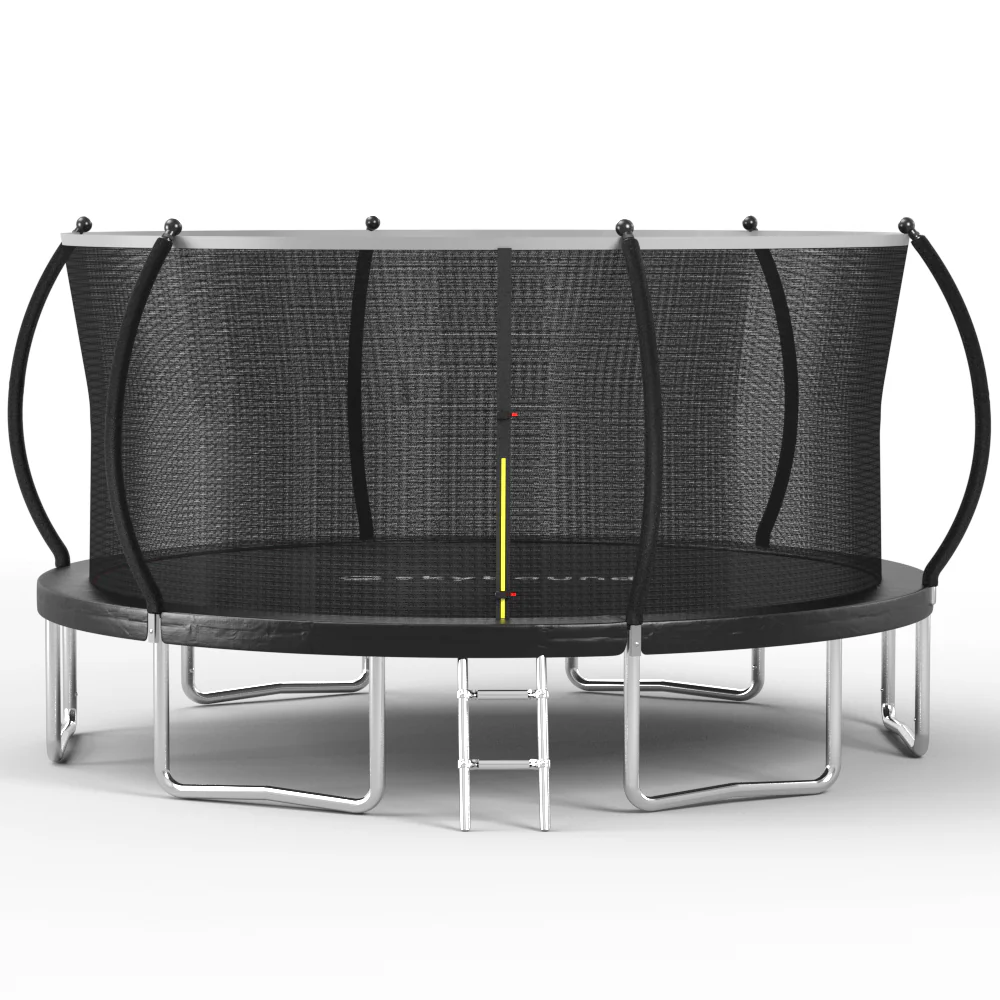
SkyBound StratosPro 16ft Trampoline

Who it’s best for: Bigger yards and older kids/teens who want more room.
Top 3 key features:

    • Larger jumping surface
    • Stability-focused leg design
    • Great for high-energy households

One honest drawback: More size = more temptation for multiple jumpers (set rules).
Mini verdict: Great if you have space and want a long-term size.
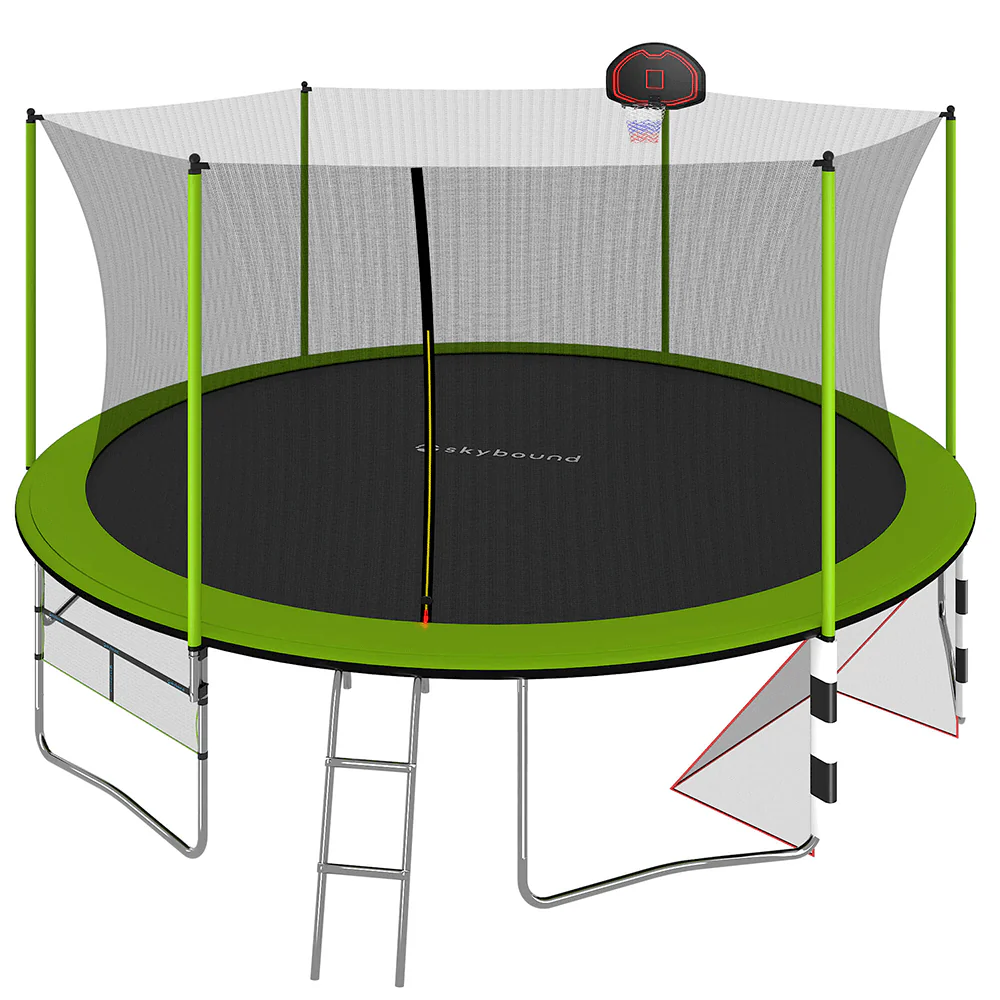
SkySoar 16ft Trampoline with Soccer Goal (Orange)

SkySoar 16ft Trampoline with Soccer Goal (Orange)

Who it’s best for: Families who want a big trampoline plus an activity add-on to keep play fresh.
Top 3 key features:

    • 16ft play space
    • Soccer goal add-on for extra variety
    • Fun for active kids who want more than just jumping

One honest drawback: More features can mean more setup and more “stuff” to manage.
Mini verdict: A fun pick for active households where the trampoline is a daily play station.
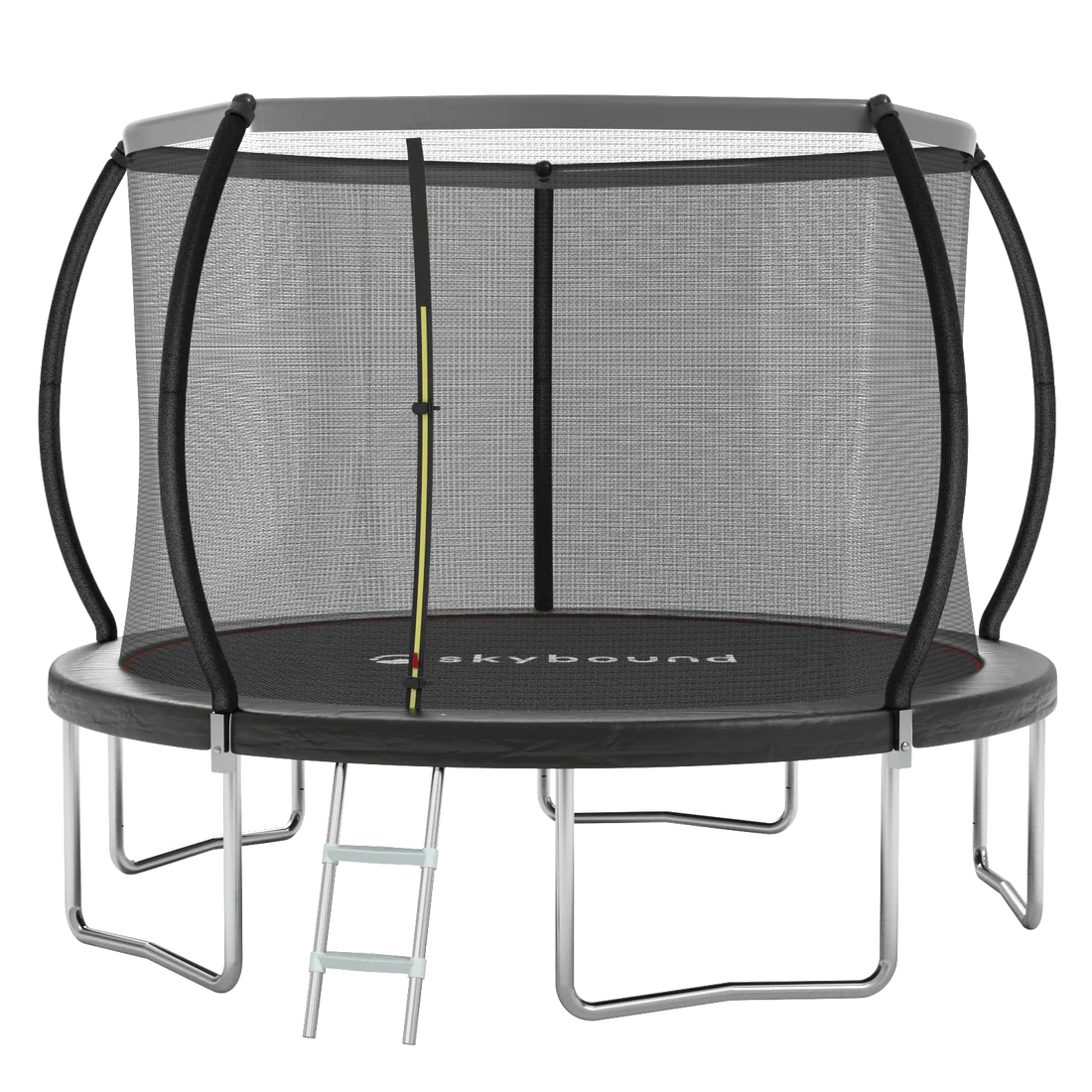
SkyBound StratosPro 12ft Trampoline

SkyBound StratosPro 12ft Trampoline

Who it’s best for: Smaller yards or families buying their first trampoline and wanting a safer, easier-to-place size.
Top 3 key features:

    • 12ft footprint fits more spaces
    • Stability-forward design
    • Good starter option for younger families

One honest drawback: Athletic kids may outgrow 12ft faster than you expect.
Mini verdict: The most practical “starter size” if space is limited.

What Do Customers Think?

Across typical trampoline buyer feedback patterns, satisfaction usually comes from stable frames, secure enclosures, and “once it’s up, it’s awesome” daily use. The most common frustrations are assembly time and sizing mistakes (too big for the yard or too small long-term).

Customer sentiment examples (paraphrased)

    • “Once it’s set up, it feels solid and the kids use it constantly.”
    • “Assembly took longer than expected, but it was worth it.”
    • “The enclosure feels secure, which made me more comfortable.”
    • “We should’ve measured clearance more carefully.”
    • “Springless feels different, but the kids adjusted.”

Is SkyBound Legit?

Yes—SkyBound is a legitimate trampoline brand with an established lineup and consistent best sellers. Most “bad experiences” happen from choosing the wrong size for the yard or rushing assembly.

Is SkyBound Worth It?

SkyBound is worth it if:
  • your kids will use it weekly
  • you have safe yard clearance
  • you’re buying for multi-season use
  • you’re willing to assemble carefully (or hire help)
It’s less worth it if:
  • you have limited space or nearby hazards
  • you dislike DIY and won’t get help
  • you rarely use backyard equipment

SkyBound vs Springfree

Springfree is a premium springless option. SkyBound tends to win on value and variety (sizes, spring vs springless). Springfree can win if you specifically want the premium springless ecosystem and are comfortable paying for it.

Discounts and Promotions

SkyBound often runs seasonal promos. Best strategy: choose size and model family first, then time your purchase around a promotion.

Where Can I Buy SkyBound?

SkyBound trampolines are sold primarily through the brand’s official online storefront and select retailers. If you’re buying your first trampoline, prioritize a seller with clear returns and warranty support.

FAQs:

1. What size SkyBound trampoline is best for most families?
14ft is often the best all-around size if your yard fits it; 12ft is better for tighter spaces.
2. Is springless safer than springs?
It can reduce spring pinch points, but overall safety depends more on enclosure, padding, setup, and rules.
3. How long does assembly take?
Plan several hours and ideally two adults—especially for 14–16ft.
4. Do I need a perfectly flat yard?
Flatter is better. Uneven ground increases wobble and frame stress over time.
5. Can adults use SkyBound trampolines?
Many models support teens/adults too—always follow weight limits for your model.
6. What’s the safest way to use a trampoline?
One jumper at a time, no flips unless trained, and regular checks on net/padding.
7. Do trampolines hold up in rain and sun?
They can, but UV and weather accelerate wear. Basic checks and debris removal help.
8. Is 16ft too big?
Not if you have clearance. It’s great long-term but demands space and rules.
9. What’s the best first SkyBound model?
A 12ft or 14ft StratosPro is usually the easiest starting point, depending on space.
10. Should I hire assembly help?
If you’re not confident about tensioning springs/bungees and installing the net correctly, yes.

Similar Brands You Might Like

ACON
Zupapa
Jumpzylla
Upper Bounce

Final Verdict

This SkyBound Trampoline review comes down to fit and setup. The brand’s best sellers are popular because they focus on the basics that matter—stable frames, enclosed safety-first use, and practical sizes.

Buy the right size, assemble carefully, and enforce simple rules—and it becomes one of the best “use-per-dollar” backyard purchases.