
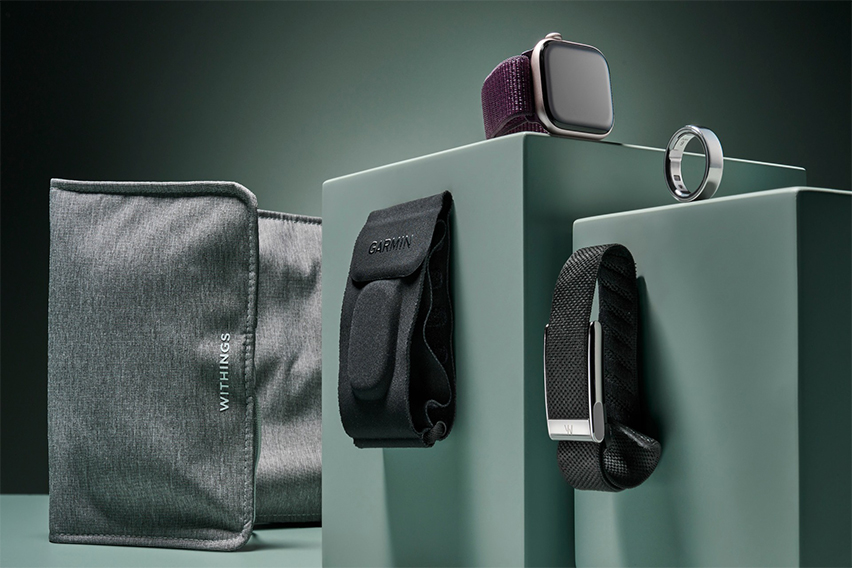
If you train regularly, recovery stops being a vague wellness buzzword and becomes something you actually feel. Some mornings you wake up ready to go. Other mornings your body feels flat, your sleep feels unfinished, and your workout suffers before it even starts. That is exactly why sleep trackers have become so popular with active people. They promise a clearer picture of how well you are recovering, how your sleep is trending, and whether your body is actually ready for more strain.
The tricky part is that the “best” sleep tracker for fitness recovery depends on what you want the tracker to do. Some products are best at collecting recovery data. Some are better at turning that data into coaching. And some, like bed-based systems, go a step further by trying to improve the conditions that affect recovery in the first place. That last category matters more than many roundups admit. A wearable can tell you your recovery is poor. It usually cannot cool your bed, reduce overheating, or make your sleep environment more comfortable.
For most people, the best dedicated sleep tracker for fitness recovery in 2026 is Oura Ring 4. It strikes the best balance between comfort, sleep insight, readiness-style feedback, and daily wearability. Oura positions Ring 4 around sleep, fitness, stress, and overall wellness, and the company’s recent materials emphasize both comfort improvements and deeper biometric tracking. If you are looking for the most athlete-focused recovery platform, WHOOP is still the stronger pick. And if your main goal is not just tracking recovery but actively improving sleep conditions, Eight Sleep Pod is the most compelling non-wearable alternative.
Quick picks
- Best overall: Oura Ring 4
- Best for athletes: WHOOP
- Best smartwatch option: Apple Watch
- Best non-wearable recovery sleep system: Eight Sleep Pod
- Best for Garmin users: Garmin Index Sleep Monitor
Best sleep trackers for fitness recovery at a glance
Product | Type | Tracks sleep | Recovery-focused insights | Actively improves sleep | Best for |
Oura Ring 4 | Smart ring | Yes | Yes | No | Best overall |
WHOOP | Recovery wearable | Yes | Yes | No | Best for athletes |
Apple Watch | Smartwatch | Yes | Yes | No | Best everyday smartwatch option |
Eight Sleep Pod | Smart sleep system | Yes | Yes | Yes | Best non-wearable sleep improvement system |
Garmin Index Sleep Monitor | Sleep armband | Yes | Yes, especially for Garmin ecosystem users | No | Best for Garmin users |
Our verdict
If you want the most balanced sleep tracker for fitness recovery, Oura Ring 4 is the best overall choice in 2026. It gives you strong sleep and readiness-style insights in a form factor that is much easier to wear overnight than a bulky watch, and Oura’s current positioning is clearly centered on sleep, fitness, stress, and health tracking. That combination makes it the most approachable recommendation for most active people.
If you are training hard and want a more coaching-heavy recovery platform, WHOOP is still the more performance-focused choice. WHOOP’s official materials continue to center the platform on sleep, strain, and recovery, and its recent support content emphasizes how recovery and strain should guide training decisions. Meanwhile, Apple Watch has become more relevant than it used to be thanks to sleep stages, a sleep score, and sleep apnea notifications on eligible models. And for people who care less about wearing a tracker and more about improving the sleep environment itself, Eight Sleep Pod deserves serious attention because it combines sleep tracking with active bed cooling and heating.
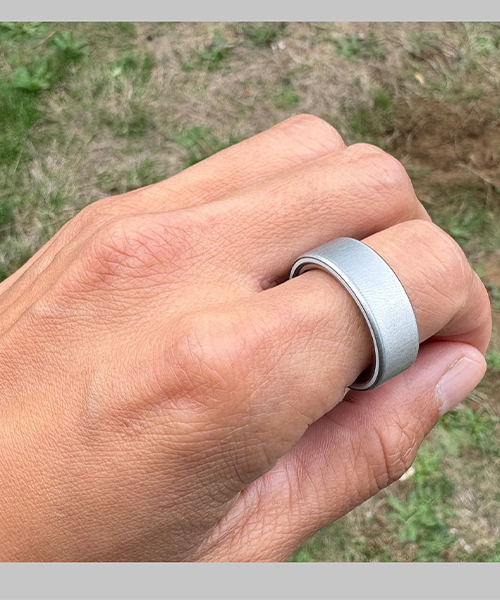
Oura Ring 4 gets the top spot because it is one of the few recovery trackers that feels realistic to wear every single night. That matters more than people think. A sleep tracker can have brilliant metrics, but if it is uncomfortable, bulky, or annoying enough that you stop wearing it, it stops being useful. Oura’s recent materials highlight Ring 4 as its most advanced sleep, activity, and health tracking ring, and the company’s newer product pages emphasize comfort improvements, recessed sensors, and a broad biometric feature set.
For fitness recovery, Oura makes the most sense for people who want to understand the relationship between sleep quality, stress, daily habits, and next-day readiness without turning their body into a full-time performance lab. It is especially good for spotting patterns over time. If late meals, alcohol, travel, overtraining, or inconsistent bedtimes are hurting your recovery, Oura is one of the clearest ways to see that. What it does not do is actively improve the sleep environment. It gives you insight, not intervention.
What I like
- Comfortable enough for overnight use
- Strong balance of sleep, recovery, and wellness tracking
- Easier to wear at night than most smartwatches
- Good fit for people who want patterns and readiness insight, not just raw numbers
What could be better
- Does not actively improve sleep conditions
- Better for awareness than direct sleep intervention
- Some very serious athletes may prefer a more coaching-heavy platform
Best for
- Most active adults
- People who want better sleep and recovery awareness
- Users who dislike sleeping in a watch
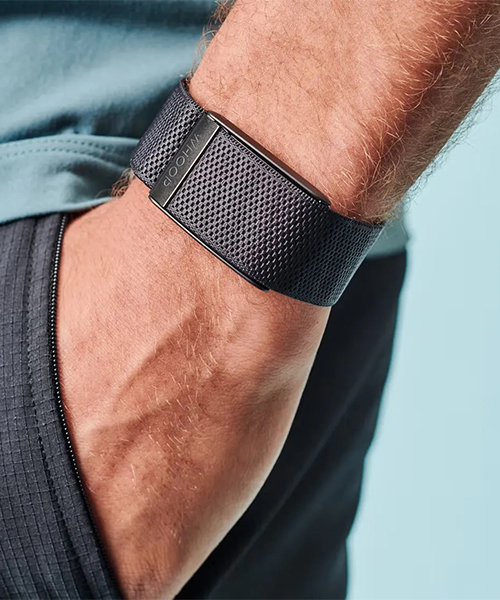
WHOOP is still the strongest choice for athletes who want their sleep tracker to live inside a broader performance and recovery system. WHOOP’s official site continues to frame the product around sleep, strain, and recovery, and recent support content explains recovery as a readiness measure tied directly to training decisions. WHOOP also continues to emphasize Sleep Performance, high sleep stress, strain guidance, and recovery-informed coaching in its current content.
That makes WHOOP especially useful if you are the kind of person who actually changes your training based on what the data says. If your recovery is poor, you might back off. If your recovery is strong, you push harder. That is where WHOOP is at its best. If you are not especially training-focused, though, it can feel more intense than necessary. For general fitness recovery, it is excellent. For everyday sleep improvement, it is not always the easiest or most relaxed experience.
What I like
- Built around sleep, strain, and recovery
- Strong performance coaching angle
- Excellent fit for people who train seriously
- Makes recovery data feel actionable rather than abstract
What could be better
- More niche than general wellness trackers
- Can feel too data-heavy for casual users
- Does not improve sleep conditions directly
Best for
- Athletes
- Endurance trainees
- Serious lifters
- People who want recovery data tied closely to training decisions
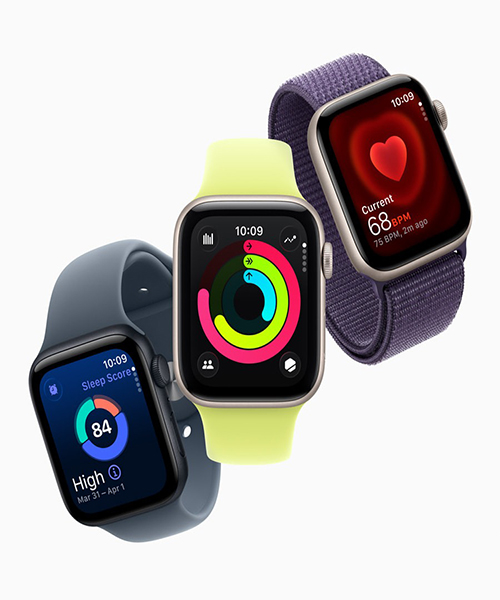
Apple Watch is not the most specialized sleep tracker here, but it is becoming a better recovery tool than many people realize. Apple’s current support materials say the Sleep app now shows sleep stages, recent sleep score, time asleep, and trends. On eligible models, Apple also supports sleep apnea notifications by monitoring breathing disturbances during sleep. That makes Apple Watch more than just a basic “hours slept” device now.
The reason it does not rank above Oura or WHOOP is simple: sleep is only one part of the Apple Watch experience. That is a strength and a weakness. If you want one wearable for workouts, calls, notifications, health alerts, and sleep, it is incredibly convenient. But if your number one priority is overnight comfort and recovery analysis, a ring or recovery-first wearable may still be the better fit. Still, for people already in the Apple ecosystem, it is one of the easiest recommendations on the board.
What I like
- Convenient if you already wear one every day
- Tracks sleep stages and sleep score
- Sleep apnea notifications add meaningful health value on supported models
- Strong all-around device beyond sleep
What could be better
- Less specialized for recovery than Oura or WHOOP
- Some people dislike wearing a watch to bed
- More general-purpose than sleep-first
Best for
- Existing Apple Watch users
- People who want one wearable for everything
- Buyers who value convenience over specialization
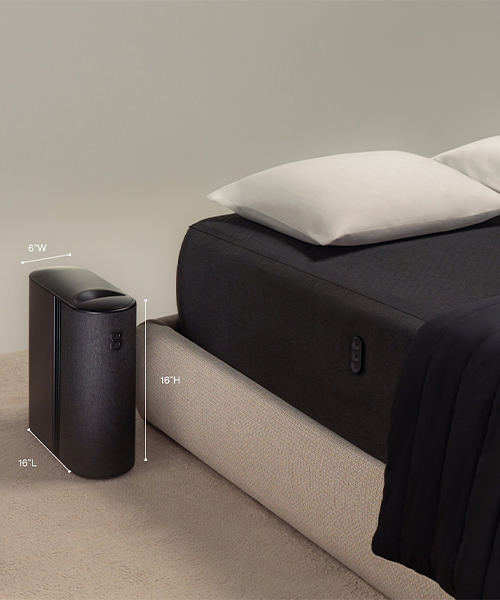
Eight Sleep Pod is not a wearable tracker, but it deserves a place here because it solves a problem most recovery trackers do not. It does not just monitor sleep. It actively changes the bed environment through heating and cooling. Eight Sleep’s current Pod lineup emphasizes non-wearable sleep tracking, dual-zone temperature control, automatic thermal adjustments, vibration and thermal alarms, and compatibility with almost any mattress. The brand also continues to market the Pod as a recovery-oriented sleep system.
This matters for fitness recovery because sometimes the issue is not a lack of sleep data. It is that you are physically uncomfortable at night. If you sleep hot, wake up because the bed feels wrong, or share a bed with someone who wants a totally different temperature, a wearable will only confirm the problem. Eight Sleep can potentially help address it. That is why it belongs in a recovery-focused sleep guide even though it is not a ring, strap, or watch.
What I like
- Tracks sleep without needing a wearable
- Actively improves the sleep environment
- Great for hot sleepers and couples
- More practical than a tracker if temperature is the real issue
What could be better
- Expensive
- Not a traditional wearable sleep tracker
- Best fit for people who are willing to invest heavily in sleep
Best for
- Hot sleepers
- Couples
- Athletes who want better sleep conditions, not just more recovery data
- People who hate wearing devices to bed
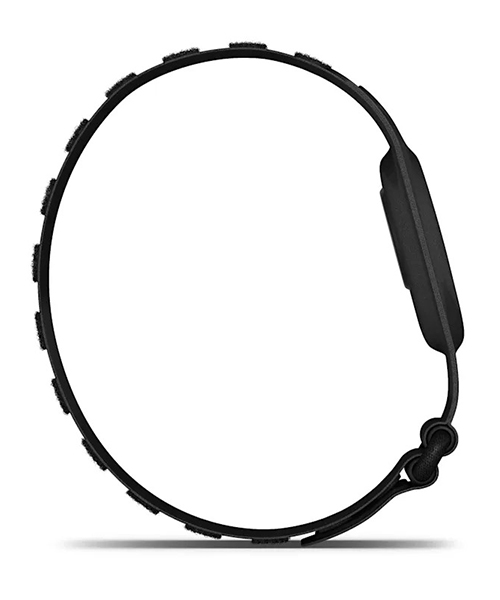
Garmin’s sleep tracking ecosystem has been strong for a while, but the Index Sleep Monitor gives Garmin users a more sleep-focused option that is designed specifically for overnight wear. Garmin’s support material says the Index Sleep Monitor can show overnight HRV graphs, nightly HRV average, and skin temperature data after several nights of continuous use. It also ties into Garmin’s broader HRV status ecosystem if you already have a compatible baseline from a Garmin wearable.
That makes it a smart choice for people already deep in the Garmin ecosystem. If you use Garmin for training, recovery, and readiness-style metrics, the Index Sleep Monitor can extend that picture overnight without making you rely entirely on a watch at night. It is not the most universal recommendation in this category, but for existing Garmin users, it is a much better fit than switching to a completely different ecosystem just for sleep.
What I like
- Built for overnight use
- Strong fit for the Garmin ecosystem
- Adds HRV and skin temperature context to sleep tracking
- Useful for people who already rely on Garmin for fitness data
What could be better
- Best value mainly for Garmin users
- Less mainstream than Oura, WHOOP, or Apple Watch
- More ecosystem-dependent than the top picks
Best for
- Existing Garmin users
- Athletes who already train inside Garmin Connect
- People who want more sleep-focused overnight data without changing platforms
What actually matters in a sleep tracker for fitness recovery?
This is where most people get distracted by feature lists.
Comfort matters
The best sleep tracker is the one you will actually wear every night. That is one reason rings have become so popular. If a device feels annoying in bed, long-term recovery trends become much harder to track consistently. Oura’s recent materials put a lot of emphasis on the comfort and fit improvements in Ring 4, which makes sense in this category.
Recovery context matters more than raw sleep duration
Anyone can tell you how many hours you slept. What recovery-focused users really care about is whether their sleep is translating into readiness, resilience, and better performance. WHOOP has built much of its product identity around that exact connection between sleep, recovery, and training load.
Environment still matters
This is the part many sleep-tracker roundups ignore. You can have excellent sleep analytics and still sleep badly if the bed is too hot or uncomfortable. That is why a non-wearable product like Eight Sleep can still belong in this conversation. It changes the environment that recovery depends on.
Ecosystem fit matters
A great sleep tracker can still be a bad purchase if it does not fit into the tools you already use. Apple Watch makes more sense if you already live in Apple’s ecosystem. Garmin Index Sleep Monitor makes more sense if Garmin is already your training platform. Oura makes sense if you want a more neutral, sleep-first wearable.
How I chose these picks
I looked at these products through a recovery-first lens and gave the most weight to:
- How useful the tracker is for understanding recovery, not just sleep duration
- Whether the device is realistic to wear or use every night
- Whether it helps connect sleep to readiness, stress, or training
- Whether it offers something distinct rather than duplicating another device
- How current official product materials position the product today
Who should buy what?
Choose Oura Ring 4 if…
You want the best overall mix of comfort, sleep insight, and recovery awareness.
Choose WHOOP if…
You train seriously and want a more coaching-heavy recovery platform.
Choose Apple Watch if…
You already wear one and want sleep tracking built into a device you use for everything else.
Choose Eight Sleep Pod if…
You want to improve sleep conditions, not just collect more recovery data.
Choose Garmin Index Sleep Monitor if…
You already use Garmin and want a sleep-specific extension of that ecosystem.
FAQ
What is the best sleep tracker for fitness recovery overall?
For most people, it is Oura Ring 4 because it offers a strong balance of overnight comfort, sleep insight, and recovery-oriented tracking without feeling overly complicated.
What is better for athletes: Oura or WHOOP?
WHOOP is usually the better fit for athletes who want recovery data tied directly to training and strain decisions. Oura is usually the better fit for people who want a more comfortable, general sleep-and-recovery tracker.
Is Apple Watch good enough for recovery tracking?
For many people, yes. Apple Watch now offers sleep stages, sleep score, and sleep apnea notifications on supported models, which makes it more capable than older versions. But it is still less specialized than Oura or WHOOP for recovery-focused users.
Can a sleep tracker actually improve recovery?
Indirectly, yes. It can help you spot trends, bad habits, and signs of poor recovery. But a tracker usually improves recovery by changing your behavior, not by changing your sleep environment. That is why some people pair a tracker with a system like Eight Sleep.
Do I need a wearable to track recovery?
Not always. Bed-based systems like Eight Sleep can track sleep without a wearable, and dedicated overnight devices like Garmin’s Index Sleep Monitor offer another alternative.
Final verdict
The best sleep tracker for fitness recovery in 2026 is Oura Ring 4 because it offers the most balanced combination of comfort, sleep insight, and recovery relevance for most people. It is easy to wear, clearly positioned around sleep and wellness, and strong enough to help active users understand how their habits and training affect recovery.
If you are an athlete who wants a more coaching-driven platform, WHOOP is the stronger pick. If you want the best all-purpose smartwatch option, Apple Watch is the easiest recommendation. And if your main issue is not missing data but poor sleep conditions, Eight Sleep Pod is the most compelling non-wearable alternative because it can actually change the environment your recovery depends on.
What do you think?