

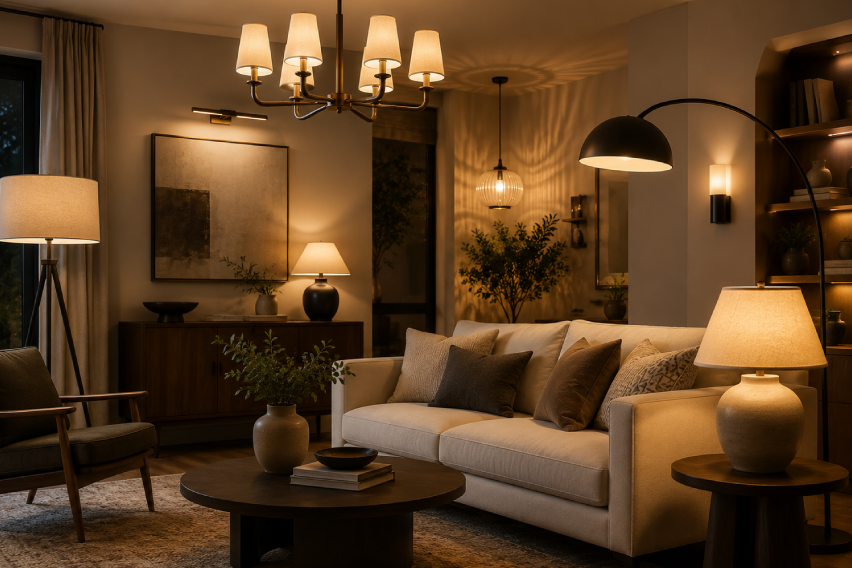
The specific transformation that good lighting makes to a room is difficult to articulate before experiencing it and immediately obvious after. The room that feels flat and institutional under a single ceiling light and warm and inviting under layered lamps is the same room — same furniture, same colours, same accessories. The lighting is the only variable, and yet it changes the entire character of the space.
Most homes are over-lit from above and under-lit at human level. The overhead light that provides even, flat illumination from a single source produces the quality of a waiting room in a domestic space. Lamps at table height and floor height that create pools of warm light at the level where people live are what makes a home feel like a home in the evening.
The three-layer approach that interior designers use consistently and that most homes don’t have:
Ambient lighting is the general room light — usually ceiling-based — that provides overall illumination. This is what most homes have and most homes stop at. Used alone, it produces flat light without atmosphere.
Task lighting is specific lighting for specific activities. A reading lamp. A desk lamp. An under-cabinet kitchen light. Task lighting serves a function beyond atmosphere and is the layer most often addressed in practical terms.
Accent lighting creates visual interest and atmosphere. A lamp that illuminates a dark corner. Shelf lighting that highlights books or objects. A floor lamp that creates a warm pool of light in a seating area. Accent lighting is what makes a room feel designed rather than simply illuminated.
The homes that look well-lit in the evening use all three layers simultaneously at different intensities. The ceiling light is dimmed or off. The lamps are providing the main illumination. The accent elements are adding warmth and visual interest. A dimmer switch on the ceiling light is the single most impactful change available for £15–25 — it allows transitioning between daytime and evening lighting without changing anything else.
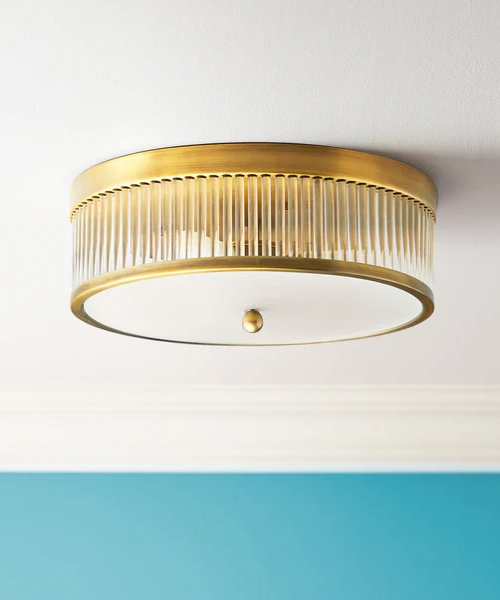
Available at: Pooky (pooky.com)
Best for: Those who want beautifully designed, carefully proportioned lamps for living rooms and bedrooms.
Pooky is the British lighting brand I’d recommend to anyone who has been buying lamps from generic home stores and wondering why the result never quite achieves the quality of the interiors they’re inspired by. The answer, I discovered, is that most generic home stores sell lamp bases and shades as separate, unrelated products in whatever combinations happen to be on the same floor. Pooky designs lamp bases and shades as coordinated collections where the proportions, materials, and aesthetic directions are calibrated together.
The result is a lamp that looks like a considered design decision rather than a functional object. The ceramic and glass bases in Pooky’s muted, thoughtfully selected palette — the specific dusty greens, warm terracottas, and layered creams that read as neither trendy nor generic — suit most contemporary residential aesthetics without requiring specific colour-matching.
The shade quality is above generic alternatives in the specific way that affects how a lamp looks when lit. The linen and cotton fabric shades that Pooky uses diffuse light in a warmer, more even way than plastic-laminated or synthetic alternatives. The warmth of the light through a quality fabric shade versus a cheap synthetic is immediately apparent and it’s the quality that makes a lamp look expensive rather than simply functional.
Pooky’s lamp bases and shades are sold separately, which allows mixing within the collection or with other pieces — but the in-house combinations are the recommended starting point because the proportions are designed to work together.
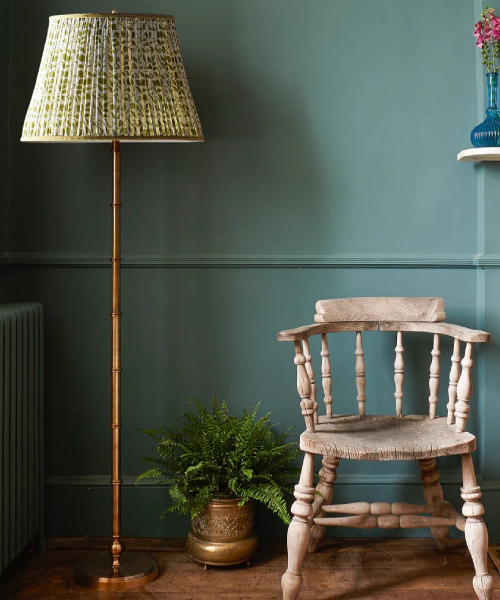
Available at: Pooky (pooky.com)
Best for: Those who want to add a warm pool of light to a living room corner and change the room’s evening atmosphere.
The Pooky floor lamp range applies the same design quality to standing lamps that their table range demonstrates. The specific value of a floor lamp in a living room corner is dual: it illuminates what’s otherwise a dark space — making the room feel larger and more complete — and it creates a warm pool of light at standing height that changes the room’s evening character.
A floor lamp in the corner of a living room opposite the main seating can be the change that makes the room feel finished. The corner that was dark and unoccupied becomes a warm focal point. The room reads as more thoughtfully considered because the lighting is more thoughtfully considered.
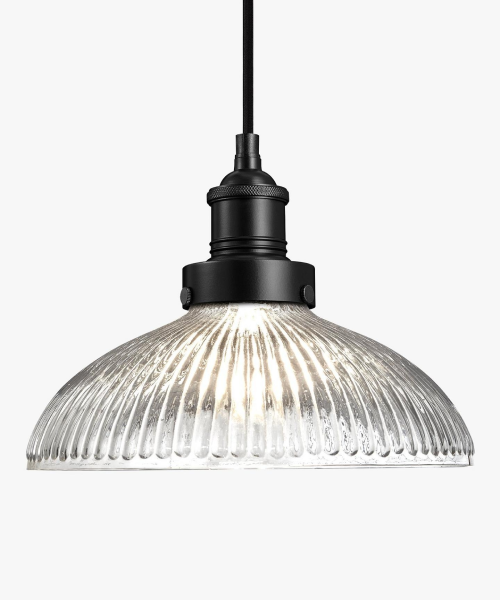
Available at: John Lewis (johnlewis.com), in stores
Best for: Those who want to see lamps in person before buying, those who want curated mid-range quality with a wide selection.
John Lewis’s own-brand and curated third-party lighting range represents the mid-range quality standard in the UK market. The selection is wider than Pooky’s catalogue and the quality at comparable prices is genuine — John Lewis curates their lighting range more carefully than most department stores and their own-brand pieces use materials appropriate to the price.
The specific John Lewis advantage for lighting: the ability to see lamps in person before buying. Colour, scale, and the quality of light through a shade are variables that product photography consistently misrepresents. The retail display advantage allows assessing these variables before purchasing rather than after delivery.
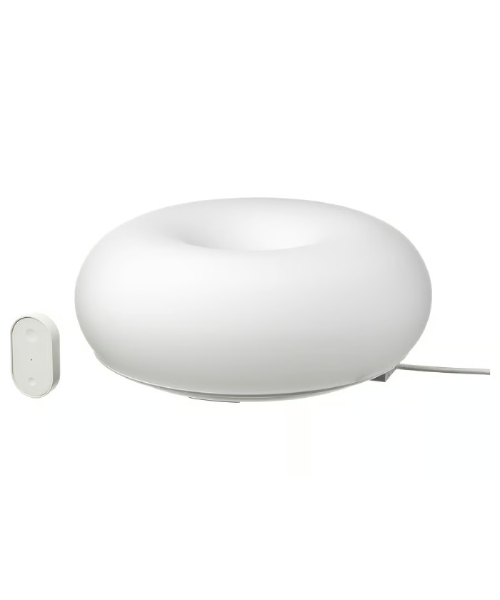
Available at: IKEA stores and online (ikea.com)
Best for: Those who want quality lighting infrastructure at genuinely accessible prices.
IKEA produces lighting at prices that make building the accent layer of a home’s lighting system financially accessible. The RANARP series, the TRÅDFRI smart lighting system, and their floor and table lamp ranges provide genuine lighting quality at prices that allow experimenting with placement and layering without the financial commitment of premium alternatives.
The TRÅDFRI smart lighting system deserves specific mention: controllable colour temperature and brightness from a phone or switch, compatible with major smart home platforms, and available at a fraction of Philips Hue pricing. For those who want to implement the layered lighting approach across multiple rooms without premium smart lighting investment, TRÅDFRI is the most accessible entry.
Install a dimmer switch on the ceiling light first. This single change costs £15–25 and a thirty-minute installation and allows the room to transition between task-level daytime illumination and atmosphere-level evening illumination. The room with a dimmer switch and the same lamps as before feels completely different from the room with an on-off ceiling light and better lamps.
Change the bulb colour temperature. Most homes use 4000K (cool white) bulbs throughout. Changing to 2700K (warm white) bulbs in living rooms and bedrooms immediately warms the quality of the light and changes the feeling of the room in the evening. The bulb cost is trivial. The difference is immediate.
Add one lamp where there was none. The room with one lamp that wasn’t previously there feels different from the room where the lamp has been replaced with a better version. Adding to the lighting rather than upgrading it is often the more impactful change.
Lighting is the room element with the highest transformation-to-cost ratio and the one most consistently underinvested during home furnishing. Pooky is the specific brand that produces the quality and design consideration that makes the difference between a room that looks designed and one that looks assembled. The layered lighting approach — ambient, task, and accent used simultaneously at appropriate intensities — is what produces the rooms that feel warm and inviting in the evening. A dimmer switch and one quality lamp are the minimum changes that make an immediate difference. Invest in the lighting — it changes how you feel about every room you spend time in.