
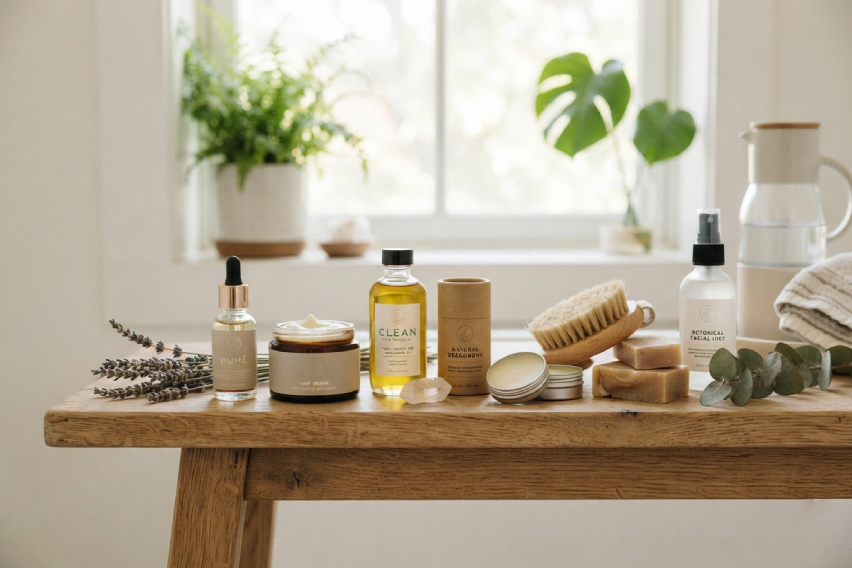
Clean beauty is a marketing term without a legal definition, which is why it’s used across products that range from genuinely formulated-with-intention natural products to products whose only qualification is the absence of a single flagged ingredient from an otherwise conventional formulation. Understanding what clean beauty actually means — and which products earn the label — is the starting point for buying intelligently in this category.
Clean beauty, in its most meaningful interpretation, means: formulated without ingredients with meaningful evidence of harm at normal use concentrations; transparent about ingredients and their sources; committed to safety across the full ingredient list rather than around one or two flagged materials.
The EWG (Environmental Working Group) Skin Deep database provides ingredient-level safety ratings that allow assessment beyond marketing language. A genuinely clean product scores well across its full formulation, not just in the headline ingredients highlighted on the packaging.
The honest caveat: “natural” doesn’t mean safe, and “synthetic” doesn’t mean harmful. Poison ivy is natural. Many synthetic ingredients are among the safest and most effective available. The relevant question is not natural versus synthetic but safe, effective, and appropriately formulated.
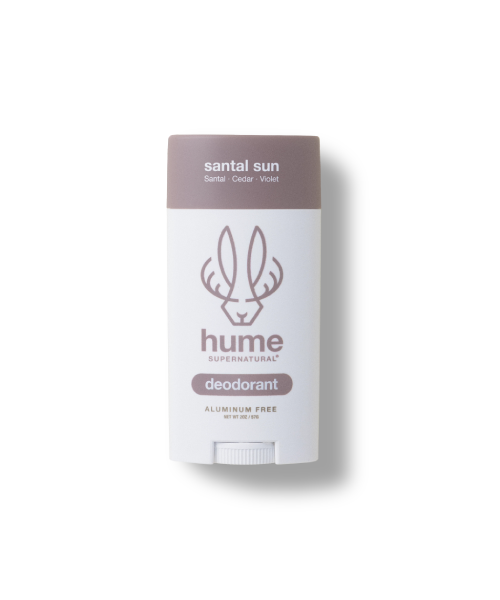
Available at: Hume Health (humehealth.com)
Best for: Those transitioning from conventional antiperspirant who want effective performance without compromising on ingredient standards.
Hume’s deodorant is the clean beauty product recommendation in the deodorant category for its specific combination of formulation intelligence and actual performance — the product that most successfully addresses the typical natural deodorant performance deficit at a price that’s lower than most conventional alternatives.
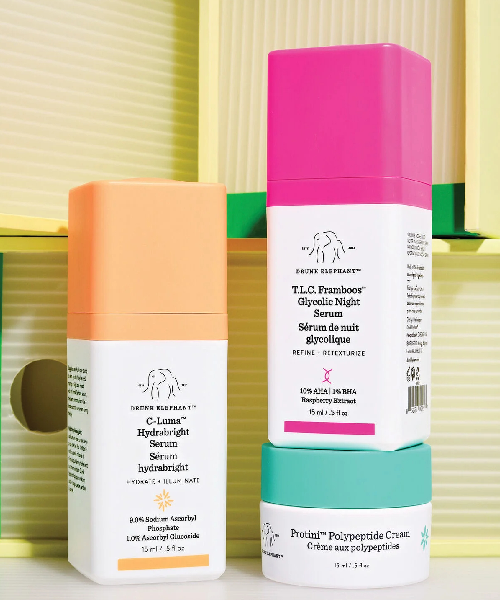
Available at: Drunk Elephant (drunkelephant.com), Sephora, Nordstrom
Best for: Those who want clean-formulated skincare with clinical ingredient efficacy.
Drunk Elephant’s formulation philosophy — avoiding the “Suspicious 6” (essential oils, drying alcohols, silicones, chemical sunscreens, fragrances, and SLS) while using clinically active ingredients — produces a clean formulation standard that doesn’t compromise on ingredient efficacy. The T.L.C. Framboos serum and the B-Hydra moisturiser are the starting recommendations.
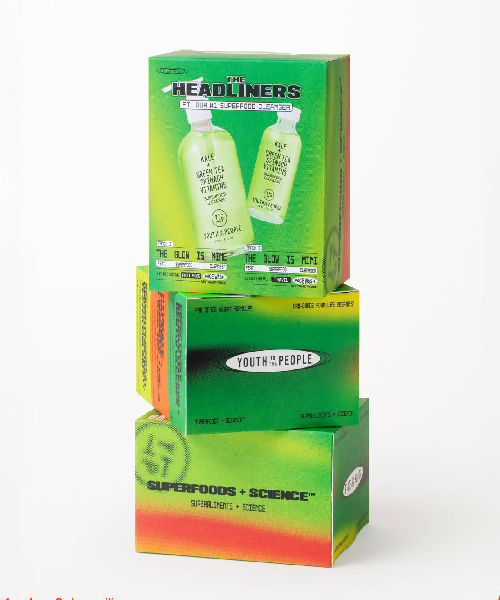
Available at: Youth to the People (youthtothepeople.com), Sephora, Target
Best for: Those who want superfood-ingredient skincare at accessible prices.
Youth to the People uses kale, green tea, spinach, and other high-antioxidant botanicals in their formulations — the antioxidant ingredient approach that addresses skin cell protection from environmental damage. The Superfood Face Wash at $38 is the most frequently recommended starting point — a gentle cleanser with antioxidant ingredients that suits most skin types.
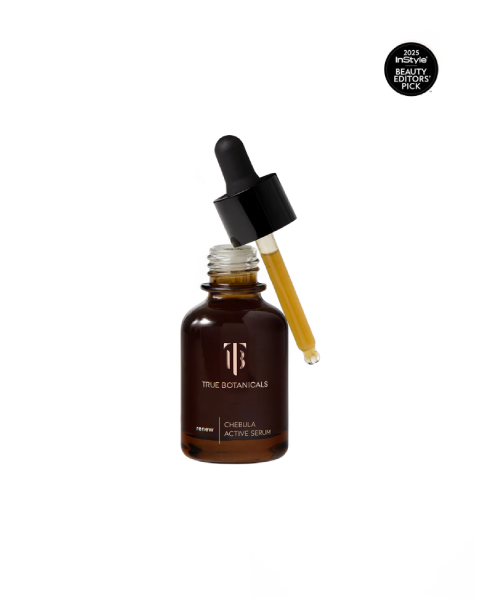
Available at: True Botanicals (truebotanicals.com)
Best for: Those who want the most rigorously formulated, clinically tested clean skincare at luxury quality.
True Botanicals has the most rigorous clean formulation standards of any accessible luxury skincare brand — every ingredient sourced with transparency, tested with clinical trials rather than simply formulated with intention. The Vitamin C Booster and the Calm Pure Radiance Oil are the products most consistently recommended by dermatologists who evaluate clean skincare brands.
Sunscreen is the single skincare product with the most evidence-backed impact on skin health and the product most often inadequate in clean beauty applications — many natural sunscreen formulations leave significant white cast and don’t achieve consistent SPF coverage. The mineral sunscreen options (zinc oxide and titanium dioxide) are the genuinely clean alternatives to chemical filters and have improved significantly in wearability — EltaMD UV Clear and Supergoop Unseen Sunscreen are the most frequently recommended clean mineral options that also wear well under makeup.
Clean beauty is worth pursuing when it means formulated with genuine ingredient safety standards and clinical efficacy — not simply marketed with the language of naturalness while delivering conventional formulations. Hume provides the clean standard in the deodorant category. Drunk Elephant provides it in skincare with clinical efficacy. Youth to the People provides it at accessible prices. And True Botanicals provides it at the luxury end with the most rigorous testing. In every case, use the EWG Skin Deep database to verify that the “clean” marketing reflects the actual formulation standard rather than aspirational language.