

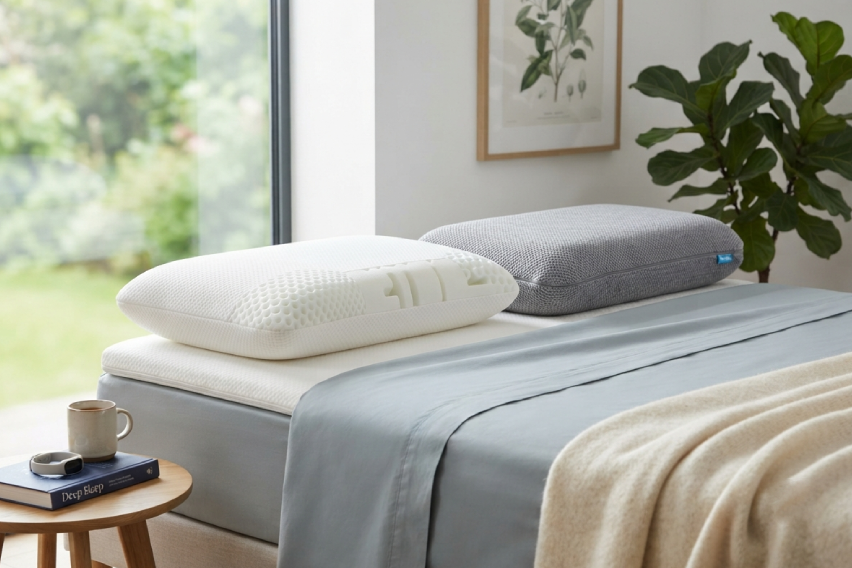
Sleep is the health variable that most affects every other health variable — physical recovery, cognitive performance, emotional regulation, immune function. The research on this is consistent. The specific things you can do to improve sleep quality are more limited than the sleep product industry suggests, but the things that do work genuinely transform how you feel daily.
Here are the products that produce real, sustained improvement in sleep quality — and the honest explanation of why they work.
Sleep products can address: sleep surface quality (mattress and bedding), sleep position and spinal alignment (pillow and mattress specification), sleep environment temperature (bedding materials), and sleep environment conditions (darkness, sound). These are genuine variables in sleep quality that appropriately chosen products address.
Sleep products can’t address: sleep anxiety, underlying medical conditions, inconsistent sleep schedules, or caffeine and alcohol consumption that disrupts sleep architecture. The best mattress in the world doesn’t improve sleep disrupted by midnight caffeine and 2am phone use.
With that honest caveat established: when the behavioural and environmental conditions are appropriate, the right sleep products make a measurable difference.
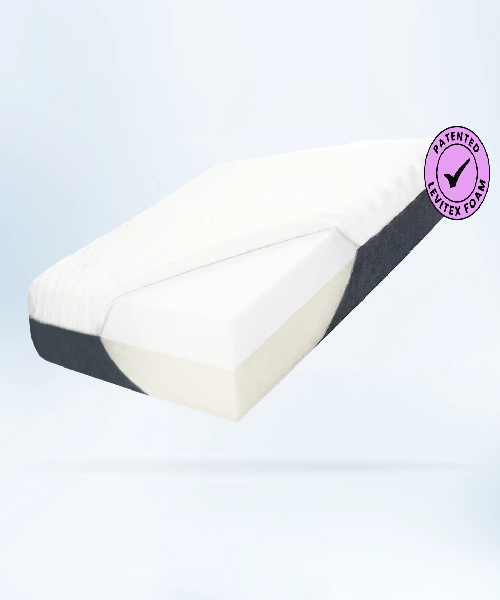
Available at: Levitex (levitex.co.uk)
Best for: Those with back pain, neck ache, or anyone who has found comfortable mattresses don’t prevent morning discomfort.
Levitex was designed by a rehabilitation specialist specifically around spinal alignment. The Gravity-Defying Mattress uses foam engineered to distribute body weight evenly rather than allowing pressure point areas to sink — the distinction from standard memory foam that produces the specific benefit for back and joint concerns.
The clinical rationale: the lower back curvature during sleep is maintained most effectively by a sleep surface that supports the spine in neutral alignment rather than allowing the heaviest body parts to sink and create a curve. The Levitex foam’s consistent support across the sleep surface is the specific engineering decision that produces better mornings for those whose back issues are related to sleep surface alignment rather than other causes.
After one year of use: the back ache that had characterised mornings for years significantly reduced within the first two weeks of sleeping on the Levitex mattress and has not returned. This is consistent with the clinical design intent and consistent with user reports across Levitex reviews.
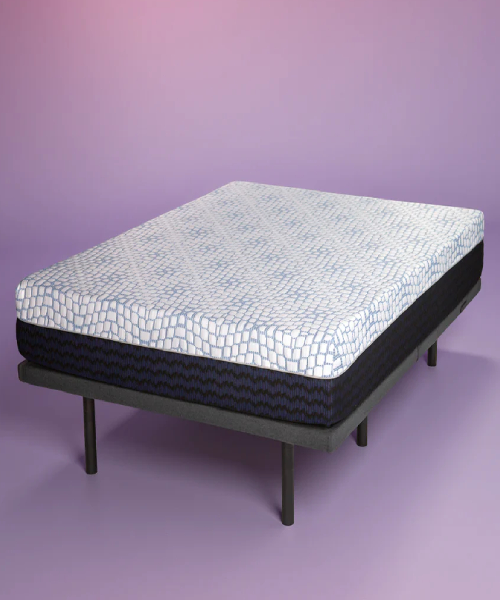
Available at: Simba Sleep (simbasleep.com)
Best for: Warm sleepers, those who wake through the night from overheating, couples with different temperature preferences.
The Simba Hybrid Pro uses Simbatex open-cell foam that manages temperature more effectively than standard memory foam — the material responds to body temperature rather than maintaining a fixed warmth at the sleep surface. Combined with the Aerocoil micro-spring layer, the mattress provides pressure relief without the heat retention that makes dense memory foam problematic for warm sleepers.
The 200-night trial removes the risk from the purchase — the most generous trial period in the mainstream mattress market. Use it fully: the mattress assessment should be made after the two to three week adjustment period, not during it.
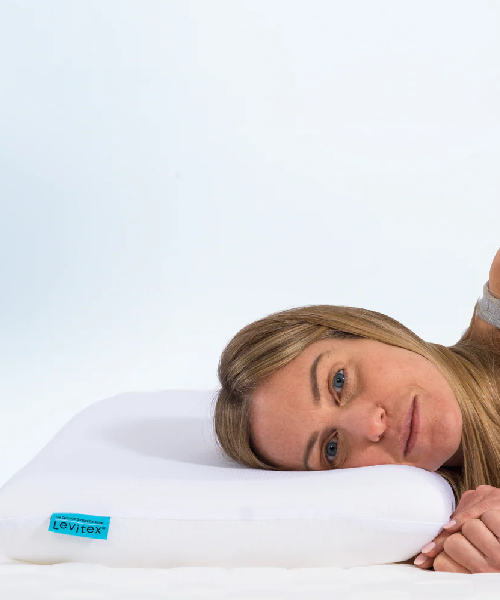
Available at: Levitex (levitex.co.uk)
Best for: Those who wake with neck ache regardless of sleep position or pillow type previously tried.
The Levitex pillow is designed specifically around the clinical goal of maintaining cervical spine alignment during sleep. The graduated support structure — more support at the neck than at the head — keeps the cervical spine in the same neutral alignment that the mattress maintains for the rest of the spine.
The pillow doesn’t feel significantly different from other pillows. The difference is experienced in the morning: the specific neck stiffness that most pillows don’t prevent is absent after the adjustment period of approximately one to two weeks.
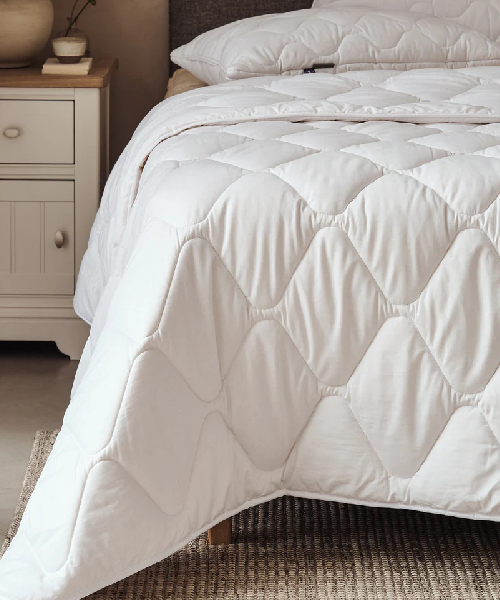
Available at: The Wool Room (thewoolroom.com)
Best for: Warm sleepers who experience night sweats or clammy warmth with synthetic alternatives.
The wool duvet’s temperature regulation properties — the ability to absorb moisture and release it rather than trapping it — is the specific health-adjacent benefit that makes The Wool Room duvet a sleep health product recommendation rather than simply a bedding preference. The disrupted sleep produced by thermal discomfort during the night is a measurable sleep quality issue, and the wool duvet addresses it more effectively than synthetic alternatives.
Darkness: complete darkness produces better sleep quality than light in any form. Blackout curtains or a quality sleep mask are among the lowest-cost sleep quality interventions available. A good blackout blind costs £30–60 and produces immediate improvement in sleep onset and overnight waking.
Temperature: the optimal sleep environment temperature for most adults is 65–68°F (18–20°C). A room that’s too warm is one of the most common contributors to disrupted sleep — the body’s core temperature drops during sleep and the environment needs to support this drop rather than maintain warmth.
Sound: consistent background sound (white noise, brown noise, or a fan) is more conducive to sustained sleep than intermittent quiet — the specific quiet that’s broken by external sounds disrupts sleep more than consistent background sound that masks intermittent noise.
The sleep health products worth buying address specific, identifiable sleep quality variables. Levitex addresses spinal alignment for those whose back and neck ache is sleep-surface related. Simba addresses temperature management for warm sleepers. The Levitex pillow addresses cervical alignment specifically. And The Wool Room duvet addresses thermal comfort for those whose synthetic duvets are producing overnight temperature disruption. Address the environment first — darkness, temperature, and sound at minimal cost — and invest in the specific sleep product that addresses the identifiable remaining issue.