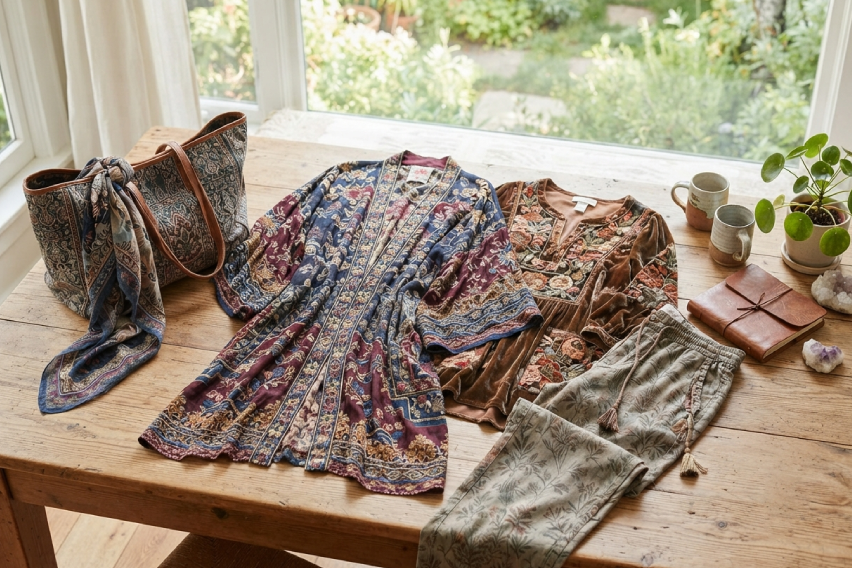
Johnny Was occupies a specific position in the American fashion market that few brands manage successfully: genuinely artisan-quality clothing at accessible luxury prices, with a design language distinctive enough to be recognisable without being costume-like. The embroidery, the silk blouses, the printed velvet — these are not the elements of a brand trying to approximate a style. They’re the signature of a brand that has been developing its specific aesthetic for decades.
Here is the honest assessment of what Johnny Was does well, what warrants the price, and how to buy from the brand intelligently.
Here is the honest assessment of what Johnny Was does well, what warrants the price, and how to buy from the brand intelligently.
The brand’s customer is a woman who wants clothing that’s unambiguously beautiful in its craft and distinctive in its aesthetic — not trend-driven, not minimalist, not designed to disappear into a capsule wardrobe. Johnny Was clothing is meant to be seen and to make the person wearing it feel that they’re wearing something genuinely special.
This is the context in which the price makes sense. A $300 Johnny Was silk blouse is not expensive for a silk blouse with hand-guided embroidery. It’s expensive relative to fast fashion and correctly priced relative to comparable artisan-quality alternatives.
Available at: Johnny Was (johnnywas.com), Nordstrom, Johnny Was retail stores
Best for: Those who want a genuinely distinctive piece of clothing with artisan embroidery quality that reads as special without requiring occasion dressing.
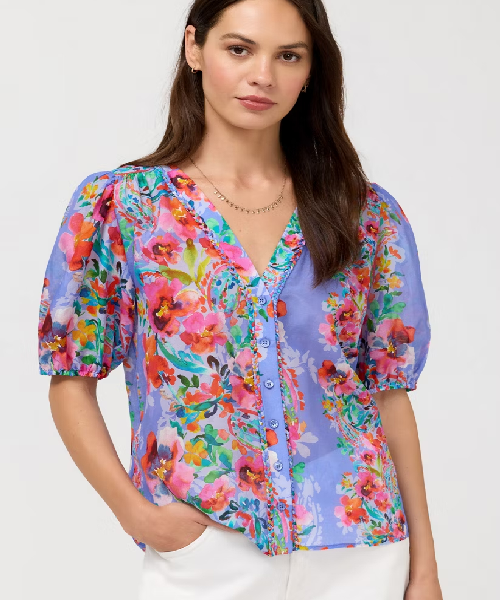
The embroidered silk blouse is the piece most associated with Johnny Was and the one that most clearly justifies the brand’s reputation. The silk charmeuse fabric drapes in the specific way that synthetic alternatives don’t — with weight and movement that changes how the garment wears throughout the day, responding to the body’s movement rather than maintaining a fixed shape.
The embroidery quality is the specific detail that separates Johnny Was from brands that use printed embroidery approximations rather than actual embroidery thread work. The thread sits above the fabric surface, has texture when touched, and catches light differently than the fabric beneath — the specific quality that makes an embroidered garment read as crafted rather than merely printed.
After multiple washes (hand wash cold, lay flat to dry, as directed): the silk has not lost its drape, the embroidery threads have not pulled or faded, and the colour has maintained. This is the appropriate outcome for a silk garment washed correctly. The care requirement is real — this is not a machine-wash-and-forget piece — but the return on that care is a garment that lasts years rather than seasons.
Available at: Johnny Was (johnnywas.com), Nordstrom
Best for: Those who want a printed velvet layer that works across dressing levels from casual to evening.
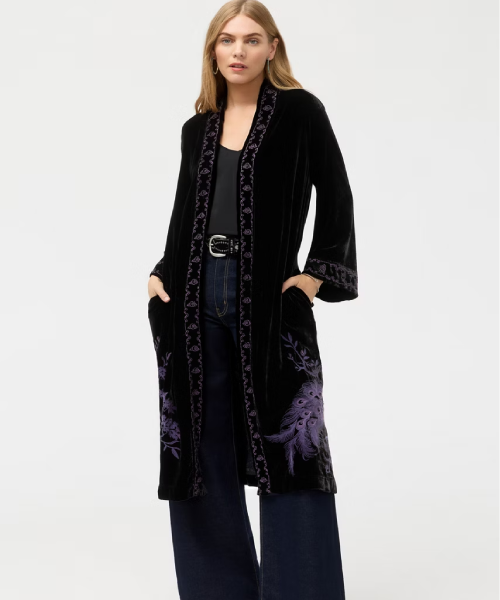
The Johnny Was velvet kimono is the piece that most consistently changes an existing wardrobe without requiring new purchases around it. A velvet kimono worn over jeans and a simple top elevates the overall look in a way that adding another casual layer doesn’t. Worn over a dress for an evening occasion, it extends the dress’s wearability into cooler temperatures without the formality of a jacket.
The printed velvet is a material that Johnny Was has used across multiple collections in patterns that are sophisticated without being difficult to wear. The floral and botanical prints in jewel tones — burgundy, teal, deep olive — suit a wide range of colouring and complement rather than compete with most existing wardrobe pieces.
Available at: Johnny Was (johnnywas.com), Nordstrom, select department stores
Best for: Those who want to experience Johnny Was quality without a full garment investment.
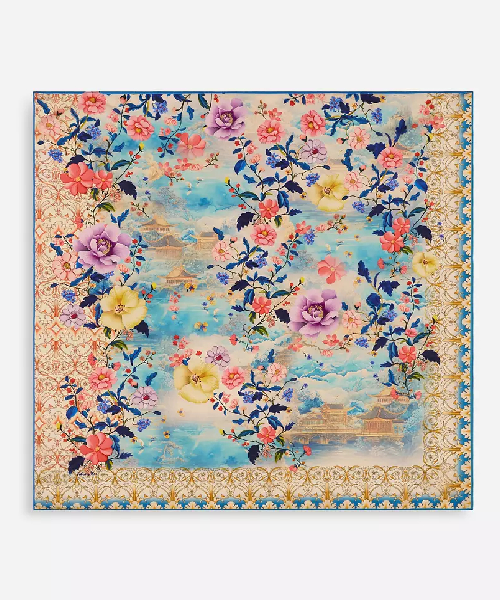
The silk scarf is the most accessible Johnny Was purchase — the entry point that delivers the brand’s silk quality and distinctive print aesthetic at a price that makes the first purchase low-risk. The scarves use the same silk charmeuse as the blouses and carry the same print quality.
The specific styling versatility of the Johnny Was silk scarf: worn as a neck scarf, tied to a bag handle, used as a headband, or draped over the shoulders as an additional layer. The specific print quality means any of these uses looks intentional rather than improvised.
Available at: Johnny Was (johnnywas.com), Nordstrom
Best for: Those who want casual outerwear with the Johnny Was embroidery signature.
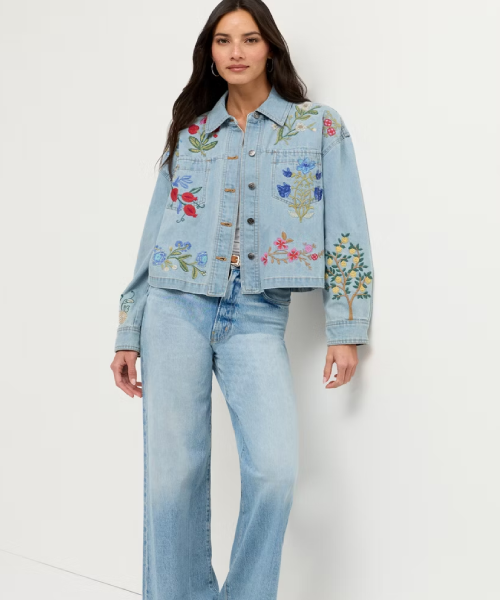
The embroidered denim jacket applies Johnny Was’s embroidery signature to the most versatile casual outerwear piece — the denim jacket that works over dresses, with jeans, or layered in cooler weather. The embroidery on the back and sleeves transforms the denim jacket from a functional layering piece into a garment with genuine personality.
For those who don’t want the full silk blouse commitment but want a Johnny Was piece that suits daily casual dressing, the embroidered denim jacket is the appropriate starting point.
Johnny Was is not inexpensive and the price is worth understanding before buying. The silk blouses at $200–350 are correctly priced for genuine silk with artisan embroidery. The velvet kimonos at $228–398 are correctly priced for quality velvet with the print and construction quality the brand produces.
The comparison to fast fashion prices is not the right comparison. The comparison to other artisan-quality clothing at similar price points is — and at that comparison, Johnny Was represents genuine value. A $300 silk blouse from Johnny Was that’s worn and cared for correctly for five years has a lower cost-per-wear than a $50 synthetic blouse replaced three times in the same period.
The care requirements are real. Silk requires hand washing or dry cleaning. Velvet requires gentle care to maintain the pile. These are not garments that suit a throw-everything-in-the-machine approach. If that care requirement is genuinely incompatible with how you manage your wardrobe, the Johnny Was investment is not the right investment regardless of how beautiful the garments are.
Johnny Was is worth buying for those who want genuinely distinctive clothing with artisan embroidery and fabric quality that rewards close attention and correct care. The embroidered silk blouse is the signature piece — the one that most clearly demonstrates what the brand does well and why the price is justified. The velvet kimono is the most versatile layer purchase. The silk scarf is the accessible starting point. And the embroidered denim jacket is the casual piece that brings the Johnny Was aesthetic into everyday dressing. Buy with the care requirements in mind, and Johnny Was pieces become the garments you wear for years and never feel done with.