

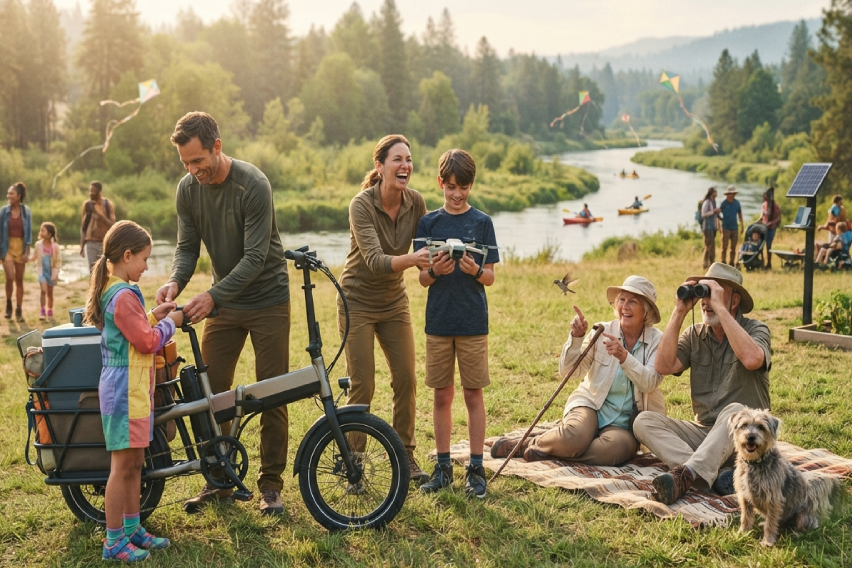
The research on outdoor time for children is consistent: more outdoor time produces better outcomes across multiple dimensions of child development — physical, cognitive, emotional. Most parents know this and most families still spend less outdoor time than they intend to, for the same reason that most people’s intentions and actions diverge: the path between intention and action has friction that the intention doesn’t account for.
The outdoor time that happens reliably is outdoor time where the friction has been reduced — where the gear is ready, where the destination is accessible, where the activity has a structure that makes starting easy. This guide is about reducing that friction.
The outdoor activity that happens reliably is the outdoor activity that’s the default rather than the plan. A weekend bike ride that requires deciding to go, finding the bikes, checking tyres, and agreeing on a route is a weekend bike ride that happens sometimes. A weekend bike ride that happens because the bikes are ready, the route is known, and the habit is established happens most weekends.
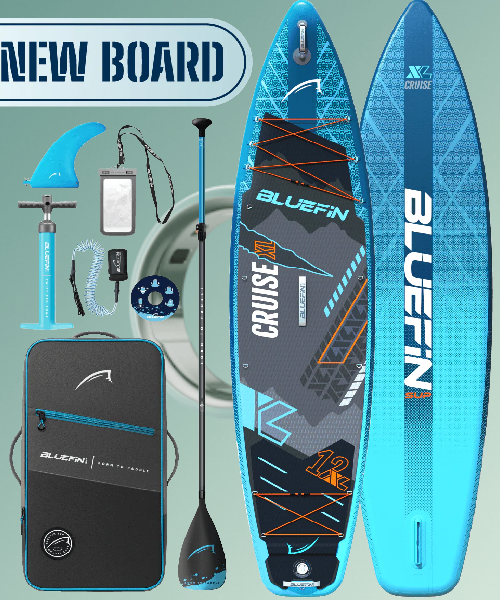
Equipment that’s accessible and ready is the friction-reducer that makes the difference between outdoor activities that happen and those that are repeatedly intended. The paddleboard that’s in the car boot ready to go is the paddleboard that gets used. The paddleboard that requires pulling out of the garage, finding the pump, and locating the paddle gets used less often.
Available at: Bluefin SUP (bluefinboard.com)
Best for: Families near water who want to convert accessible water into regular outdoor family time.
The Bluefin Cruise paddleboard changes the relationship with nearby water from ‘we could go there’ to ‘we’re going there.’ The inflatable format — packed in the car, ready in fifteen minutes — removes the activation energy from the outdoor water activity that hard boards and rental approaches don’t remove as effectively.
The specific habit that the board enables: knowing the nearest accessible paddling water and having it as the default weekend outdoor destination for any Saturday when the weather is suitable. Over a summer of this habit, the paddleboarding becomes one of the family’s defining outdoor activities rather than something tried once on a holiday.

Available at: Zupapa (Amazon), SkyBound (skyboundusa.com)
Best for: Families with garden space who want outdoor physical activity to be the children’s default rather than an organised decision.
The garden trampoline is the outdoor investment that converts outdoor time from a decision to a default. Children with a trampoline outside go outside. The outdoor time is not organised family time — it’s independent outdoor time that happens because the reason to be outside is available.
Over a year of having a trampoline, the total outdoor time increase in our household was measurable. The children spent less time in front of screens on weekday afternoons because the trampoline was the more appealing option. This is the specific return on a trampoline investment that justifies the price across multiple years of use.
Available at: Mike’s Bikes (mikesbikes.com)
Best for: Families who want a full-day outdoor activity that covers territory and produces genuine accomplishment.
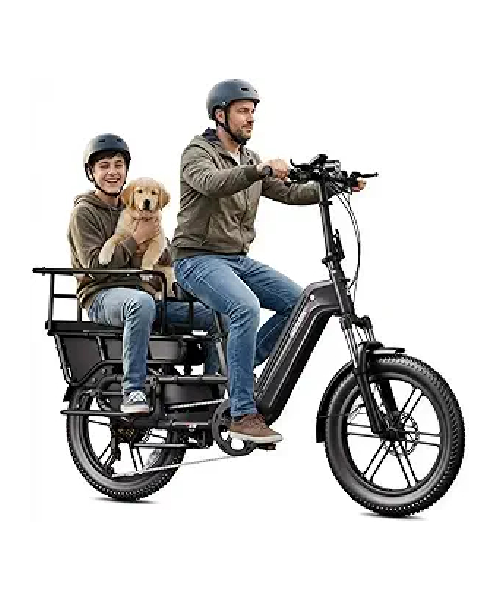
Family cycling is the outdoor activity that covers the most ground and produces the most distinct sense of accomplishment of any accessible family activity. A day on a family cycling trail — twenty to thirty miles at a pace appropriate for the youngest rider — produces a different kind of family memory than a shorter, local activity.
The investment required for family cycling is not trivial — quality bikes for adults, provision for younger children, the cycling infrastructure knowledge of appropriate routes. But the return is years of family cycling that develops as the children develop — from easy towpath routes when young to longer and more challenging routes as they grow.
Available at: Solo Stove (solostove.com)
Best for: Families who want to extend outdoor time into the autumn and into evenings.
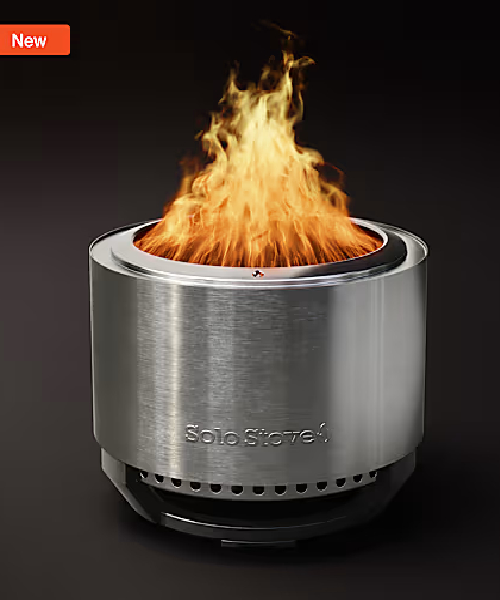
The Solo Stove Bonfire extends the outdoor season by making autumn evening garden time genuinely appealing rather than something that requires specific motivation. The fire provides the warmth and the focal point that makes sitting outside at 8°C on an October evening preferable to going inside.
The specific behaviour change: families who have a garden fire have more outdoor autumn evenings. The barrier to outdoor time is lowered when there’s a warm, interesting reason to be outside. The Solo Stove provides this reason with significantly less smoke than conventional fire pits, making the experience comfortable rather than requiring periodic smoke escape.
Make outdoor time the morning default. The family that walks, cycles, or paddles before any indoor activities in the morning on weekends establishes outdoor time as the first priority rather than the unfulfilled intention at the end of the day.
Have the gear accessible rather than stored. The paddleboard bag in the car boot rather than in the garage. The bikes with tyres already inflated. The trampoline visible from the house. Accessible gear gets used more than stored gear.
Make the outdoor activity the plan, not the alternative. ‘Saturday we’re going paddleboarding’ rather than ‘if we have time on Saturday.’ The outdoor time that’s planned as the primary activity happens. The outdoor time that depends on having time available after other things get done often doesn’t.
Include a food element. A picnic, a post-walk pub, a barbecue at the end of a paddleboarding session — the food element that ends an outdoor activity is a motivator for beginning it. The specific prospect of eating outside after doing something active produces enthusiasm for both components.
The outdoor time that happens is the outdoor time that’s been made accessible. The Bluefin paddleboard converts nearby water into a regular destination. The Zupapa trampoline makes the garden the default for independent children’s outdoor time. Family bikes convert outdoor cycling from an occasion to a regular weekend activity. And the Solo Stove extends outdoor time into seasons that indoor comfort would otherwise end earlier. The equipment doesn’t motivate the outdoor time — but it removes the friction that prevents the outdoor time from happening despite the motivation that’s already there.