The Yoto Player arrived in our house during a specific period when I was actively looking for screen-free entertainment options for the children — the kind of device that provides genuine engagement without the screen exposure concerns that apply to tablets and television.
Two years later, the Yoto Player is the most consistently used piece of technology in our home. My children use it daily, often for two to three hours across the day, and it has produced no anxiety about screen time because there is no screen. Here is the honest assessment of what it is, what it isn’t, and whether it’s worth buying.
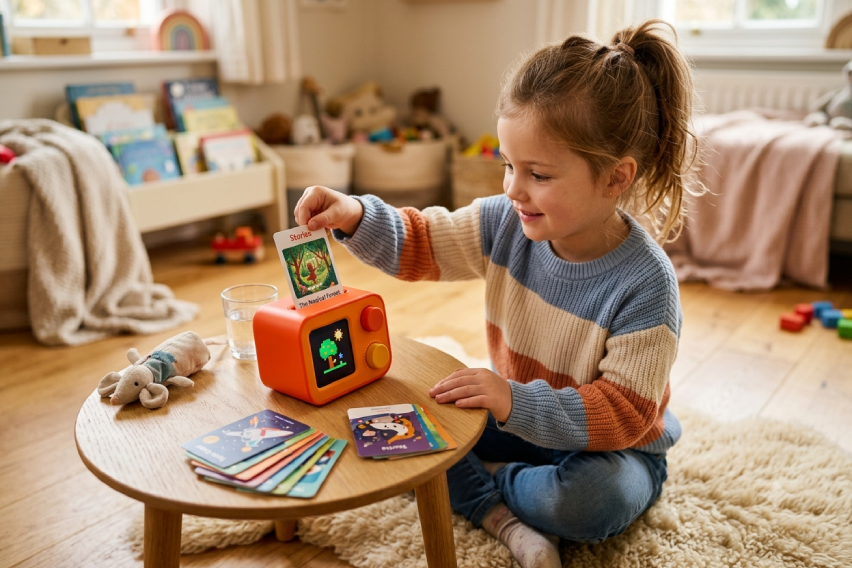
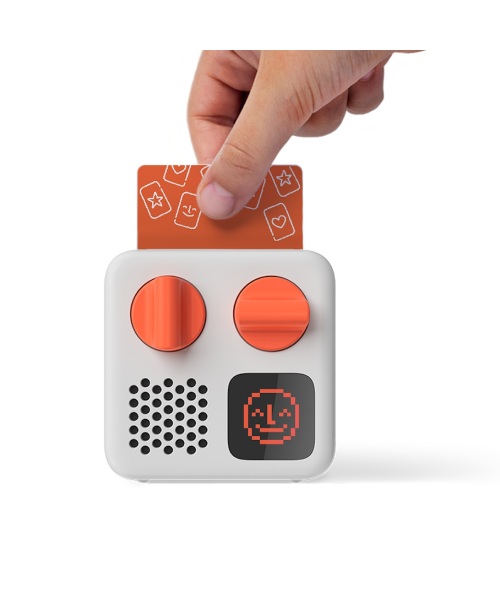
The Yoto Player is a screen-free audio player for children that uses physical cards — each card containing a specific piece of content (audiobook, podcast, music, activity, or sound effect collection) that plays when inserted into the player. Children control volume and play/pause themselves. They choose content by selecting from their physical card collection.
The physical card system is the design decision that makes Yoto work rather than simply being another children’s streaming device. The cards create the same intentional relationship between a physical object and a specific experience that older media formats created for previous generations. My children go to their card collection to choose what to listen to — they discuss which card to use, they organise their cards, they give cards as gifts to each other. This relationship with physical media is different and more intentional than scrolling through a streaming library.
Available at: Yoto (yotoplay.com), John Lewis, Amazon
Best for: Children aged 3–12, households looking for screen-free entertainment that children can control independently.
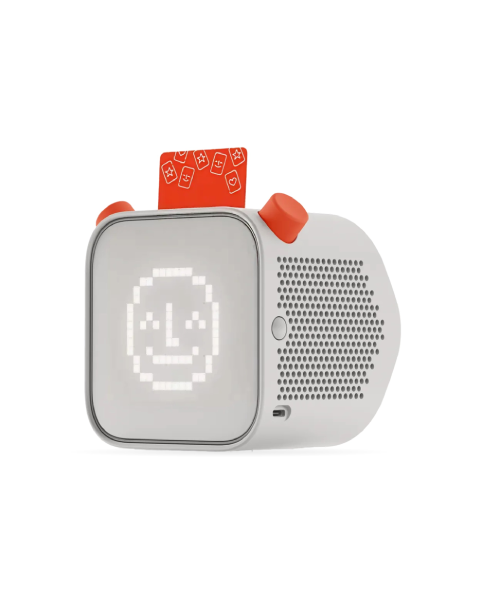
The third-generation player is the current version and the one worth buying — improved audio quality over the second generation, a revised pixel display on the front (the LED grid that visualises content for certain cards), and better Bluetooth for the Yoto headphones.
The audio quality is genuinely good for a children’s speaker. The sound is clear, the volume range is appropriate (a parent-settable maximum and a lockable range), and the bass is better than most portable speaker equivalents. Audiobooks are understandable and engaging at all volumes within the appropriate range.
The durability after two years of children’s use: the device has survived drops, a water spill from a knocked-over cup, and the general rough handling of children’s bedroom life without structural failure. One drop from approximately a metre produced a visible scratch on the corner and no functional damage. This is the appropriate outcome for children’s electronics.
The design is specifically right for children. The large side dials for volume control are accessible to small hands. The card slot is intuitive. The buttons are clearly labelled with symbols rather than text, which allows pre-readers to operate the device independently. Independence is the specific quality that most characterises the Yoto’s benefit — the child who can choose and control their audio entertainment without needing an adult intermediary is a less demanding child in the early mornings and the late evenings.
Available at: Yoto (yotoplay.com), John Lewis, Amazon
Best for: Travel with children, taking the Yoto experience on holiday without risking the main player.
The Yoto Mini is the portable version — smaller, with a built-in handle designed for children to carry, and using the same card system as the main player. The battery life of approximately 8 hours per charge is appropriate for travel days and holidays.
We travel with the Mini rather than the main player to avoid the specific anxiety of a primary-use device getting lost in luggage or damaged in transit. The card library travels in a small card wallet that fits in hand luggage easily. The Mini provides the same experience as the main player in a more travel-appropriate form factor.
The Yoto card catalogue is available through individual card purchases ($4–12 per card) and through the Yoto Plus subscription that provides access to a rotating additional library. The cards are NFC-encoded and specifically formatted for the Yoto player — generic NFC cards don’t work as content cards.
The cards most consistently valued in our household:
The sleep sounds card — white noise, rain sounds, and gentle music options for bedtime. This became part of the bedtime routine within the first week and has remained so for two years. The quality is above app alternatives and the physical card means children can choose their sleep sound independently without needing a phone or tablet in the room.
Roald Dahl audiobooks — the Dahl catalogue performed by quality voice actors is the content that our children have listened to most frequently. Charlie and the Chocolate Factory, The BFG, James and the Giant Peach — these are re-listened to regularly in the way that favourite books are re-read.
The Gruffalo series for younger children — the Julia Donaldson stories in audio format are appropriate for children from approximately three years old and consistently engage at the age level they’re designed for.
The Yoto Player is genuinely worth buying for households with children aged 3–12 who consume meaningful audio content and for parents who want screen-free independent entertainment that the children can manage themselves. The two-year daily use in our household validates the purchase in a way that first impressions don’t — a device that’s still being used enthusiastically after two years has earned its recommendation. The Mini is the recommended travel companion. And the sleep sounds card is the first card purchase to make alongside the device — it’s the card that most immediately changes daily family life.