

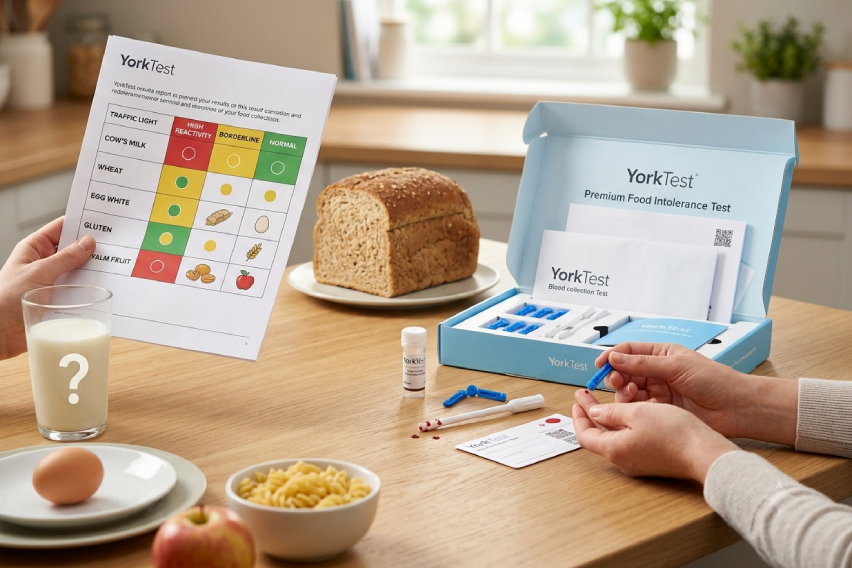
YorkTest’s most important honest framing comes from a registered dietitian’s independent assessment: “The York Test claims to diagnose food intolerances but the claims are not based on any scientific basis at all” — paired directly with a separate, specific, life-changing account from a buyer whose psoriasis “has been significantly reduced” since following the test results. Both statements are simultaneously true, and the gap between them explains almost every review this brand generates.
Best for: UK adults experiencing chronic, unexplained symptoms (digestive upset, skin issues, headaches, fatigue, bloating) who have already had their GP rule out serious underlying conditions, who understand the IgG methodology’s scientific limitations and treat results as a starting point for dietary experimentation rather than definitive diagnosis, and who take advantage of the included nutritional therapist consultation to properly contextualise their individual results.
Cross-referenced from Trustpilot’s UK collection (3,182 reviews), Trustpilot’s US collection (164 reviews), The IBS Dietitian’s independent assessment of the testing methodology, HonestGuideHub’s June 2026 balanced technical review, Fortune’s June 2026 independent assessment, CeliacTravel’s long-term user practical review, and The Reading Residence’s first-person test experience. No commercial relationship with YorkTest.
YorkTest Laboratories is a York, UK-based food intolerance and health testing company established in the early 1980s — over 42 years of operation with a claimed 1 million+ customers. The core product is the Premium Food Intolerance Test, which analyses IgG antibody responses to 200 food and drink ingredients from a home finger-prick blood sample. The company also offers a Junior test for children (ages 2-18), a Food Allergy test (IgE-based, separate methodology), and various health screening tests. Every Premium Food Intolerance Test includes a free 30-minute consultation with a qualified Nutritional Therapist to help interpret results.
This deserves upfront, direct, complete treatment because it’s foundational to understanding every positive and negative review this brand generates.
IgG food intolerance testing measures the level of IgG antibodies your immune system produces in response to food proteins. The British Dietetic Association’s formal position: “no convincing evidence supports this test, and it is not recommended as a diagnostic tool for food intolerances.” The specific scientific concern, explained by an IBS-specialist dietitian: “IgG antibodies often reflect food exposure history, not intolerance — if you eat a food regularly, your immune system naturally produces IgG antibodies against it. This means the test may flag foods you eat frequently without any symptoms, while missing foods that do cause problems.”
This explains the specific, documented complaints precisely: the customer whose results flagged high-reactivity foods they eat daily with zero issues, and the family-of-four whose results differed completely across four people. These aren’t necessarily evidence of testing incompetence — they may reflect an inherent limitation of using IgG antibody levels as an intolerance proxy.
The important counter-context: the IgE-based Food Allergy Test that YorkTest also offers is specifically noted by independent analysis as “more scientifically based” — using a different, more validated immune response measurement. The positive outcome accounts (psoriasis reduced, sinus issues resolved) may reflect a real benefit of the elimination diet that follows results, regardless of whether the specific foods identified by the IgG test were the true cause — the discipline of an elimination protocol can be genuinely useful even if the specific triggers identified are imperfect.
The positive accounts from YorkTest buyers are specific and health-impacting rather than vague satisfaction. A psoriasis account: “My psoriasis and other issues has been significantly reduced since I got my results back from York Test and followed a different diet. It was all very straightforward from beginning to end.” A sinus account: “Never knew I was intolerant to wheat and gluten and it has made such a difference to my health — no more sinus issues since removing these from my diet.” A milk intolerance account: “They tested 200 things and I have milk intolerance. So I stopped milk and no problems now.” The specificity of these accounts — named symptoms, named dietary changes, named outcomes — makes them genuinely credible positive evidence of real-world utility for some buyers.
The contradictory account is equally specific and deserves equal, direct treatment. A family-of-four test finds “completely different results” across all four members, with flagged foods “we rarely or haven’t eaten in years.” A £225 buyer finds results showing high reactivity to foods she eats “daily with no issues,” while foods that “genuinely upset my stomach showed little or no reaction.” The NHS comparison account — a customer specifically noting that NHS tests conducted 5 weeks after their YorkTest produced “a complete difference in results” — is a particularly credible counter-account because it provides an external, medically-administered reference standard rather than just personal intuition.
This deserves specific mention as a differentiating feature that directly addresses the most common source of disappointment — confusing or unclear results. A specific account: “Courtney was able to support you throughout the process and help you better understand your results.” The CeliacTravel reviewer’s practical guidance, coming from personal experience, is genuinely useful: “I excluded only the most extreme reaction foods at first and got a good result. If I had not, I may have moved onto excluding the low reaction foods.” The nutritional therapist consultation provides exactly this kind of intelligent, nuanced result-interpretation that the raw test report alone may not communicate.
The brand responds to negative Trustpilot reviews specifically and by name, with detailed responses that engage with the specific complaint. At least one documented follow-up failure — a promised callback that never happened — is worth noting given the premium price point and the naturally confusing nature of results that require explanation.
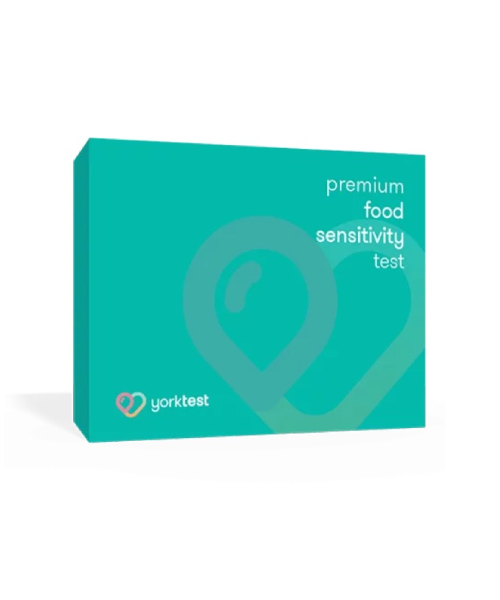
Best for: Adults with chronic, unexplained digestive, skin, or fatigue symptoms who’ve already had serious underlying conditions ruled out by their GP, and who understand the IgG methodology’s limitations.
One Honest Drawback: IgG testing is not scientifically validated as a diagnostic tool per the British Dietetic Association — treat results as a structured starting point for dietary experimentation, not definitive diagnosis.
Verdict: Most valuable when combined with the included nutritional therapist consultation and approached as a guided elimination diet framework rather than a definitive medical test.
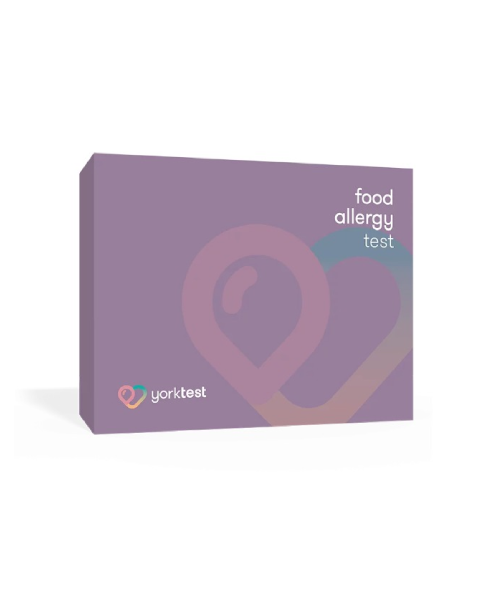
Best for: Buyers specifically wanting the more scientifically validated testing option.
One Honest Drawback: Tests a narrower range of specific allergens rather than 200 foods.
Verdict: If scientific validity is the primary concern, this product carries stronger methodological backing than the premium intolerance test.
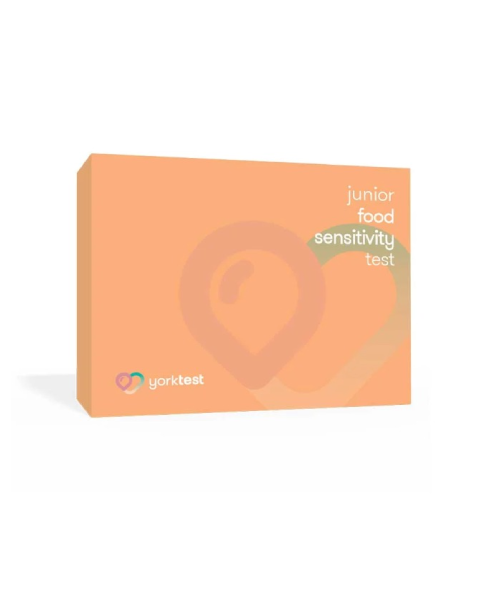
Best for: Parents specifically wanting to investigate potential food triggers for unexplained symptoms in children.
One Honest Drawback: The same scientific limitation of IgG testing applies equally to children’s results — use as a structured elimination diet guide under a nutritional professional’s guidance, not as a standalone diagnosis.
Verdict: A reasonable structured investigation tool with appropriate professional support, rather than a definitive answer.
Real accounts paraphrased:
For adults with chronic, unexplained symptoms who’ve ruled out serious conditions and want a structured, guided framework for dietary elimination experimentation: yes, reasonably — the real, specific positive outcome accounts and the included nutritional therapist consultation both support this.
For buyers expecting scientifically validated, medically reliable diagnostic accuracy: the British Dietetic Association’s formal position and the specific contradictory-results accounts both suggest significant caution — this is not a replacement for NHS or GP-supervised allergy testing.
For buyers considering the allergy test specifically: the IgE-based methodology carries stronger scientific validation and is a better fit for buyers where medical accuracy is the primary concern.
yorktest.com (UK) and yorktest.com/us (US) — direct, with frequent promotions reducing the standard £225 price. Consult your GP before making any significant dietary changes based on results.
The IgG food intolerance test is not validated as a diagnostic tool per the British Dietetic Association. The IgE allergy test uses a more scientifically established methodology.
Approximately 2-7 days from sample receipt at the lab, depending on current volume.
Yes — a free 30-minute consultation with a qualified Nutritional Therapist is included with the Premium Food Intolerance Test.
No — at least one specific, documented comparison found YorkTest results differing substantially from NHS tests conducted 5 weeks later.
YorkTest operates in a genuinely contested scientific space — real, specific, life-changing positive outcomes exist alongside equally real, specific, contradictory-result complaints, and both reflect genuine experiences with an IgG testing methodology whose scientific validity remains disputed by mainstream dietetic bodies. The included nutritional therapist consultation and the structured approach to elimination dieting add genuine value regardless of the underlying test methodology’s limitations.
Approach it as a guided dietary experimentation tool with professional interpretation support, not as a medically authoritative diagnostic instrument.
Category | Score |
Test Experience & Logistics | 8.5 / 10 |
Result Accuracy (individual accounts) | 5.5 / 10 |
Scientific Methodology Validation | 4 / 10 |
Nutritional Support Included | 8.5 / 10 |
Customer Service | 7 / 10 |
Value for Money | 6.5 / 10 |
Overall | 6.8 / 10 |