


A normal scale can be frustrating. You step on it, see a number, and instantly decide whether your week went well or badly. But that number does not explain what is really happening.
Maybe you lost fat but gained muscle. Maybe your body is holding water. Maybe your weight is stable, but your habits are improving. That is the problem Hume Health is trying to solve.
Instead of focusing only on weight, Hume Health gives users a more detailed view of body composition, recovery, activity, and daily wellness patterns. Its main products include the Hume Pod, Hume Band, Hume Health App, and optional premium coaching features.
This Hume Health review takes a fresh look at the brand, how its devices work, who they are best for, what customers seem to like, and where the experience may fall short.
This review looks at Hume Health the way a real buyer would: what it does, how practical it feels, where the claims need context, and whether it is worth paying more than a basic smart scale. The main testing criteria include ease of use, health-tracking usefulness, app experience, consistency, customer sentiment, accuracy expectations, and overall value.
Hume Health is a smart wellness brand built for people who want a deeper look at what is happening inside their body. Instead of only measuring pounds or kilograms, Hume’s system is designed to show body composition changes and daily health trends.
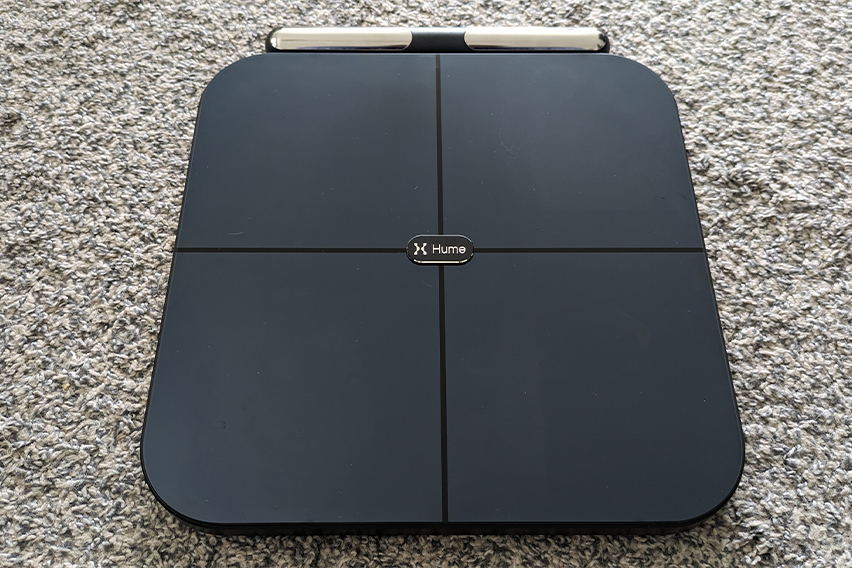
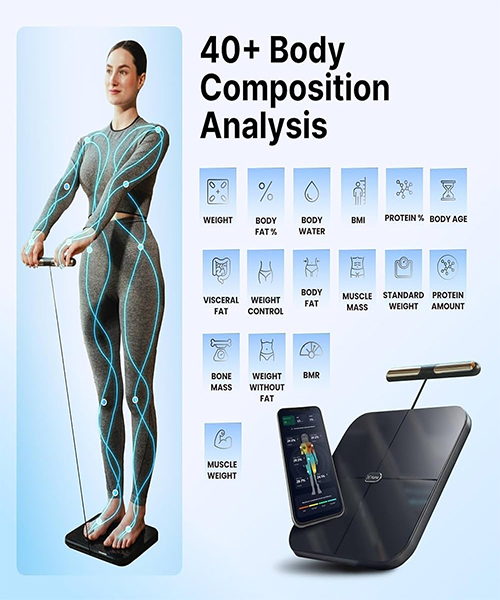
The brand’s main product is the Hume Pod, a smart body composition scale that uses both foot and hand contact points. This gives it a more complete feel than many budget smart scales that only measure through the feet.
Hume also offers the Hume Band, a wearable made for tracking recovery, sleep, heart rate, HRV, oxygen levels, activity, strain, and other wellness markers. Together, the Pod and Band create a more complete picture of your daily health.
Hume Health is mainly for people who want to understand:
It is not really made for someone who wants a basic bathroom scale with no app. Hume is for people who like data and want more feedback from their routine.
The main promise behind Hume Health is simple: weight alone is not enough.
That is true. A basic scale can tell you that you weigh 170 pounds, but it cannot explain whether your fitness plan is working, whether your body fat is changing, or whether your muscle mass is holding steady.
Hume tries to give users more context. That is where it becomes useful.
The Hume Pod looks more advanced than a standard smart scale because of its handlebar sensor. This design gives it a more serious wellness-device feel, closer to what you might see in a gym, clinic, or fitness studio.
The scale itself is designed for quick daily or weekly check-ins. You step on it barefoot, hold the handles, let the scan complete, and then review the results in the app.
The biggest benefit of this setup is that it feels intentional. You are not just checking your weight. You are checking your progress.
The Hume Pod is designed to track a wide range of body measurements. The most useful ones for everyday users are:
For most people, the standout metrics are body fat, muscle mass, and visceral fat. These are the numbers that can add meaning to your weight.
For example, someone losing weight quickly may feel successful, but if the device suggests muscle is dropping too, that is a sign to adjust protein intake or strength training. On the other hand, if weight stays steady but fat trends down and muscle trends up, that is progress a normal scale would hide.
The Hume Pod works best when it becomes part of a routine. You do not need to use it ten times a day. In fact, that may make the data more confusing.
A better approach is to use it consistently at the same time, preferably in the morning. That gives the readings a fairer comparison.
The experience is simple enough:
The key word is “trend.” One reading can be affected by hydration, food, exercise, sodium, or sleep. A pattern over several weeks is much more useful.
This is the part buyers should understand before ordering.
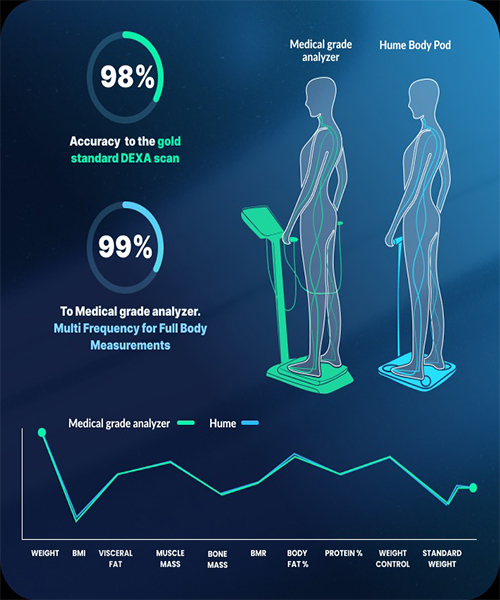
Smart body composition scales are helpful, but they are not perfect. Hume may provide more detail than a regular scale, but it still uses consumer body-composition technology. That means results can shift depending on your body state.
A reading may change after:
That does not make the device useless. It just means you should not treat every reading like a final medical result.
Hume Health is best used for direction. Are things improving? Are you building muscle? Is body fat trending down? Is visceral fat moving in the right direction?
Those are better questions than “Is this number perfect today?”
The Hume Health App is where the data becomes easier to understand. A smart scale without a good app is just a digital scale with extra numbers. The app is what helps turn those numbers into progress tracking.
The app can help users view body composition changes, follow trends, and understand whether their health habits are moving in the right direction. Hume also offers premium app features for people who want more coaching-style feedback.
For some people, that will be motivating. For others, it may feel like too much. If you already feel overwhelmed by health data, daily charts and metrics may not be ideal.
One of the more interesting parts of Hume Health is that it is not only trying to show numbers. The brand also wants to guide users with nudges, insights, and premium coaching-style recommendations.
That can be helpful if you do not know what to do with body composition data. Knowing your body fat percentage is one thing. Knowing how to adjust your habits is another.
The coaching angle makes Hume feel more like a wellness system than a scale. But whether that is worth paying extra for depends on the user. Some people will enjoy the guidance. Others may prefer to interpret the data themselves.
The best thing about Hume Health is that it makes progress feel more layered. You do not have to rely on weight alone.
That matters because weight can be emotionally misleading. A person can make great progress and still feel discouraged because the scale barely moves. Hume gives more context, which can help people stay consistent.
I also like the hand-and-foot sensor setup. It gives the Body Pod a more complete feel than cheaper smart scales.
The Hume Band is another useful part of the ecosystem because it adds sleep and recovery data. Body composition is important, but recovery also affects results. If you are sleeping badly or overtraining, the scale alone will not tell the full story.
The biggest concern is that Hume Health may create high expectations. When a brand offers lots of health data, people naturally expect clinical-level precision. But at-home smart devices should not be treated like medical testing.
Another issue is that the experience depends heavily on the app. If syncing works smoothly, the product feels smart and useful. If syncing is buggy, it can feel frustrating quickly.
The price is also worth thinking about. Hume Health is not the cheapest way to track weight. You are paying for deeper metrics, the app experience, and the broader wellness ecosystem.
Hume Health makes the most sense for people who will actually use the data.
It is a good value if you:
It is not as good a value if you:
The product is not for everyone, but it can be useful for the right user.
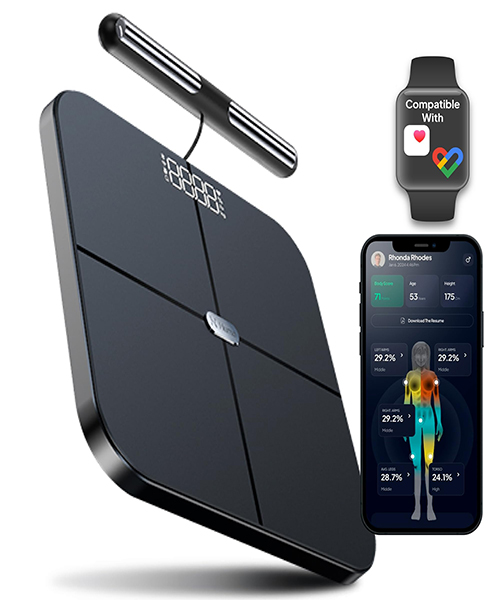
Who it’s best for: Best for people who want a more detailed body composition scan at home.
Top 3 key features:
One honest drawback: Daily readings can vary if your hydration, food intake, or routine changes.
Mini verdict: The Hume Pod is the strongest product in the lineup and the best place to start.
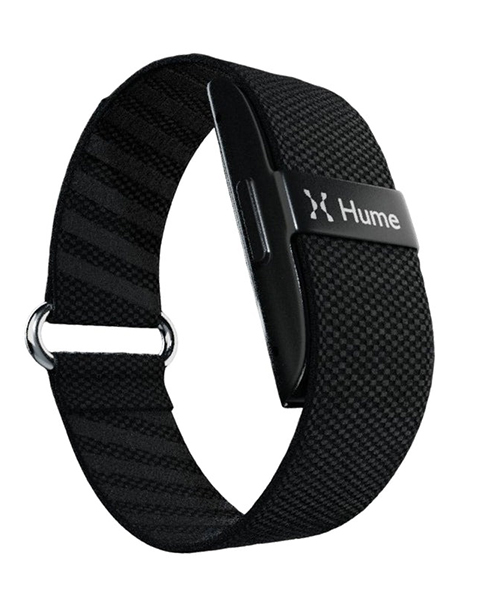
Who it’s best for: Best for users who want daily wellness tracking beyond body composition.
Top 3 key features:
One honest drawback: It may overlap with other wearables like Apple Watch, Garmin, WHOOP, or Oura.
Mini verdict: The Hume Band is useful if you want recovery and sleep data alongside scale data.
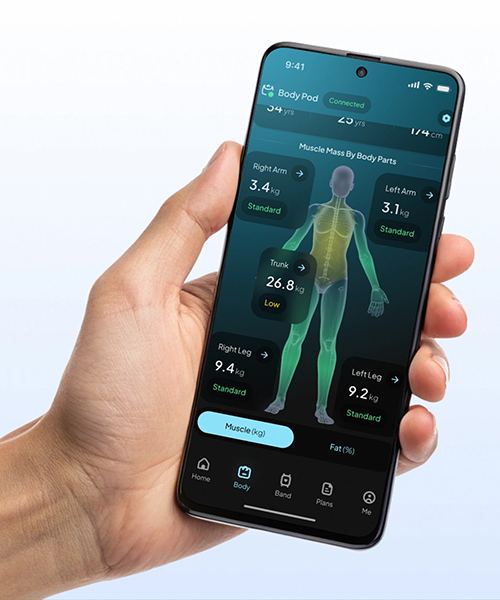
Who it’s best for: Best for people who want visual progress tracking and simple health trends.
Top 3 key features:
One honest drawback: The product experience depends heavily on app stability and syncing.
Mini verdict: The app is what makes Hume feel like a complete system, not just a smart scale.
Who it’s best for: Best for people who want extra guidance instead of only raw numbers.
Top 3 key features:
One honest drawback: Some users may not want to pay for premium app features.
Mini verdict: Premium insights may be helpful for users who want coaching, but casual users may not need them.
Who it’s best for: Best for people who want body composition and wearable tracking together.
Top 3 key features:
One honest drawback: More data can become overwhelming if you prefer simple tracking.
Mini verdict: The full Hume ecosystem is best for serious self-trackers who enjoy health data.
Customer opinions on Hume Health are not all the same. Some users like the deeper tracking and say it helps them stay motivated. Others mention frustration with app performance, support, or readings that do not match other devices.
The positive feedback usually focuses on:
The negative feedback usually focuses on:
Paraphrased customer-style examples:
The overall takeaway is simple: Hume Health works best for people who understand smart health devices. If you expect useful trend data, it can be valuable. If you expect perfect clinical numbers, it may disappoint you.
Yes, Hume Health appears to be a legitimate smart health brand with real devices, an app, customer policies, and an active product ecosystem.
The more important question is not only “Is Hume Health legit?” but also “Is it the right kind of product for me?”
It is legit as a consumer wellness tool. It can help track body composition and health patterns from home. But it should not be used as a replacement for medical advice, lab testing, DEXA scans, or professional diagnosis.
Before buying, it is smart to check:
So yes, Hume Health is legit, but realistic expectations matter.
Hume Health is worth considering if you want more than a number on a scale.
It makes sense for:
It may not be right for:
For committed health trackers, Hume can be useful. For casual users, it may be more advanced than necessary.
Renpho is one of the most popular budget smart scale brands. It is affordable, easy to find, and simple to use. Hume Health, on the other hand, feels more premium and more focused on deeper body composition and wellness tracking.
Feature | Hume Health | Renpho | Winner |
Main focus | Body composition and wellness insights | Affordable smart scale tracking | Depends |
Handlebar design | Yes, Hume Pod | Usually no on standard models | Hume Health |
App experience | More health-insight focused | Simple and beginner-friendly | Tie |
Wearable option | Hume Band | Limited compared with Hume ecosystem | Hume Health |
Price | Higher | More budget-friendly | Renpho |
Best for | Serious tracking and body composition | Basic smart scale users | Depends |
Overall value | Strong for data-focused users | Strong for budget users | Tie |
Choose Hume Health if you want a more advanced tracking setup with body composition and wearable data.
Choose Renpho if you want a cheaper smart scale for basic weight and body metrics.
Hume Health often promotes sale pricing, limited-time offers, bundles, and possible payment plan options. Because the devices are more expensive than basic scales, it is worth checking the final price carefully before ordering.
Ways to save include:
The best deal is not always the cheapest checkout price. It is the setup you will actually use consistently.
The best place to buy Hume Health is through the official Hume Health store. That is where you can find the latest Hume Pod, Hume Band, app details, warranty options, return information, and current promotions.
You may also find Hume products through select online marketplaces, but buying directly may make support and returns easier to manage.
Hume Health is a smart wellness brand that sells body composition and health-tracking devices, including the Hume Pod smart scale and Hume Band wearable.
The Hume Pod tracks weight, body fat, muscle mass, visceral fat, hydration, metabolic age, and other body composition metrics.
Yes, Hume Health appears to be a legitimate brand with real products and an app-based health ecosystem. Still, it should be treated as a wellness tracker, not a medical diagnostic tool.
Hume can be useful for tracking trends, but results can vary based on hydration, timing, meals, exercise, and other factors. It is better for long-term patterns than perfect daily readings.
Basic features are generally available without premium access, but deeper insights and coaching-style features may require a paid membership.
Yes, it can be helpful because it shows more than weight. It can help users see whether they are losing fat, maintaining muscle, or dealing with water-weight changes.
Yes, the Hume Pod estimates muscle mass, which can be useful for people who strength train or want to improve body composition.
No, the Hume Band is not necessary to use the Hume Pod. It is useful if you also want sleep, recovery, activity, HRV, and strain tracking.
No. Hume Health is a consumer wellness tool. It should not replace medical advice, lab work, DEXA scans, or professional health evaluation.
It is best for fitness-focused users, body recomposition tracking, weight-loss journeys, and people who enjoy using health data to guide habits.
The biggest downside is that smart scale readings are estimates. Some users may also experience app or syncing frustrations.
Withings
Best for users who want a more established smart scale ecosystem with health-focused features.
Renpho
Best for budget shoppers who want simple smart scale tracking without a premium price.
InBody
Best for people who want more serious body composition testing, often used in gyms and wellness clinics.
Garmin
Best for users already tracking workouts, recovery, and health through Garmin watches.
Eufy
Best for affordable smart scales and easy home health tracking.
Hume Health is a strong option for people who want to understand their body beyond weight. The Hume Pod gives more context than a normal scale, while the Hume Band adds recovery and sleep tracking for users who want a fuller wellness picture.
The best thing about Hume is motivation. It can help you see progress that a regular scale might hide, especially if you are building muscle, losing fat, or improving habits slowly over time.
The main downside is expectation. Hume Health is not a medical device, and its readings should be used as estimates. The app experience also matters a lot, so syncing issues can affect how much you enjoy the product.
Overall, Hume Health is best for people who enjoy data, track fitness goals seriously, and want a more detailed way to follow progress from home.
Final Rating: 8.0/10